The idea of sustainable coastal tourism is not so much as making a list of every beach to visit but to travel in a manner that is protective of the coastline, amenable to local people and does not trouble the wildlife. These days the more rewarding trips are those where you have put some thought into your transport, made a longer stay of it, engaged in activities with an eye for conservation and put your money in the pockets of local enterprises.
I am Lyra Fenwick and I can tell you from experience how fast a day at the coast can be ruined. You are looking at a rock pool and then you are poring over tide times with a dead phone and questioning if there is any mark to the track back. In this guide I will be dealing with the sort of practicalities that get travellers into difficulty – safety, costs, access, seasons and lower-impact options for Australian beaches and towns.
What one makes of sustainable travel

It is about curbing the damage done to the environment and putting something back into the coastal community or its conservation work. Do not mistake it for travelling without flaw; it is a matter of better choices time and again in everything from your mode of arrival to your sleeping arrangements.
Travellers might opt to put in a day in one region rather than put five behind them. They will observe the rules of the national park and give wildlife the space it is due, and be fine with visitor limits being in place. This reflects slow coastal exploration trends. It is a slower way to do things and perhaps less frantic, which is no bad thing when otherwise your holiday has all the makings of a military exercise with a cooler bag in tow.
Reality and expectation
You would think an eco-conscious holiday calls for some luxury, pricey gear or a stoic approach to composting toilets. In fact it is quite unremarkable: you make use of refill stations and accredited operators, take your rubbish with you and do not drive around for nothing.
Then there is the matter of the “green” destination, of which there is no such thing as a rule. A remote beach may be free of buildings but get you to put in a lot of fuel on poor roads. A town with good public transport and food on tap and strong initiatives for visitors can in some cases be easier on the environment.
An explanation of ocean priorities in Australia
In 2026 the talk of sustainability along the coast goes hand in hand with ocean management, marine protection and biodiversity. The Sustainable Ocean Plan is a good way to view the nexus of responsible access, thriving communities and the health of the sea.
And there is a message in the Green is Our Gold and the Green and Gold Promise: what is on offer in Australia is of value, not just an inexhaustible set piece for your photos. Tourism Australia will do its job of promoting the country but the onus is on the traveller and the operator and the community to see how that is handled.
How the framework applies to you
Put simply these national priorities are actions for the visitor. Heed the signs (they are not there to be creative), do not feed the animals or put hands on coral and abide by the zones in a marine park.
There are different conditions, fees and permits to be had in the parks, so before you leave look into what is current, especially regarding fire restrictions, fishing, boating and Aboriginal land. For a sense of your responsibilities in protected areas the information from Parks Australia is worth consulting.
Regions for a low-impact visit

One size does not fit all when it comes to the coast in Australia. Some places are fine for a car-free weekend, others demand a vehicle with some mettle and enough in the tank to keep a road train from losing patience. It is a question of budget, fitness and whether you are happy with basic facilities.
The following table is a broad comparison of what is on offer, not an infallible itinerary. Take the distances as a planning guide at best; tides, weather and roadworks will have their say.
| Region Or Base | Good For | Practical Access | Cost (per person/day) | What to watch |
|---|---|---|---|---|
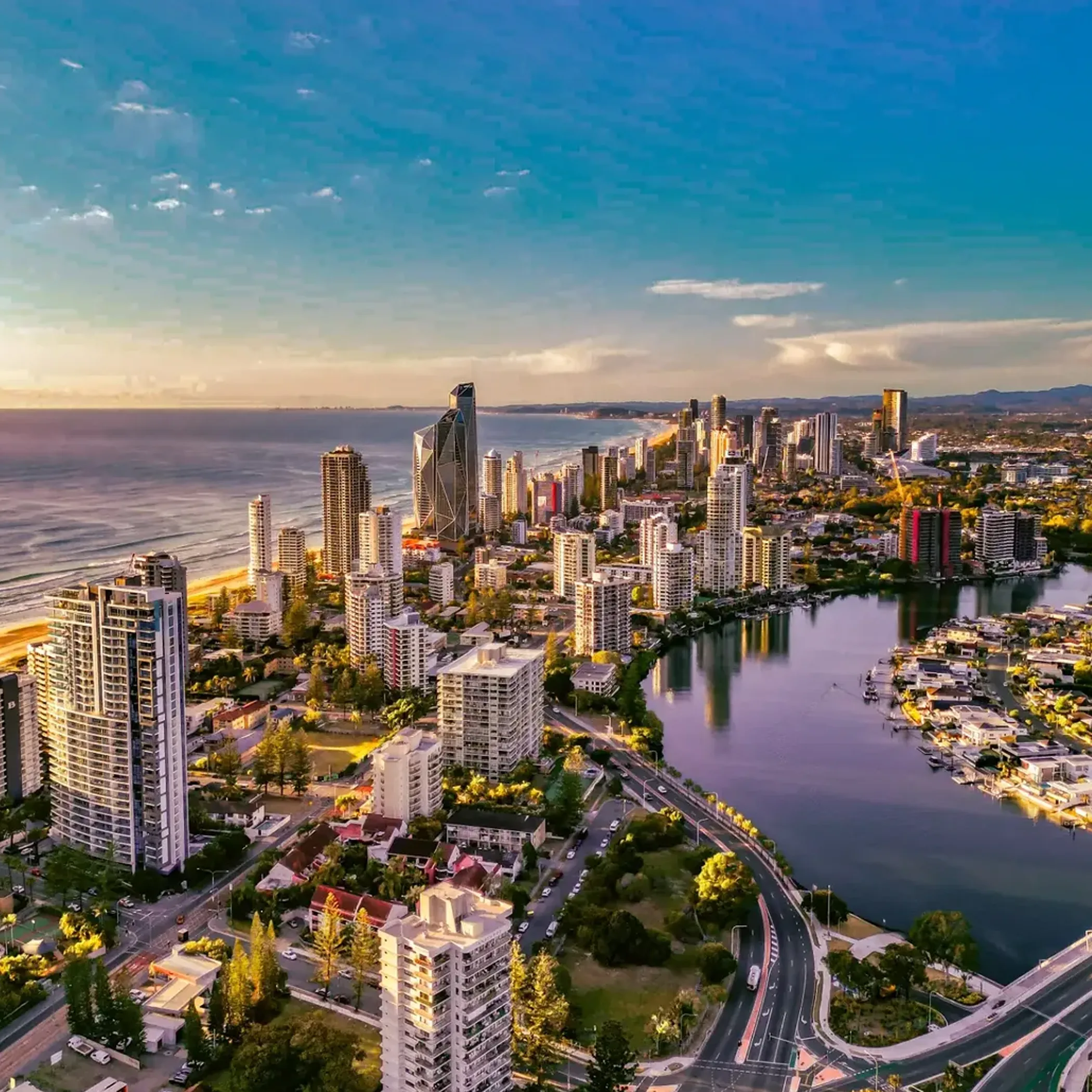
| Gold Coast Hinterland And Coast | Longer stays, short walks and public transport | In by plane or train, out by bus or tram | AUD 150–350 | Crowds and traffic on peak weekends |
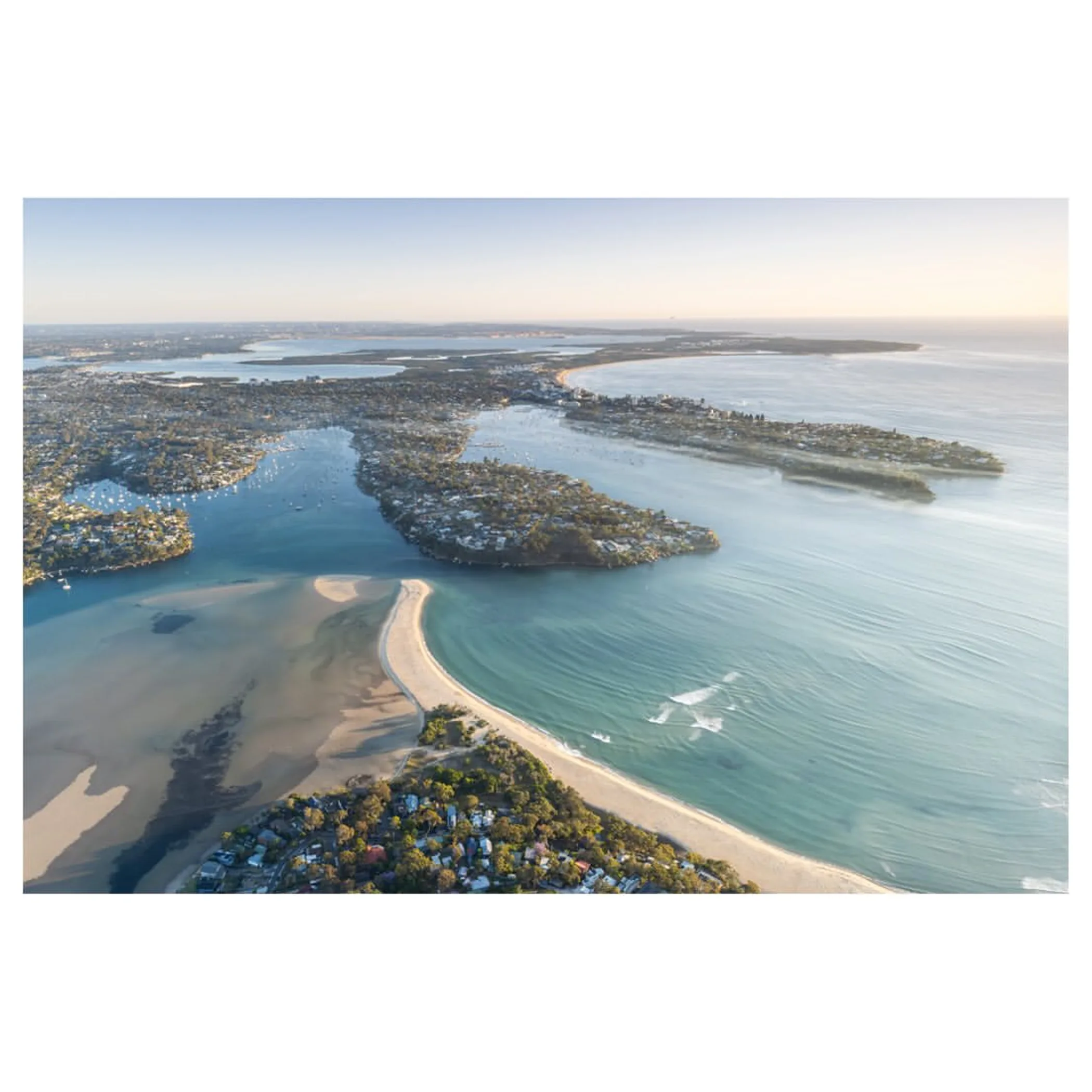
| Bate Bay, N.S.W. | Local food, swimming and urban walks | From Sydney on public transport, then on foot | AUD 100–250 | Parking is scarce; large swells and rock platforms |
| Great Ocean Road, Vic. | National parks, small towns and scenery | Drive with care or book a small tour; do not trust the mapping app for time | AUD 180–400 | Wildlife on the road, congestion and summer fire closures |
| Top End Coast, N.T. | Guided culture and wetland wildlife | Make Darwin or a park gateway your base; enquire on wet season access | AUD 220–500 | Heat, crocs, cyclones and seasonal road work |
| Kimberley Coast, W.A. | Remote landscapes and marine conservation of the small-group variety | A four-wheel-drive expedition well in hand or a guided one | AUD 400–1,200 | The Gibb River Road, fuel, tides and isolation |
A word on choosing your region
If it is to be a day trip, find a compact base from which you can walk to a few activities, a toilet and a refill point, with public transport at hand. For a day on the coast with an urban feel and not too much time in the car, Bate Bay is a good fit. On the Gold Coast one can make do with some short walks and public transport.
Then there is the Top End and Kimberley, which are no place for an unprepared beginner of a casual disposition when the seasons turn difficult. The wet season has a way of closing off access in the north, and cyclone warnings are to be expected from November to April. Out in Western Australia a rain will put the bite back into remote tracks and you may find recovery services at some distance.
Wildlife And Marine Life: A Matter Of Protection
There is value in marine conservation tourism if it puts money behind protection and puts local guides to work, affording the visitor some insight into biodiversity. But it is irresponsible to have an operator put the squeeze on animals with his boat or to let wildlife encounters degenerate into a petting zoo.
Make sure any experience you book has put its wildlife rules in front of you before you set out. A guide worth his salt will cover matters of noise and distance, the state of the water and weather, and what to do should the animal fail to show. No refund policy is going to put a stressed seal at ease; nature is not a vending machine.
Encounters With Wildlife
Respect your distance from penguins, seals, turtles and other marine mammals. There is to be no feeding or chasing them. Mind your step on the rocks where eggs and crabs go unnoticed by those intent on the perfect photo.
Before you make for the headlands or rock pools, have a look at the tides. What was a comfortable route at low tide can be unsafe in a hurry. Put on some grip in your footwear and take along water. If mobile coverage is patchy, let someone know when you plan to be back.
Be Direct In Your Support Of Coastal Communities
The best of community-led tourism in Australia is where locals have a fair say and are paid as such for the use of their places. You will keep more of your money in the destination by patronising the regional accommodation, independent cafés and Aboriginal-owned operators.
Find out who is running the show and where the fees are going. Cultural tourism is not about putting living traditions on for entertainment. Do not put a camera up to people or a ceremony without being asked.
Put Some Purpose Into Your Spending
Rather than moving hotels daily, put down for a few nights at a locally owned place. Leave the shells and rocks on the beach and purchase something from a local maker. A reusable bottle is fine but be aware the refilling facilities in a remote bush area are not like those in the city.
In a small town the staff may be hard pressed at peak times with little to spare. Be a responsible tourist and book in advance, be there on time and cancel with alacrity if things change. It is better than finding yourself wanting beside a locked café and making do with a muesli bar.
A Slower Way To Travel The Coast
Some prefer the trend of slow exploration to get to know a place without all the fuel burning between lookouts. One might pick a coastal town and put in three or four nights from which to walk, cycle or make a single well thought out day trip.
I made the mistake of underestimating the time weather and odd stops would take on my first forays into longer regional drives. Do not be fooled by the kilometre marker into thinking the road is quick, with school zones and roadworks to contend with and a child after snacks every eleven minutes.
Allow For Tides And Weather
Have an outdoor activity in mind for early in the day and a back up that does not mind the weather. Summer means checking for park closures and bushfire alerts. In the Top End and the west of WA one should be familiar with the seasonal patterns, not some generic calendar.
On a coastal walk you will want to factor in parking, the toilet, slower company and the tide. Should a low-tide crossing be part of the return, the tide table is a safety matter.
Low-Impact Checklist
- Stay several nights at a base if you can.
- Where possible, make use of shared transfers, a bicycle or public transport.
- One should be in the habit of consulting park alerts, tide and weather warnings, access permits and the like.
- Have on hand a charged phone, water, some food, sun protection and bags for rubbish.
- Leave wildlife to its own devices and put shells, rocks, plants or any cultural objects back as you find them.
- When making arrangements with local operators, enquire as to their ecotourism accreditation or conservation credentials.
Better Operators And Stays

An ecotourism accreditation is not some kind of magic stamp to render an activity without impact, but it does provide more substance than a green leaf adorning a hotel logo. It allows the traveller to tell which operators have been put through their paces on environmental and business grounds.
See what is said about energy use, waste, wildlife rules, how they employ locally and their conservation efforts. A responsible operator will have no trouble fielding a practical question. Should a website touting “untouched” locales be reticent on the subject of group sizes or access, press for an answer.
In The Way Of Accommodation
Opt for places that are upfront in their claims and have sensible linen policies, refill stations and good heating and cooling efficiency. Think also of location: a room of modest proportions close to public transport will make less of an impression than a grander property where one has to put miles on the car each day.
Prices are very much a matter of region. You might find budget rooms in a coastal city from AUD 80 to 150 a night, whereas a remote guided stay could run several hundred per person and day. Consider these broad figures for your planning and verify the rate before you book, do not take them as set 2026 prices.
Beaches Deserve Protection
For the most part, being a responsible visitor to an Australian beach is simply a case of consistent, unremarkable conduct. Stick to the path, let the dogs abide by local regulations and if the bins are at capacity, bring your rubbish in. Driving on dunes is out unless you have express permission.
A beach may look clean but that is no guarantee it is free of impact; there is camouflaged nesting birds and the odd bit of plastic to endanger marine life, not to mention the fragility of the dunes. Put down well-intentioned footprints in restricted areas and you will still cause damage. If there is a properly run clean-up or visitor initiative, get involved.
Coastal Do’s And Don’ts
- Do make sure you have checked the tides, official alerts and park conditions.
- Do take out all that you have brought in, wet wipes and food scraps included.
- Do refrain from standing on seagrass or coral and adopt low-waste ways.
- Don’t put yourself in unfamiliar waters alone or pay no heed to a patrol.
- Don’t hassle animals for a photo or make off with natural materials.
- Don’t tread on Aboriginal or other culturally important ground without permission.
Some Coastal Questions Asked Often

Before putting together a holiday with less of an impact in Australia, these are the sort of things a traveller will want to know. In short, be practical, give the coast a little more attention and put your money locally.
Sustainable Tourism
In Australia this means travel that is supportive of the community and culture while safeguarding biodiversity and limiting environmental harm. By the coast it is a question of heeding the rules of national and marine parks, managing waste and having the right kind of wildlife experience.
Suitable Destinations
Where there is managed access and walking routes to be had, it is easier to be sustainable. The Gold Coast or Bate Bay will accommodate different budgets, as will the gateways to some national parks; the Top End or Kimberley call for a bit more forethought.
The Sustainable Ocean Plan
Here it is a way of bringing together the interests of the community with ocean and marine management. One can be part of that by respecting protected zones and going with a responsible operator.
What Is In It For The Locals?
Fair remuneration for their time and resources, stronger small businesses and cultural tourism are among the benefits. They are better served when the community has a say in how tourism is conducted.
Tourism Australia 2026
The 2026 context has Tourism Australia putting forward sustainability under the Green is Our Gold and Green and Gold Promise. But do not suppose every experience they put forward is of equal environmental merit, check for yourself.
Plan For The Coast
There is nothing pretentious about 2026’s sustainable tourism in Australia’s coastal regions, it is often gloriously unglamorous. It is accepting a slower pace, a guide worth paying for and the wisdom to forgo a mozzie-ridden track. Check the tides and put your rubbish in your bag.
Pick a place with care and let your expenditure go to those who live there. It is good for the communities and the marine life and puts you in the position to see what the hurried type overlooks, from the changing light and a good local bakery to the early walk and a beach you have left in order.