Regulations for cosmetic tattooing in 2026 are not uniform; they will be determined by the state, territory or local council. One does not get a national licence that entitles an artist to practice in any part of the country. Operators have to put in place council registration, make sure their premises are approved, secure business registration and insurance, undertake infection-control training and adhere to the public health laws of the state.
In this guide I set out how things stand in practical terms in Australia’s two territories and six states. Having spent years with beauty retail and small-business marketing, I can tell you the more glamorous side is seldom the hard part. It is the council conversations, the cleaning systems and the paperwork where one is likely to be tripped up. A well appointed treatment room is all very well but it does not take the place of legal sanction. I am Lyra Fenwick.
National Rules To Be Aware Of
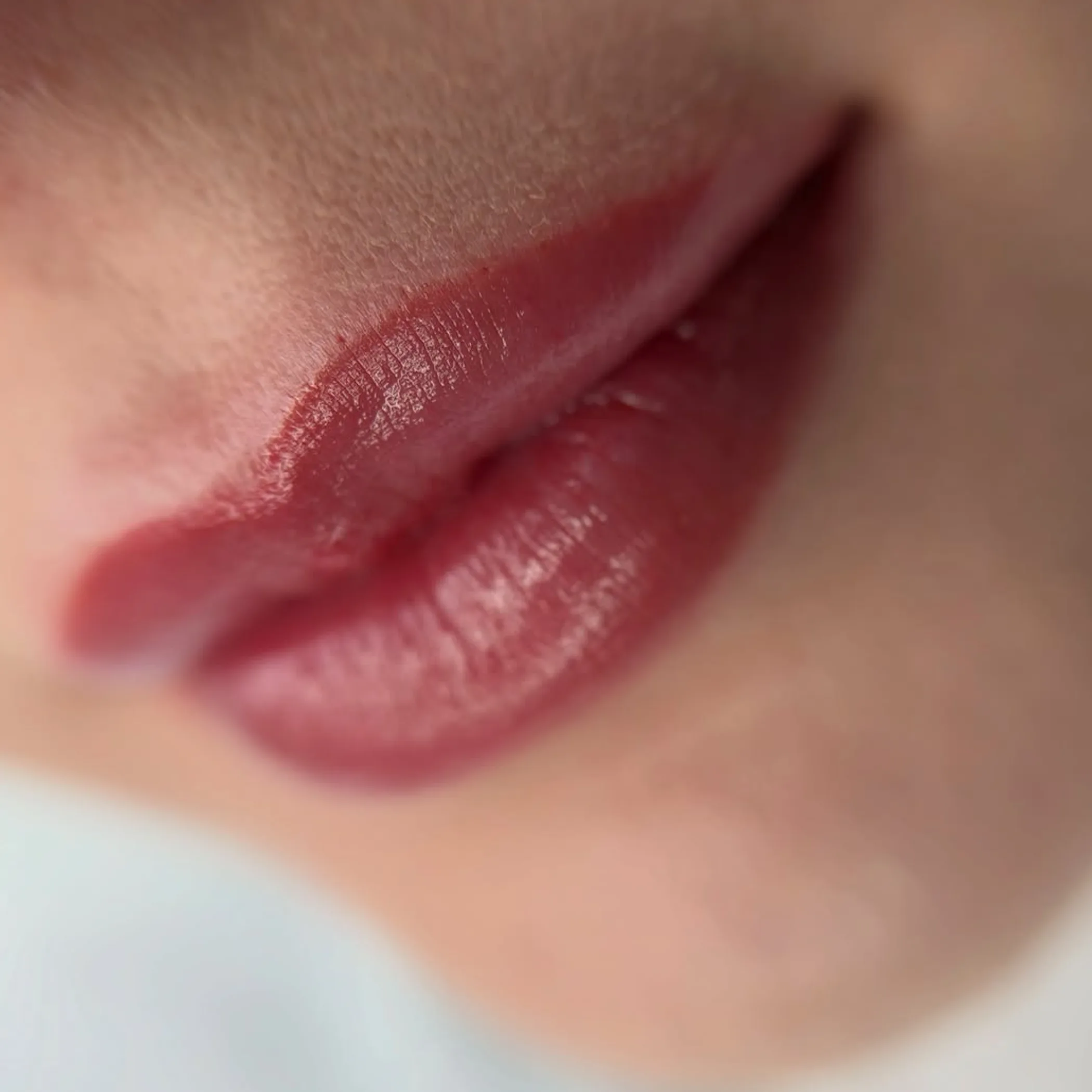
Permanent makeup, microblading and cosmetic tattooing are forms of skin penetration and as such are classed as personal appearance services, though the precise legal definition is a matter for the jurisdiction and the procedure at hand. Separate guidance covers lip blush healing expectations.
With eight jurisdictions in Australia and local councils who can add their own conditions to a business or its premises, an artist might comply with state public health only to find he or she requires the go ahead from the council to put a studio in place.
National Responsibilities For Artists
An artist with any sense will regard each procedure as a controlled service when it comes to skin penetration. This means proper client assessment, making the risks known, no cross-contamination, the use of sterile single-use equipment, safe disposal of waste and keeping records of products.
Then there is the question of inks for PMU and tattooing. The Australian Industrial Chemicals Introduction Scheme (AICIS) has oversight of industrial chemicals so there are obligations for those introducing or importing them. The AICIS website is where to start if one wants to check on chemical duties.
Do not be under the impression that an ink available online is necessarily fit for purpose or even lawful here. Retain the safety docs, ingredient lists and batch numbers from your supplier. Should there be a recall or a client has an adverse reaction, traceability is important.
Compliance in New South Wales
Treat cosmetic tattooing in NSW as a skin penetration activity and give due consideration to public health and the council. What is required will be down to the area, the premises and what is being done.
When you ring the local council prior to trading, do not just say you are offering “beauty treatments” and expect them to understand you will be doing lip blush, microblading or eyeliner tattooing. Put it in plain language and list the procedures.
What to check in NSW
Find out if the premises need registering or are in order with the local planning rules, and what the hygiene standards are. If the studio is home based there are zoning and access issues to think about as well as neighbours and waste.
Have an infection-control procedure in writing that deals with everything from hand and surface hygiene to instrument handling, sterilisation and the disposal of sharps. When the council comes to inspect it is much preferable to be able to walk them through the process rather than wave at a bottle of disinfectant.
Victoria
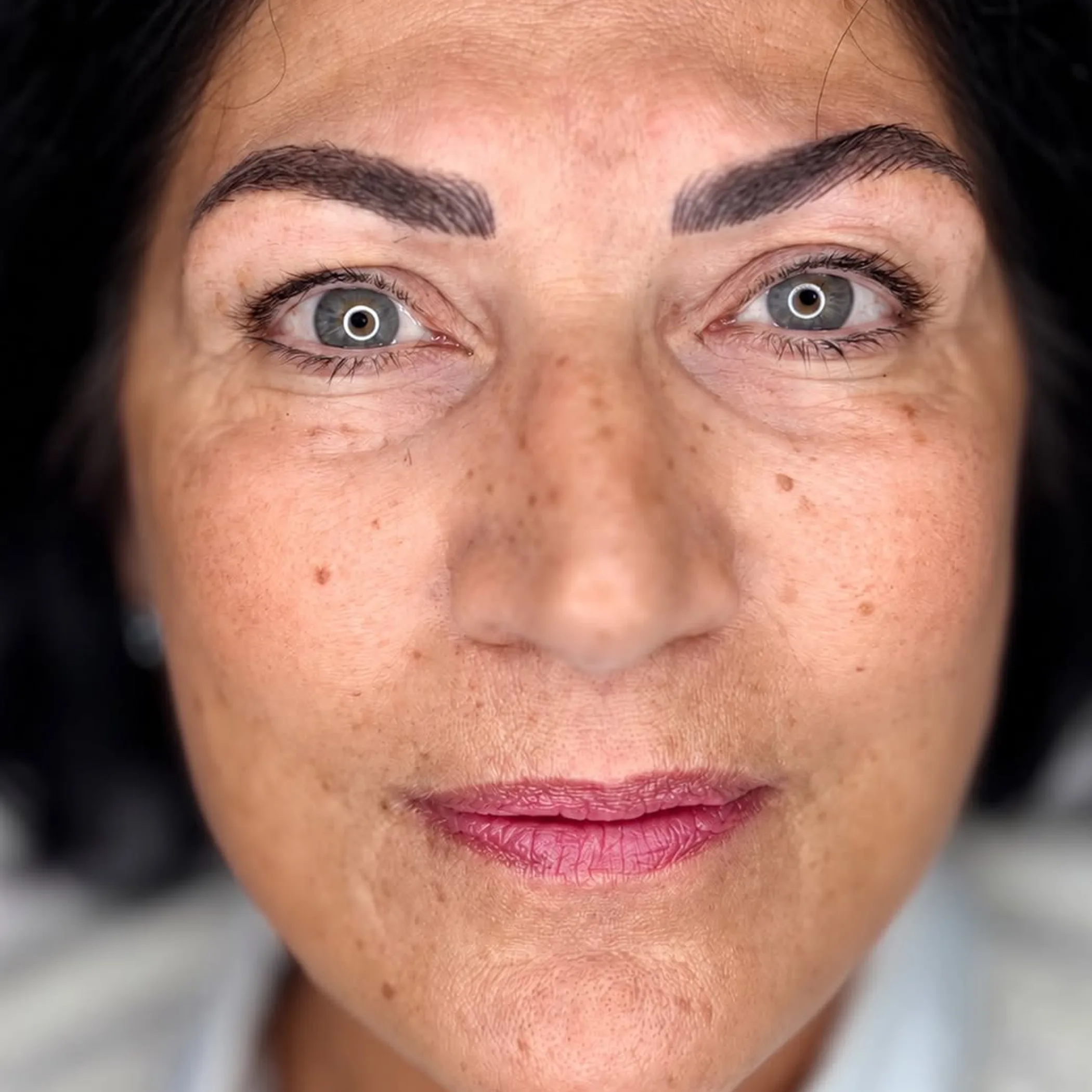
Public health and the local council are how Victoria sees to the regulation of most skin penetration and personal appearance services. Before you put a booking in the book, an artist in Victoria should be certain of the classification with the council.
Registration of the premises and adherence to infection-control are to be expected. The council is the first port of call for questions on inspection and registration, but do not expect the same from a regional council as you would in Melbourne; a studio in Ballarat will be given different instructions.
Plan Before Taking Bookings
It is wise to plan in Victoria. Do not put pen to paper on a commercial lease or put out opening dates until you know where you stand with the council. See what the requirements are for plumbing, ventilation, washable surfaces and the like before you lay out the money for a fit-out.
In my time in beauty retail I have found suppliers are good at moving equipment but not so much at clarifying the law. You cannot demonstrate compliance with a trolley and a ring light. Get the council’s expectations in writing and work from there.
Queensland
There are public health laws in Queensland pertaining to personal appearance services, namely the Public Health (Infection Control for Personal Appearance Services) Act 2003 and the accompanying Regulations. One should consult the guidance of Queensland Health in conjunction with what the local council has in place.
Given that cosmetic tattooing is a procedure which penetrates the skin and may see an exposure to blood or other body fluids, it is often deemed higher risk. The category in which it is placed will dictate the approval process as well as the infection control and premises that are called for.
Practical Pressure Points in Queensland
It is incumbent on operators in Queensland to determine if their particular cosmetic tattoo work calls for a higher-risk personal appearance service licence or some form of approval. A generic registration for a beauty business is not sufficient when one is doing skin penetration.
Then there is the matter of the climate in Queensland which puts a premium on how products are handled, stored and cleaned. Humidity and the threat of mould in the wet season have a way of revealing any shortcomings in ventilation or storage. In more regional parts of the state, plan to put in some extra time to obtain compliant sharps containers, clinical waste services and so on.
A Local Approach in South Australia
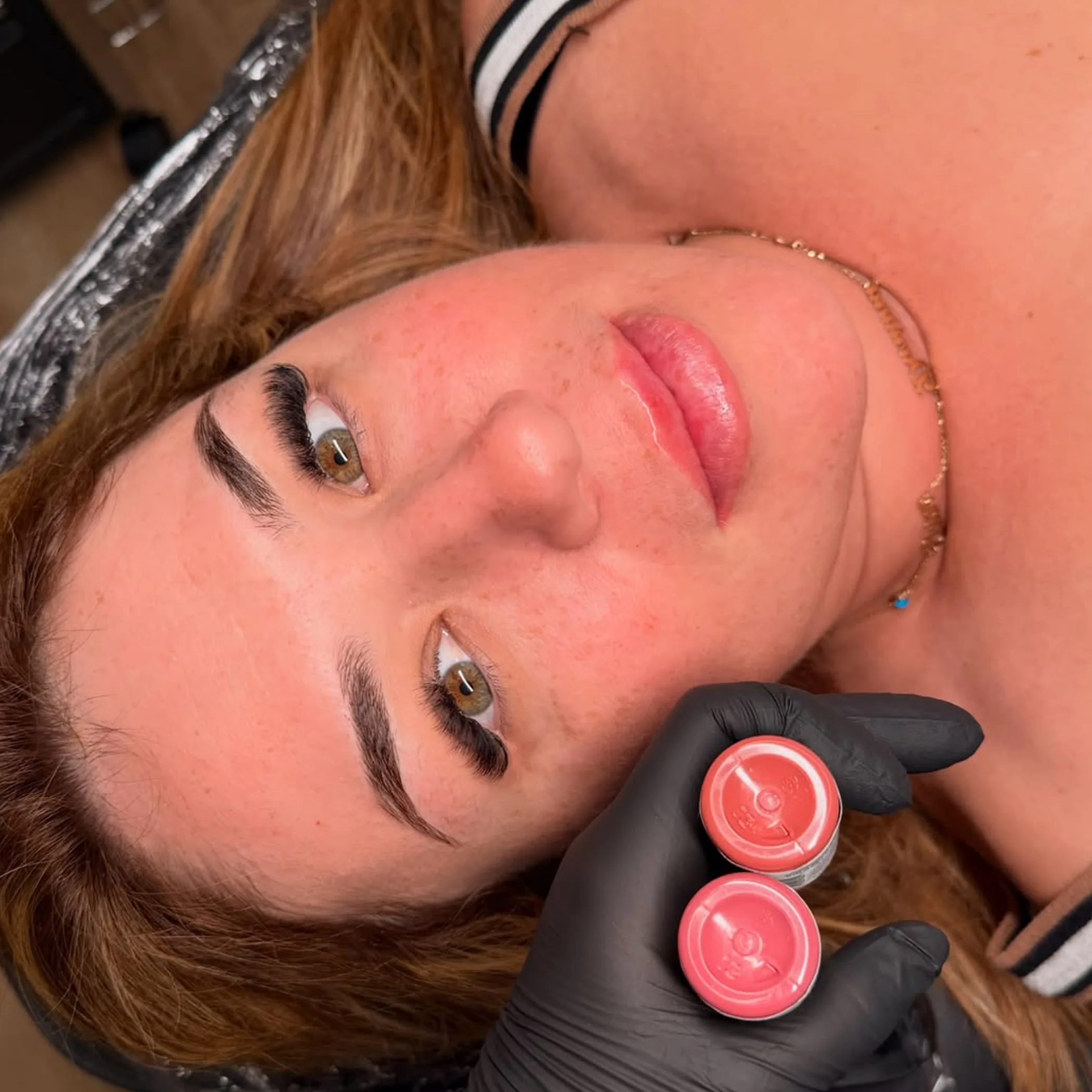
Businesses here would be well advised to review both the public health requirements of the state and the rules of the applicable council. Before granting approval or registration the council might want to put the hygiene arrangements, the premises and the activities you have in mind under a microscope.
Put enough information before them to make a risk assessment; refer to the service as cosmetic tattooing or skin penetration and not “brows” or “beauty”. Whether it is microblading, lip blush, powder brows or eyeliner, the techniques may vary but they should all be part of the discussion at the approval stage.
Records That Are Worth Having
In South Australia an artist’s records of client consultations, consent, aftercare, product use and cleaning should be in order: legible, secure and to hand, yet in keeping with privacy obligations. Do not make the error of having nothing but appointment details on file. When the question is asked as to what was done, what products were used, what health information the client put forward and what advice given, a proper record will provide the answers.
Health Rules in Western Australia
Western Australia operators should first put in with the Department of Health and the local government. As cosmetic tattooing entails skin penetration, the rules on waste, hygiene and the premises must be seen to before trading commences.
The sheer size of the state means a Perth studio and a mobile operator out by the Pilbara can be working in very different conditions despite the same health principles applying. Getting from one job to another has implications for everything from water access and equipment storage to emergency plans.
Dealing with Regional Conditions
There should be a written protocol for the separation of clean and dirty equipment, hand hygiene, disposal of sharps and surface protection, even for home-based or mobile services. You are no less bound by public health obligations because you are operating out of a vehicle or a spare room.
Product storage can be an issue in the heat of Western Australia. Heed the manufacturer on light and temperature and do not hesitate to put aside any product whose sterility is in doubt. It is better to replace it than to have to account for a lapse in infection control.
What to Comply With in Tasmania
Tasmanian operators need to be in touch with the local council over skin penetration and personal appearance services. All manner of things may come into play from planning permission to hygiene controls and the registration of the premises.
Do not think an informal setting in a small regional area is an exemption. Be it a home studio or a room put in behind a salon, there has to be a sensible layout, a way to wash hands and manage waste safely.
Questions on the Premises
To save the council time and head off costly issues later, have a floor plan to hand before you open that lays out where the treatment and cleaning zones are, where the waste is and so forth.
In Tasmania one also has to factor in winter, transport snags and the like. If there is a hold up with single-use or sterile stock, reschedule the client. Do not put safety at risk by making do with something you are not sure of.
Rules for the ACT and NT
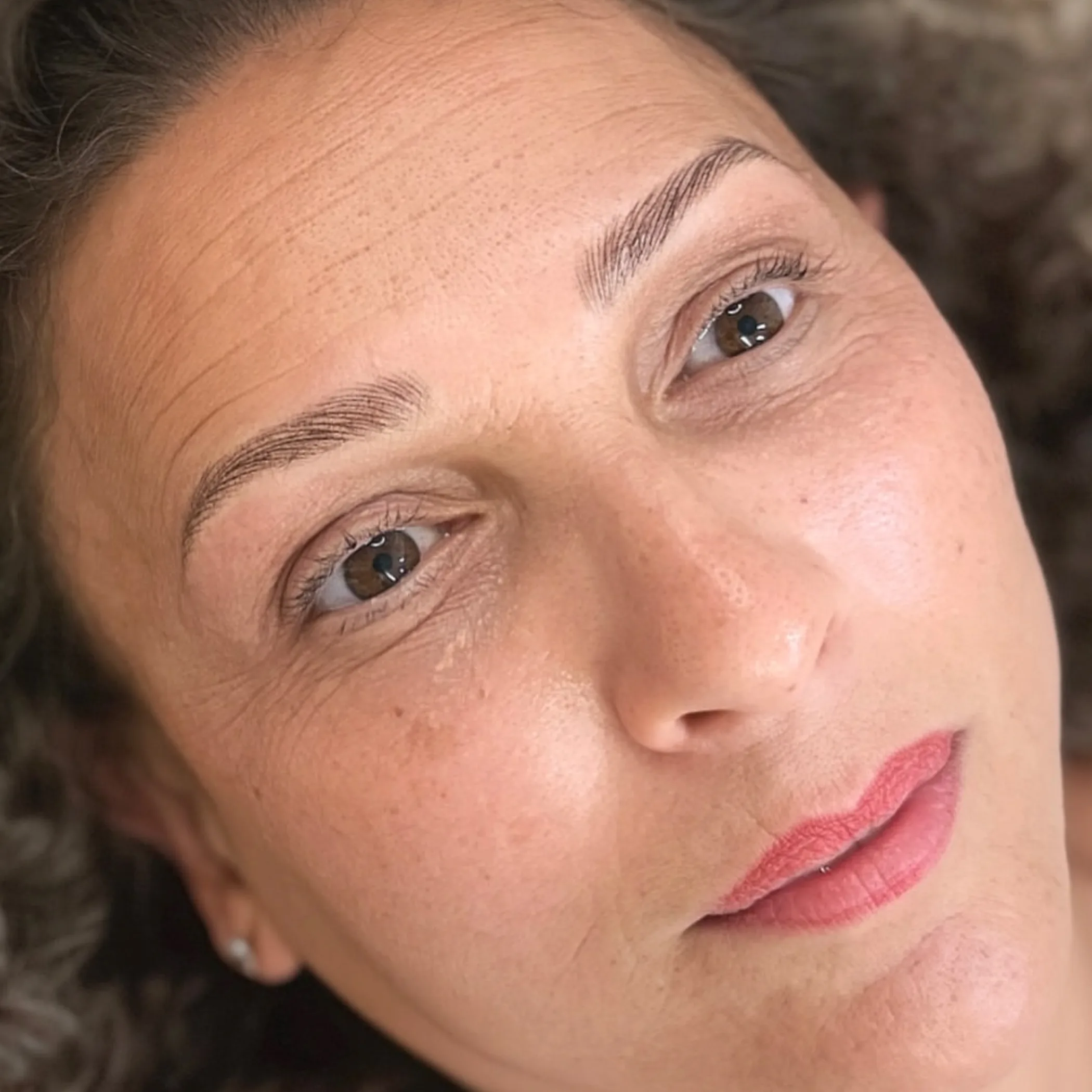
Each has its own way of doing public health and local approvals in the Northern Territory and the Australian Capital Territory. For the latter, Access Canberra is a good place to begin for regulatory matters; in the NT the health department and local authority should be your reference.
Advice on operating conditions, waste and the like will differ for a mobile service in the Top End, a home business in Darwin or a suburban studio in Canberra.
How Climate Alters Things
From November through April in the Northern Territory you have to contend with the heat, cyclone warnings and the humidity of the wet season, all of which bear on the premises and transport. The dry season brings its own demands in the form of dust and a clientele that can tax your cleaning regime.
Compact residential areas and the cold in the ACT will make you more aware of parking, heating and ventilation and the effect on neighbours. That is not to say one should not have a home-based studio in the ACT, only that it requires proper planning.
State Compliance Priorities
What follows is a summary of the initial questions one should put to oneself. Consider this a planning aid; it does not take the place of written counsel from the council or health authority as the case may be.
| Jurisdiction | First Contact | Key Issues To Confirm |
|---|---|---|
| New South Wales | Local council | Skin penetration classification, hygiene and waste, and premises approval |
| Victoria | Local council | Public health requirements, planning use and registration of the premises |
| Queensland | Queensland Health and the local council | Licensing, infection control and personal appearance service category |
| South Australia | Local council | Premises standards, records and skin penetration approval |
| Western Australia | Department of Health and local government | Product storage, waste, mobile work and the premises |
| Tasmania | Local council | Registration, handling of waste, planning and hygiene |
| Australian Capital Territory | Access Canberra and the local authority | Business setup, public health obligations and the premises |
| Northern Territory | Health and local authorities | Waste, climate, premises and controls for skin penetration |
Home Studios Need More Than Space
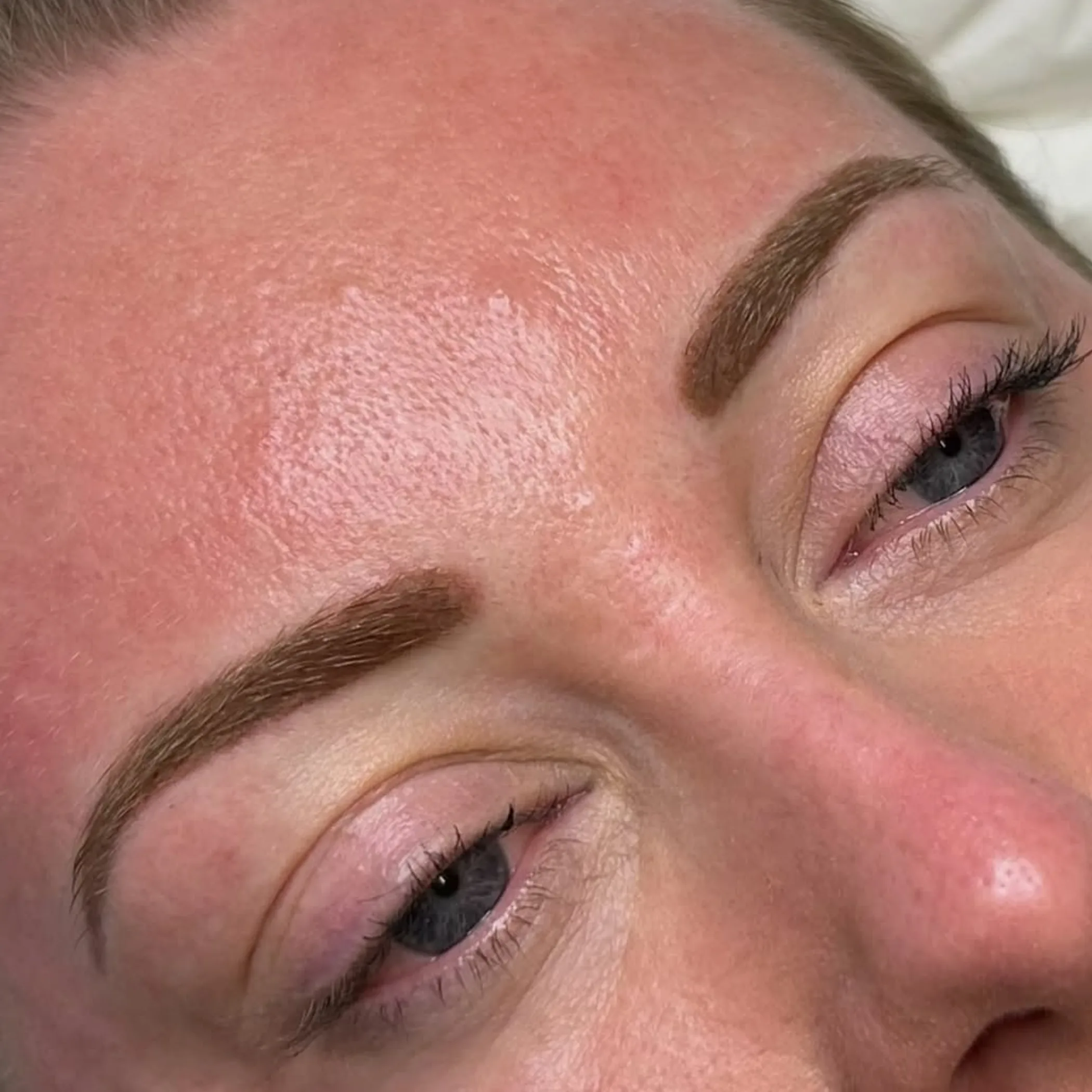
Is it possible to tattoo from home in Australia? In some instances, yes, provided the council and state or territory are in agreement. Do not assume a spare bedroom makes for an approved studio; there can be conditions laid down by an insurer or owners corporation.
One would do well to check on zoning, planning and premises registration, but also on the practicalities of client access, parking, ventilation, privacy, handwashing and how waste is to be collected. Make sure you know if a client can come through the family living area and that pets or children can be kept at a remove from treatment equipment.
What Catches Owners Out
It is a common misconception that health approval and business registration are one and the same. An Australian Business Number or the act of registering a name confers no authority to perform skin penetration.
Then there is insurance, where many are caught unawares. An ordinary beauty services policy might not extend to permanent makeup. Put it to the insurer to see if the policy is good for cosmetic tattooing, mobile or home-based work, allergic reactions and the like.
Training Inks And Client Safety
An online certificate of short duration will not afford the practical supervision required for safe cosmetic tattooing. Training has to encompass anatomy, blood-borne pathogens, consent, aftercare, colour theory, needle handling and emergency response, as well as contraindications and infection control.
There is a distinction to be made between cleaning, disinfection and sterilisation which artists need to grasp. Any instrument that goes into the skin is to be treated in accordance with the rules and what the manufacturer says. Reuse of single-use items is out of the question no matter how they appear.
A Written Hygiene System
Have a checklist in place for the disinfected surfaces, fresh gloves, barriers, handwashing with each client, disposal of sharps and sealed waste, and to document the cleaning done between appointments.
- Before putting out any advertising, get your council registration and premises approval in order.
- See to it that you have had the right sort of training in infection control and cosmetic tattooing.
- Verify the inks for PMU and tattooing and the supplier’s records and storage.
- Insurance needs to be in force along with incident and cleaning logs.
- So too do medical screening, aftercare information and written consent.
Do not overlook age rules either. There is no blanket national rule in Australia when it comes to tattoo restrictions. A younger client may be off limits or subject to tight curbs; parental consent in writing is not always sufficient to make the procedure lawful, so check the jurisdiction.
And for the client, realistic aftercare is as important as the appointment itself. Put to the client any questions on swelling, flaking, colour and infection warning signs, as well as when one ought to have a doctor’s input. Those who want to know what to expect from lip blush healing should be given written details of the procedure, not some rosy assurance that by tomorrow morning it will be flawless.
A Short Plan To Open Safely
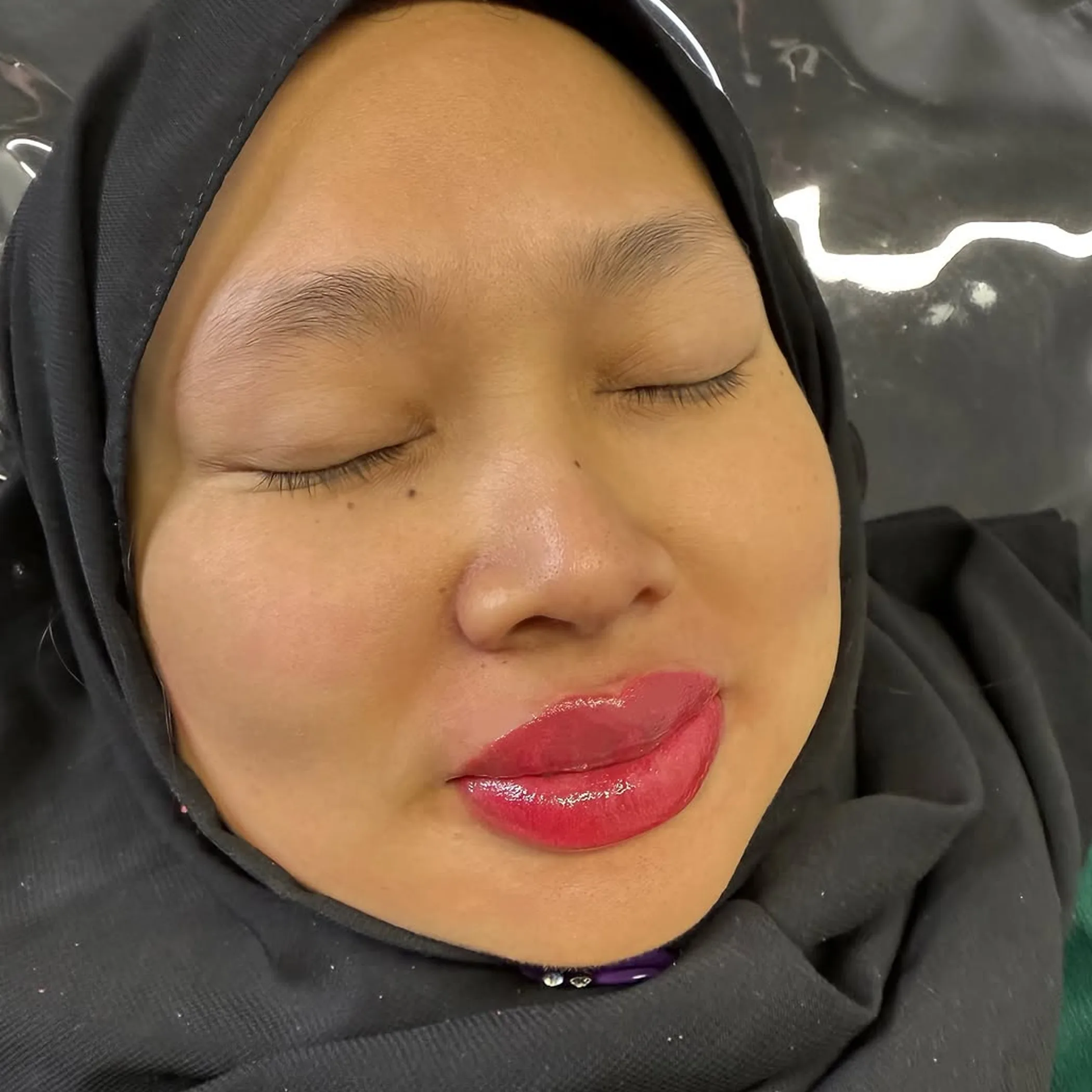
For a cosmetic tattoo business with but a day to get in order, put legal classification and council liaison ahead of all else; there is no point in putting time into décor. First things first: determine your waste arrangements, training needs, the pathway for the premises and the service category.
- List each and every procedure to be provided.
- Then get in touch with the health authority or council at hand, address in hand and your service list to go with it.
- You will want written direction on what is required in the way of registration, planning, hygiene and inspections.
- Put in place the compliant supplies, insurance, clinical waste disposal and training.
- See that you have the approvals and systems down before opening for business.
This is how an artist builds a lawful, repeatable operation and not a side line of sorts. There is no call to start on clients and leave the paperwork to be sorted out later; a perfectly good job can be made rough as guts that way.
Frequently Asked Questions
What restrictions are there on tattooing in Australia?
They are a matter for the state, territory and council and can be wide ranging. From the age of the client and who is allowed to do the work to the products used, hygiene and planning, the rules apply. One should verify if cosmetic tattooing is to be classed as skin penetration or a personal appearance service prior to trading.
And the 1/3 rule tattoo?
Do not mistake the “1/3 rule” for a national licensing requirement in cosmetic tattooing, it is not one. It might be an informal term or a design guideline of the industry, but it is no substitute for the public health laws of the state or council registration and the like.
Will tattoos be out of fashion in 2026?
You will find no grounds for such a claim. The trend is of less consequence than whether the artist is working within the law and in a safe manner, which is what matters for a regulated service.
Is there a risk of ink entering the bloodstream?
With skin penetration comes contact with body fluids and blood so sterile equipment and proper disposal of sharps are of a piece with infection control. A client would be wise to enquire as to ink traceability and hygiene and the protocol for an adverse reaction.
Police check or licence?
In some cases a licence, be it for the business or the tattooing itself, or a police check may be called for. But they are not the same throughout Australia. Make sure with the council and health authority and that your insurance is in order for the procedures in question.
Beauty And Compliance
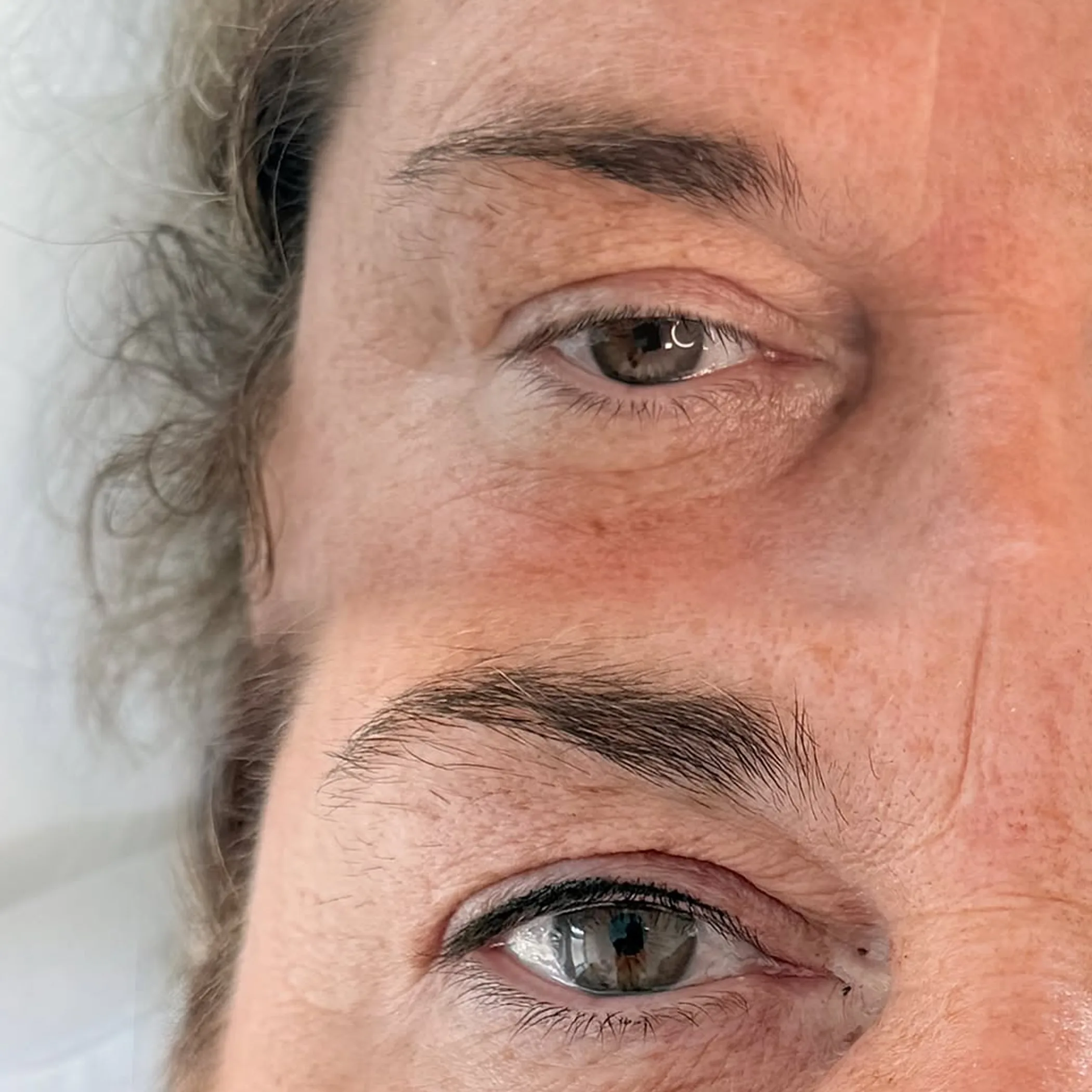
There is no national tick-box for cosmetic tattoo licensing in Australia. Laws here and across the country are dictated by the state or territory, the local council and the nature of the procedure and premises. Best to have the local advice in writing and records another could make head or tail of, and to develop solid habits of infection-control.
Compliance done right is not red tape, it is what gives a small business a chance when the unexpected occurs and is protection for both the artist and the client. Have the rules in order before you open up, be unimpeachable with your hygiene and let the pretty work rest on something substantial.