One could be forgiven for thinking of the 2026 cosmetic tattoo safety regulations and licensing in Australia as a paperwork swamp. Yet there is a simple answer to it: you will not find a national licence for a practitioner here. What is required is a matter of local council registration, the state or territory one is in, the premises and the procedure at hand. Before any client is treated, a practitioner has to have the approved training, infection control in place, suitable premises, insurance, council approval and the like on his or her records.
In what follows I put the practical case for cosmetic tattooing, microblading, eyeliner and permanent makeup. For expert eyeliner tattoo insights, see the related guide. Given that local councils have their own way of doing things and rules are subject to change, consider this a compliance roadmap; it is no replacement for getting written confirmation from the proper authority. My name is Lyra Fenwick and when I put pen to paper on beauty services I favour plain English, sensible record keeping and avoiding unpleasant surprises.
Cosmetic Tattoo Rules In 2026
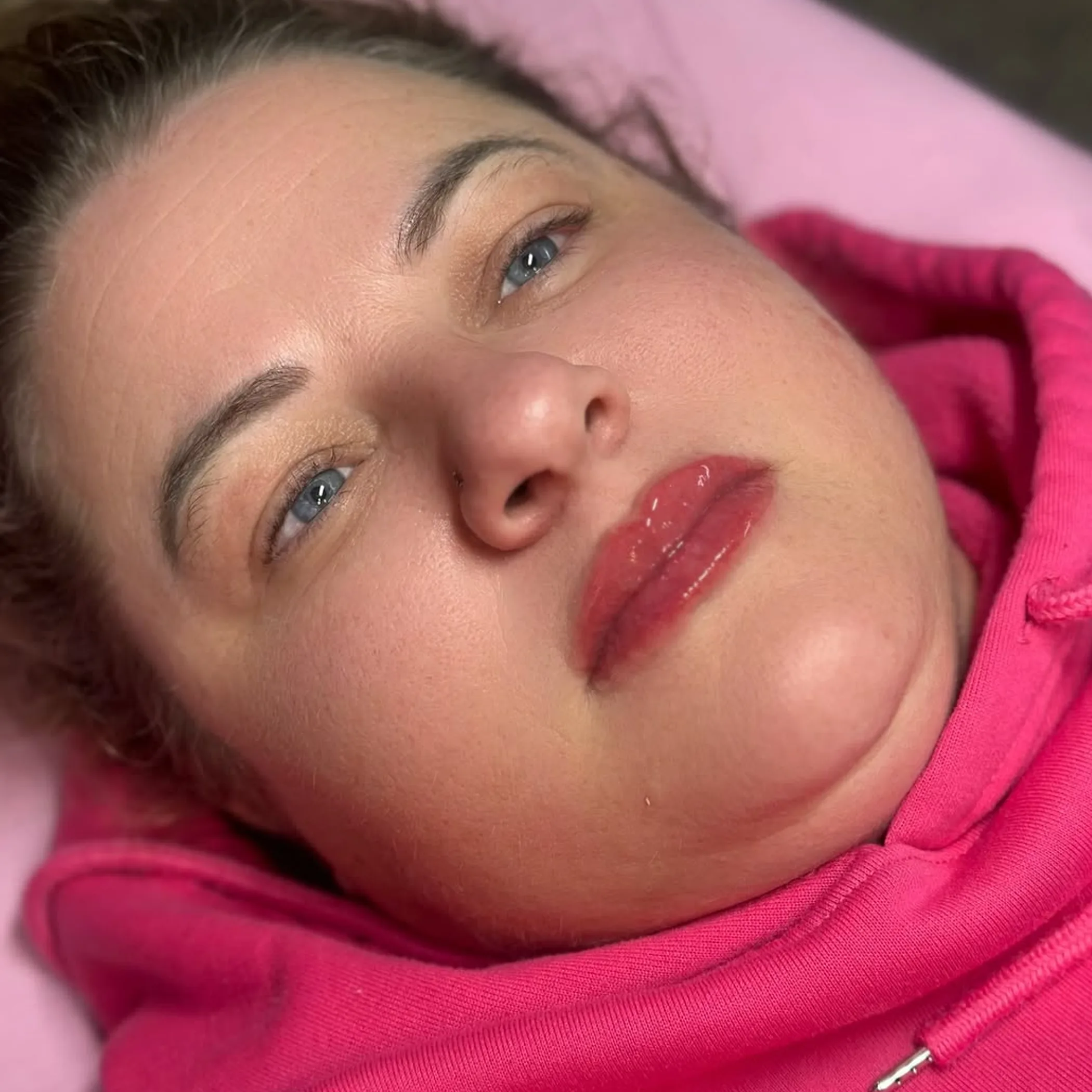
If the words cosmetic tattoo regulations Australia 2026 were to suggest a single rulebook for the country, they would be misleading. The system in Australia is divided between the Australian Government, product regulators, workplace safety, health departments of the states and territories and the local councils.
Put simply, cosmetic tattooing is a skin penetration procedure by virtue of putting pigment into the skin, irrespective of whether it is put forward as a medical treatment or an aesthetic one. It is of little consequence if the work is done in a spare room with a good ring light or a first rate salon; the question is does the practitioner have the equipment and know how to manage infection risk in accordance with the rules of the location.
What Changes By Location
With two mainland territories and six states, there are eight jurisdictions a practitioner has to take into account. An eyeliner service in Hobart or Perth, for instance, may call for different forms and council requirements than in Brisbane, Melbourne, Adelaide, Canberra, Darwin or regional New South Wales.
My advice is to put three matters to the relevant authority in writing before opening up: is it regulated as skin penetration, which state or territory health rules are in force and does the council want to register, inspect or be notified?
Do Artists Need A Licence?
You are not going to come across a piece of paper termed a “cosmetic tattoo practitioner licence Australia” that is valid in every corner of the country. But do not mistake that for a lack of regulation. The onus is on public health, the competence of the practitioner, council rules and the registration of the premises.
A council can demand a compliant fit-out, proof of training and knowledge of infection control, waste arrangements and an inspection prior to business commences, even without a personal licence issued by the state.
Practitioner Versus Premises
The distinction is where some get tripped up. An unregistered premises makes a trained practitioner a compliance issue just as much as an untrained operator is unsafe in a compliant one. Both the person and the place must be in order.
Mobile work and home studios, let alone shared clinics and rented rooms, add complications. Find out from the council if the registration is tied to the activity, the business or the premises. Do not count on a blanket approval for a beauty salon to extend to cosmetic tattooing.
State And Territory Requirements
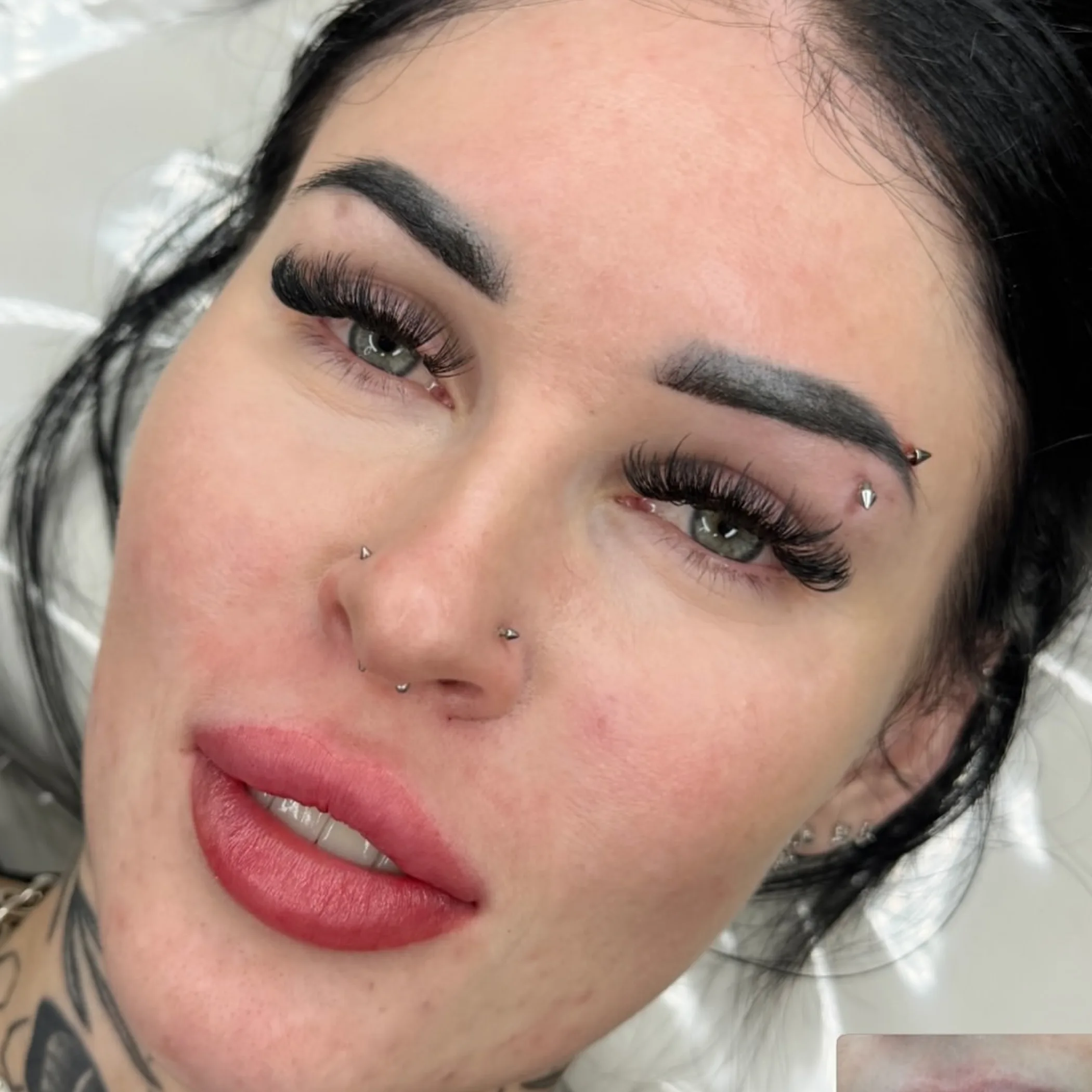
These form the first part of the compliance picture. They cover everything from operator conduct and notification to the prevention of infection and how to deal with an adverse event.
The table is offered as a sound starting point for the eight jurisdictions in Australia; it makes no pretence that a one size fits all rule is observed in every council area.
| Jurisdiction | Authority To Check | Practical Question |
|---|---|---|
| New South Wales | NSW Health and local council | Is it a skin penetration activity and what are the premises registration demands? |
| Queensland | Queensland Health and local council | What conditions are in place for the operator, premises and infection-control? |
| Victoria | Victoria Department of Health and local council | Will the council want to register, notify or inspect the service? |
| South Australia | SA Health and local council | What public-health controls and local approvals are needed for the premises? |
| Western Australia | WA Health and local council | Are the requirements for skin-penetration and disposal of waste being adhered to? |
| Tasmania | Tasmanian Department of Health and local council | Locally speaking, what are the hygiene and registration prerequisites? |
| Australian Capital Territory | ACT Health and the relevant authority | What are the studio’s obligations in terms of approval and infection-control? |
| Northern Territory | Northern Territory Government and local council | What are the rules in the area for waste, premises and public health? |
To see if a product, pigment or any claim is of a regulated nature, refer to the official data from the Therapeutic Goods Administration. While the TGA will not have an answer for every query that comes up in a salon, it is the federal authority one should be consulting on therapeutic-goods matters.
Confirm Before You Open
Put in a call to your local council and the health department of the state or territory prior to putting pen to paper on a lease or putting out an ad for appointments. Get a written response with the date and the officer’s name; a screenshot of some indistinct webpage does not constitute an answer regarding your service.
With microblading, powder brows, lip blush and eyeliner tattooing you should make a point of listing each service on its own. What one council considers related procedures another may want more information on as to the equipment, the waste or treatment areas. Such fine print can turn into a compliance headache.
Premises Rules of the Local Council
In many cases it is the local council that dictates the legality of day-to-day studio operations. They are within their rights to inspect everything from the lighting and ventilation in a treatment room to hand-washing facilities, storage, cleaning systems and sharps containers.
Do not put “beauty room” forward as a legal category. Make it known to the council you are undertaking cosmetic tattooing or other skin penetration work. Inquire as to registration, building and planning approval, home-business rules, signage, inspection fees and disposal of waste.
Home And Mobile Studios
Some forethought is called for with a home studio. There will be an expectation of a dedicated treatment area, surfaces that can be cleaned, a hand basin and secure storage so that household traffic does not come into contact with sterile items. A terrier named Button or a toddler may be welcome, but they have no place at an open treatment field.
There is an added dimension to mobile services. One must be sure of how to get clean instruments to site, shield sterile packs, deal with contaminated waste and find a hand-washing station. Should the arrangement not be up to infection control standards, the client is not to be seen.
Hygiene And Infection Control
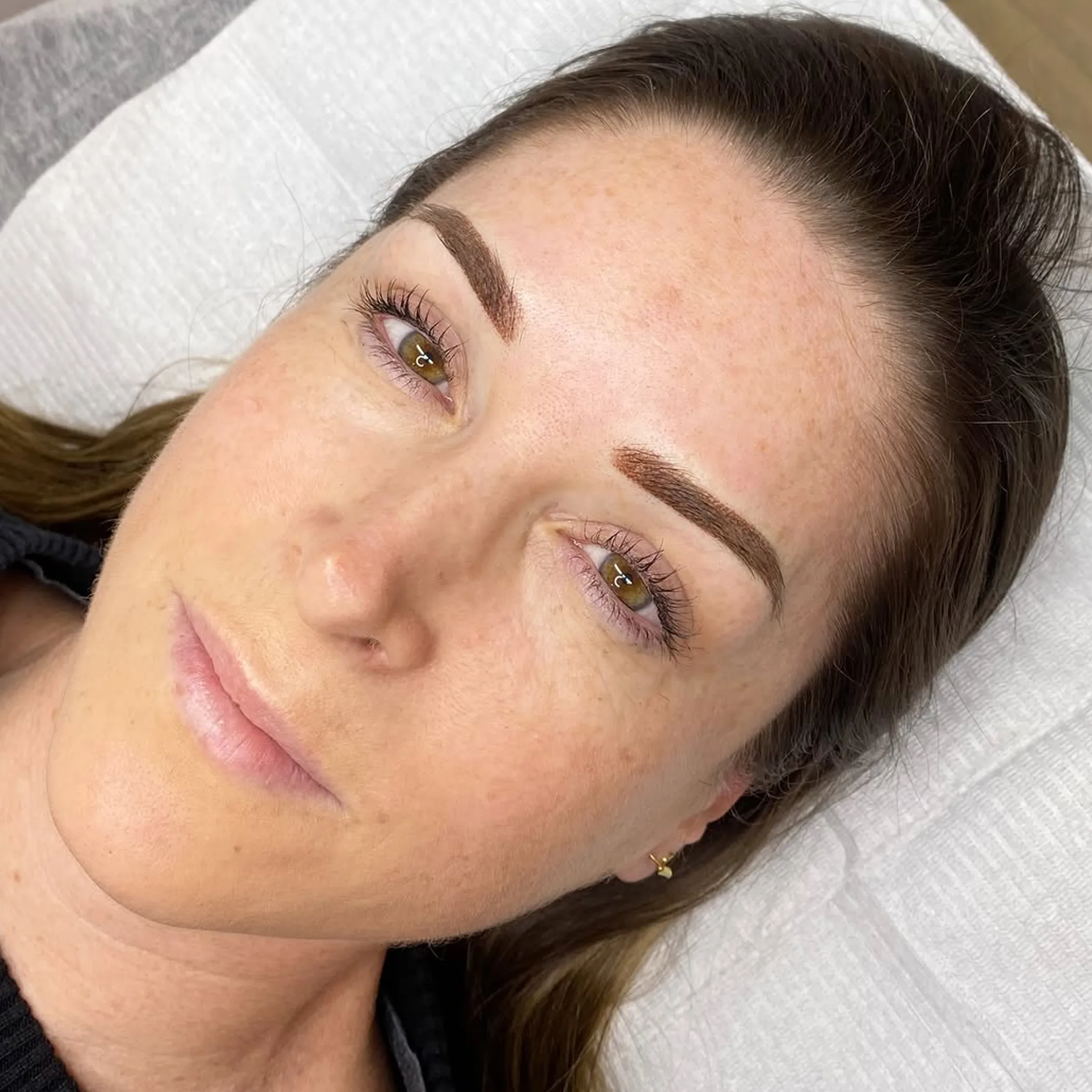
The prevention of contamination and the like, be it blood-borne viruses or bacteria, is what makes for safe practice in cosmetic tattoo hygiene.
It is not enough for infection control to be in a folder; the practitioner should be seen to be exhibiting it. Clients will note the clean preparation, new gloves and the manner in which needles are handled and put away. The best reception desk in the world will not make up for poor technique in the chair.
Safe Practice
Needles and cartridges are for a single client and then they go straight into an approved sharps container. Do not think to recap, wash or put them to use again. Inspect the expiry date on supplies before breaking the seal on sterile packaging.
Surfaces are to be disinfected between clients with something appropriate to the risk and material. Gloves should be worn and changed as soon as there is any sign of contamination and hands washed when due. As for reusable instruments, sterilisation is necessary where the case makes it so. Disinfection is not a substitute. No amount of spray and paper towel is going to render a contaminated instrument sterile. Heed the manufacturer and the state’s guidance.
- Have a procedure in writing for cleaning, maintenance and waste.
- Store records, pigments and instruments in a way that is secure and free from contamination.
Waste has to be dealt with properly. An ordinary piece of rubbish and a needle are not the same. See that you have a system in place through the council or a waste provider for disposal. Under no circumstances do used needles belong in the household bin, regardless of whether the lid is on and spirits are high.
Competence, Training And Insurance
A certificate from a short course is no guarantee of competence. The right practitioner has a grasp of skin anatomy, aftercare, adverse reactions, aseptic technique, emergency response and the handling of pigment. There are different risks and anatomical considerations with an eyeliner and a brow or lip procedure; training in one is not sufficient for the other. There should be supervised practicals and an assessment of the services at hand.
Compliance File
Bring your insurance documents, equipment records, first-aid and refresher training certificates together. Public liability is a must, yet check the policy to be sure it extends to skin penetration and cosmetic tattooing as some general beauty policies will not. Insurance is there for financial reasons once things have gone awry, not as licence to operate in the absence of the basics.
Consent Records And Aftercare
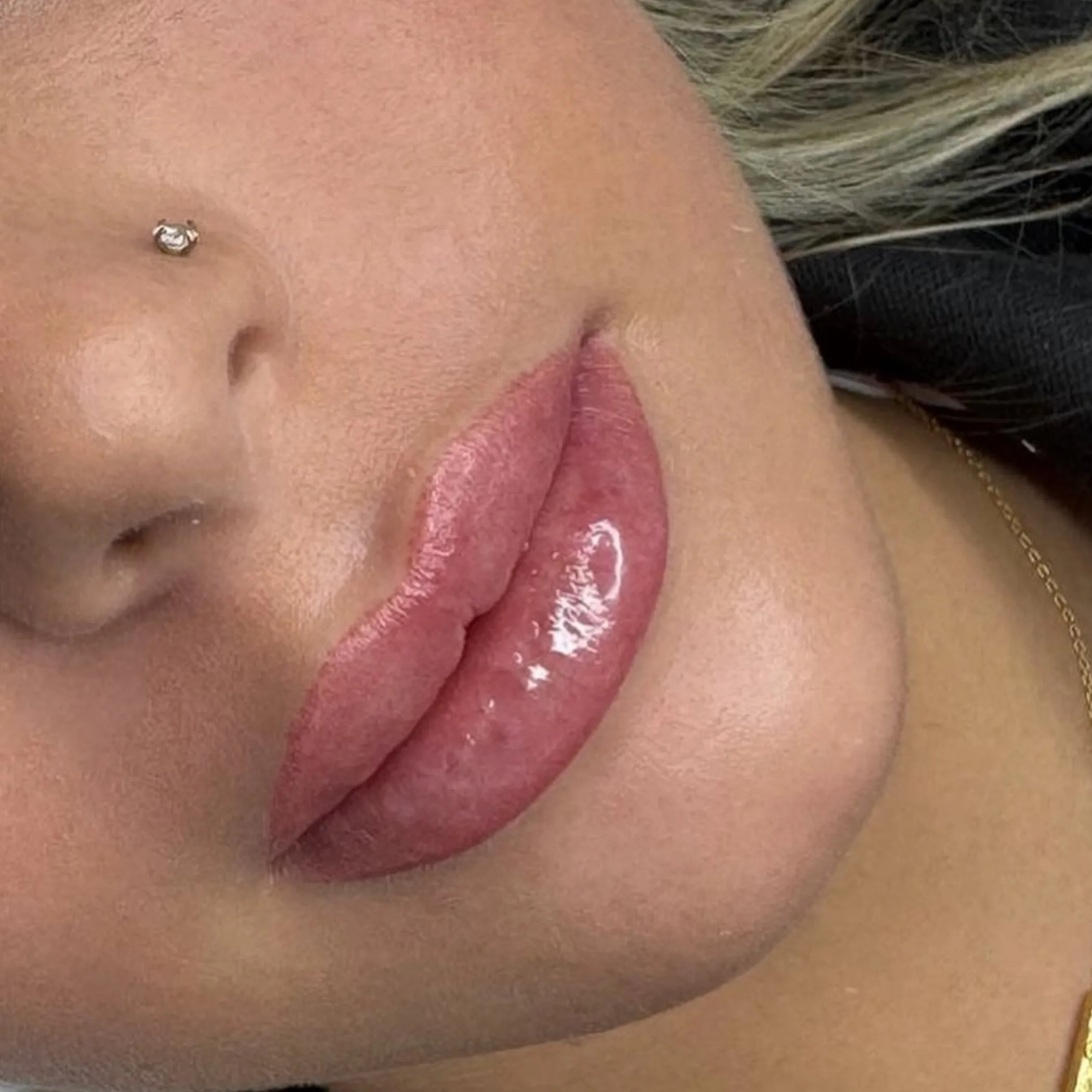
A client should be in conversation for consent, not hurriedly put to pen and paper with a coffee in hand while one is being balanced. Put the procedure in front of them before you start: make sure they understand the risks, what can be expected and what cannot be, any limitations, pigment variations, the need for touch-ups, aftercare and alternatives.
If your training or product data calls for it, a patch test is in order, though do not let it give the impression of an absolute guarantee against a reaction. Whatever the case, have on file the operator, date of treatment, area covered, consent and aftercare instructions along with batch details of the product if they are to hand.
Things can go sideways
Be plain with clients as to what healing entails and when they ought to see a doctor. Redness that is getting worse, pus, fever, difficulty in the eyes or breathing, heat spreading or severe swelling are no part of “normal healing” and should be treated as such. Make a note of any advice proffered and refer to a medical professional where called for.
Then there is record keeping. Aside from being a safeguard for both parties, it will show up any pattern should more than one person come forward with irritation or a pigment issue. Handle personal information in accordance with privacy obligations and keep the records secure.
On the subject of eyeliner tattoo safety in Australia
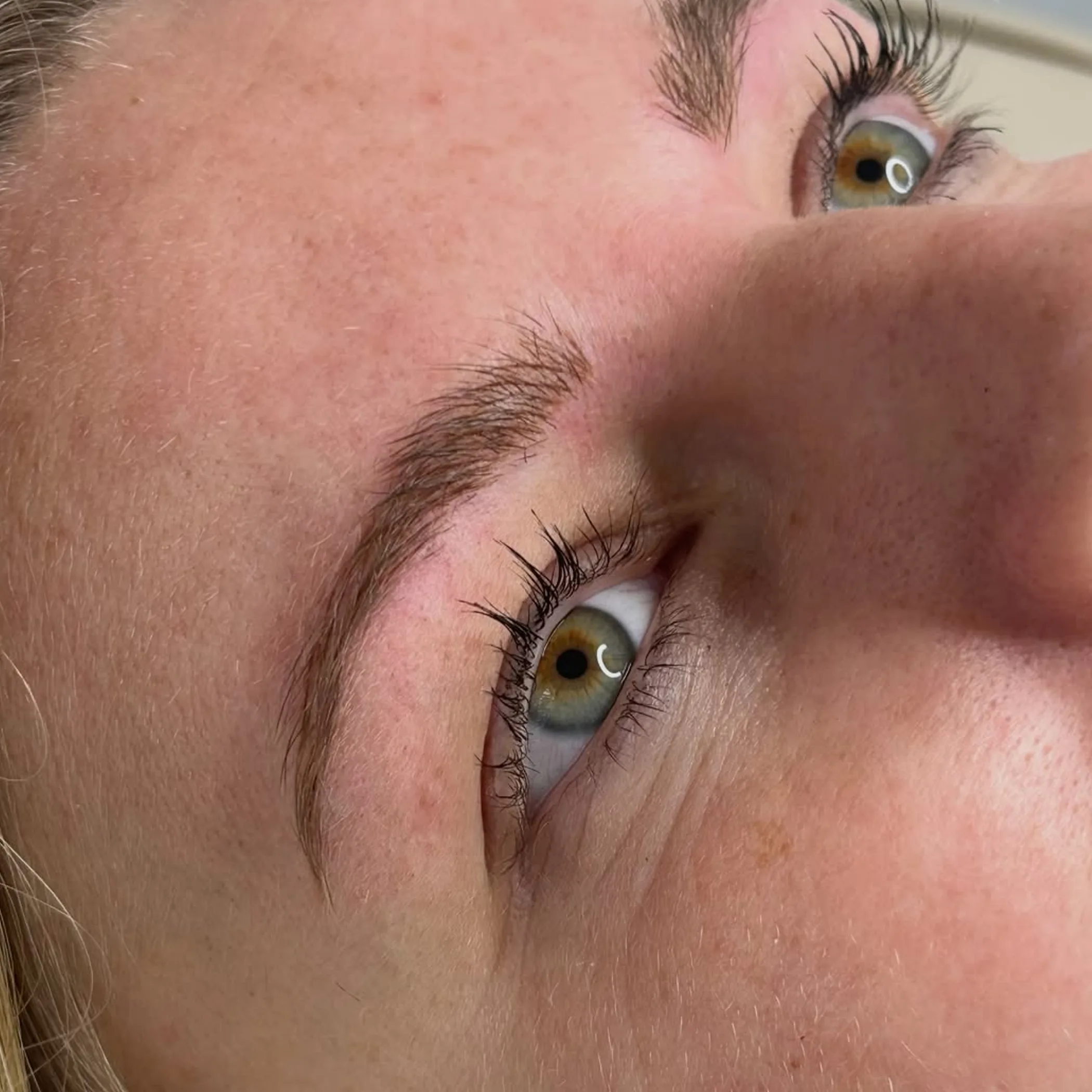
It is a sensitive matter given the proximity to the eye. One is looking at risks of trauma to fine tissue, unevenness, pigment migration, infection or an allergic response, to say nothing of complications with the eye itself.
Inquire as to medical history, medications, contact lenses, any recent surgery or allergies prior to the work. Should a client be reticent about health matters, offer some reassurance rather than put them on the spot. Adhere to the product’s directions; under no circumstances should one tattoo over unexplained swelling or an active infection.
What people miss
There is a tendency to think an eyeliner tattoo will perform like a pencil liner. It will not. The shape may seem altered in the course of healing and the colour will soften, symmetry can be thrown by swelling for a time and a touch-up is often in the cards. And removal is not something to be taken lightly; it can be expensive and incomplete. An expert will be upfront about the limits of the result, not merely the convenience of a darker lash line in the morning.
Reality check
The beauty qualification does not encompass every service. Training has to be commensurate with the procedure and local rules might demand more. A council registration is not the same as clinical competence. A patch test lessens uncertainty but will not foretell an adverse reaction. And the cheapest option is rarely good value; an unsuitable outcome or lax infection control can run to medical and emotional costs far in excess of what was saved.
Five questions one might ask
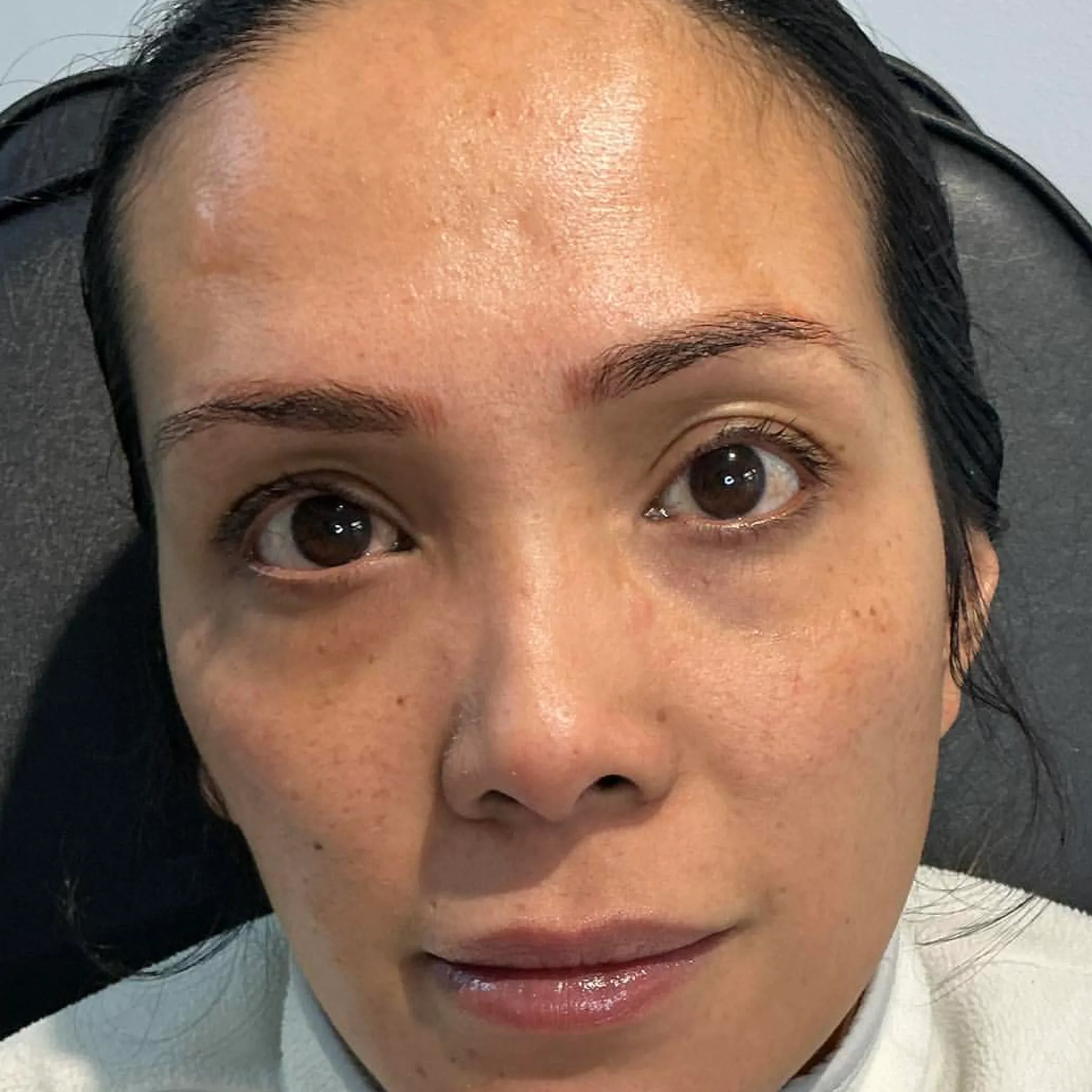
Is a licence required?
Australia has no national licence for all cosmetic tattooing. Council approval for the premises, the right training and state or territory health compliance are likely to be needed. Verify with the health department and your local council.
What in the way of qualifications?
This is dependent on the service and location. Your training should address skin penetration, blood-borne viruses, contraindications, infection control and so on. Check with your insurer and the authorities as to whether it is acceptable for what you propose to do.
Do councils regulate this?
For the most part they do. From waste disposal to hand-washing facilities and home-business conditions, the requirements are set locally. What is approved in one suburb will not hold in the next.
Hygiene?
Hand hygiene, gloves, single-use needles, proper sterilisation of reusables, safe disposal of sharps and written procedures are the basics. State guidance will tell you what is required of your premises.
Risks with eyeliner?
Infection, swelling, reactions, pigment issues and the like. The tissue is delicate. Clear consent and aftercare are due to the client and those with eye symptoms or who have had recent surgery would be well advised to get a medical opinion first.
Compliance for 2026
Make a day of it to put a new business in order. Start with the premises and the fundamentals of infection control. See what the council says, have a look at the equipment storage and treatment room, run through your single-use stock and put your insurer in the picture.
- Put in place your written procedures for cleaning, sterilisation and waste.
- Get the evidence of your competence and the public liability insurance to match.
- Have your consent and incident records ready to go.
- Do not take on a client until the setup has been reviewed.
Cosmetic tattooing is not for those who would see safety as tedium to be put off after the pretty bit is done, nor for anyone inclined to cut corners on training or think a home salon is exempt.
The bottom line
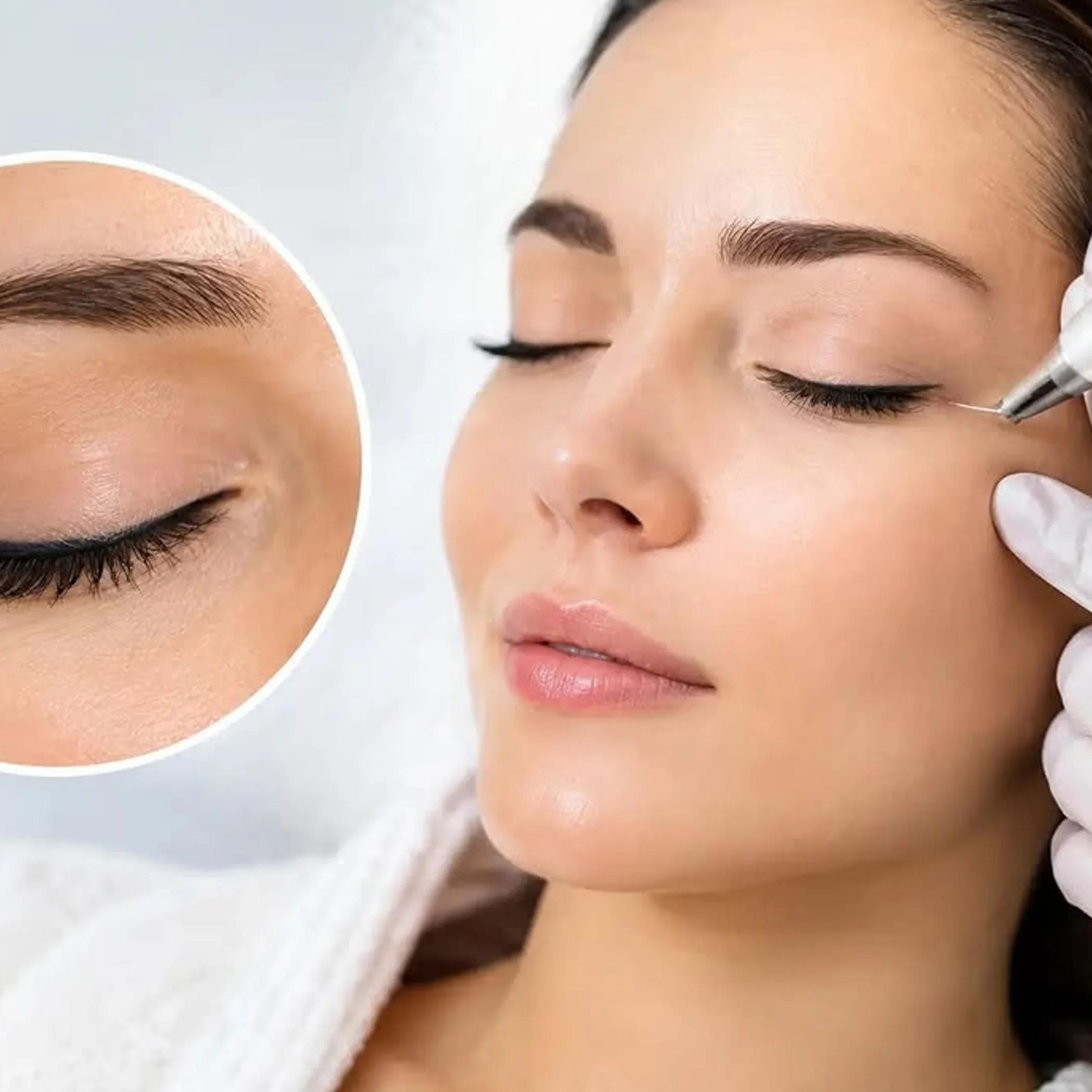
Licensing in this country is a matter for the practitioner, the operator, the council and the health system alike. The prudent course in 2026 is to know the local rules, have your staff qualified, insure properly and document everything. I have seen enough in the beauty industry to know the finest operators are seldom the ones making the most noise. They are the type to talk you through a procedure without fuss, demonstrate how they handle their equipment and will put in a “let me check on that” before they commit to an answer. Careful and transparent, with none of the rough edges of a shortcut.