There is a straightforward way to put it when it comes to the best gutter seasons in Australia for 2026. In the south of the country late autumn will generally do for your gutter cleaning, but you want to be making use of the late spring window for any bushfire or summer storm preparation. Up north the wet season has a way of upending the schedule, so one pays more heed to the weather on the ground than a date on the calendar.
Lyra Fenwick here from Ballarat. With the gum trees and cold mornings we have, and the way the weather can turn on a dime, roof maintenance is something of a practical pastime. You would think a gutter was harmless until you are up there and find it has become a compost heap. The following is meant to be a guide as to when and how often gutters should be cleaned throughout Australia, and the point at which engaging a professional for professional fascia and gutter upkeep is the sensible option.
Choose The Right Seasonal Window
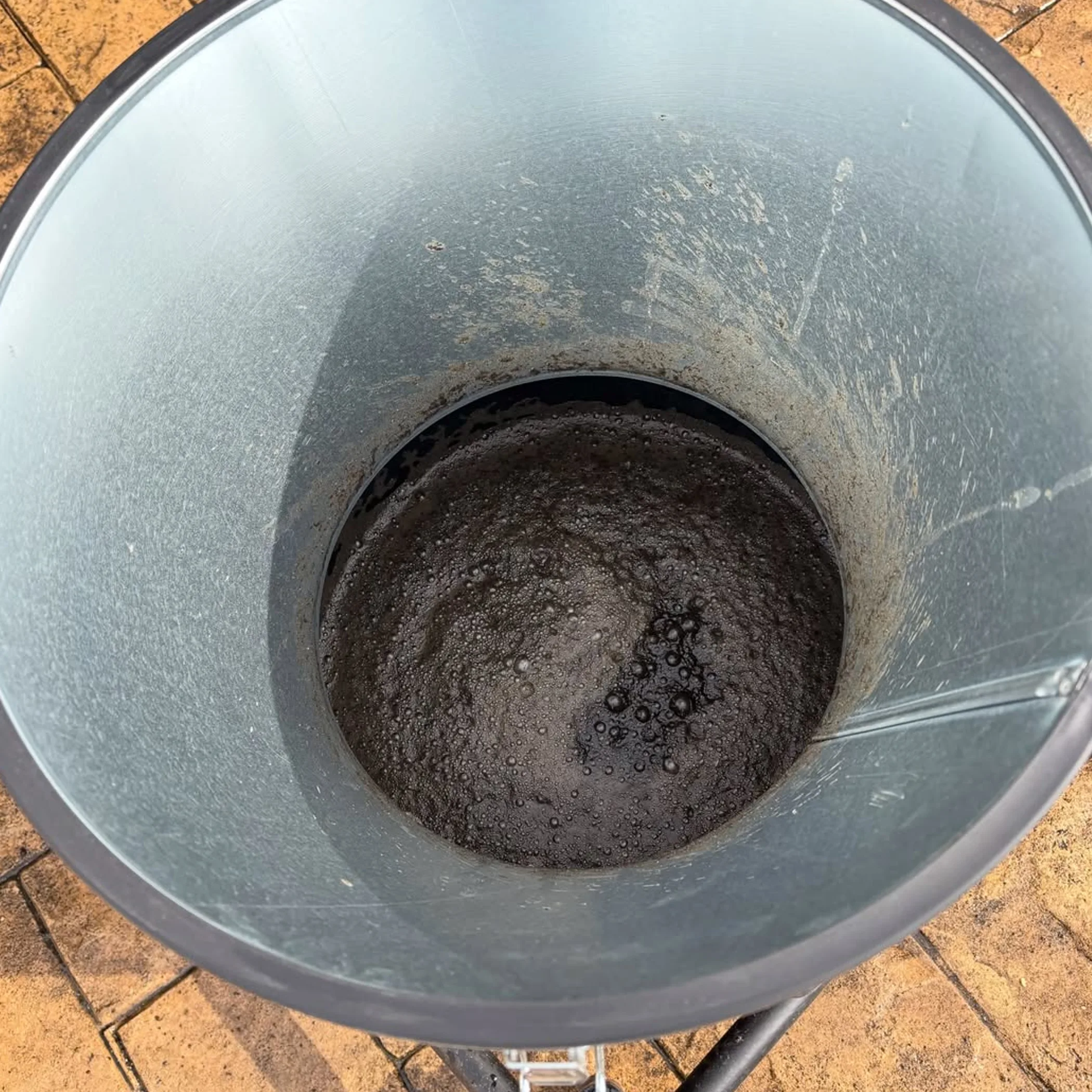
Rainfall, leaf drop, the risk of bushfire and storm activity all play a part in deciding the right time to clean gutters in Australia. A good rule of thumb for most in Victoria, Tasmania, South Australia and some of New South Wales is to put in a clean in late autumn and an inspection in late spring. It is not a formula that works in every suburb, but for the majority of households it is a sound place to start. One gets the winter debris out of the way before the heavy rain and puts an end to dry leaves and roof litter ahead of the summer storms or bushfire season.
Leaf Drop And Late Autumn
Once the deciduous trees are done with their leaves, an autumn clean is very much warranted. In the cooler climes of Melbourne, Adelaide, Hobart and Ballarat, this is the prime time for maintenance. Get between late April and May to stop the winter rains from turning leaf matter into a compacted mass in the gutters. An inspection of the channels, downpipes, roof edges and valleys is in order. Should you see water running over, do not put it off till the weekend is right; gutters are not going to get better with positive thinking.
Summer Readiness In Late Spring
Fresh blossom, seed pods and nesting material need to be cleared from the gutters before the summer storms come. This applies to properties with overhanging gums or a lot of tree cover and dry vegetation where one needs to be ready for bushfire season. In Victoria, Western Australia, South Australia and parts of NSW, late spring is when you look at your gutters. For the subtropical belt around Brisbane and the Gold Coast it is a chance to have the roof drainage in order for the heavier summer rain.
Autumn Gutter Maintenance: March – May
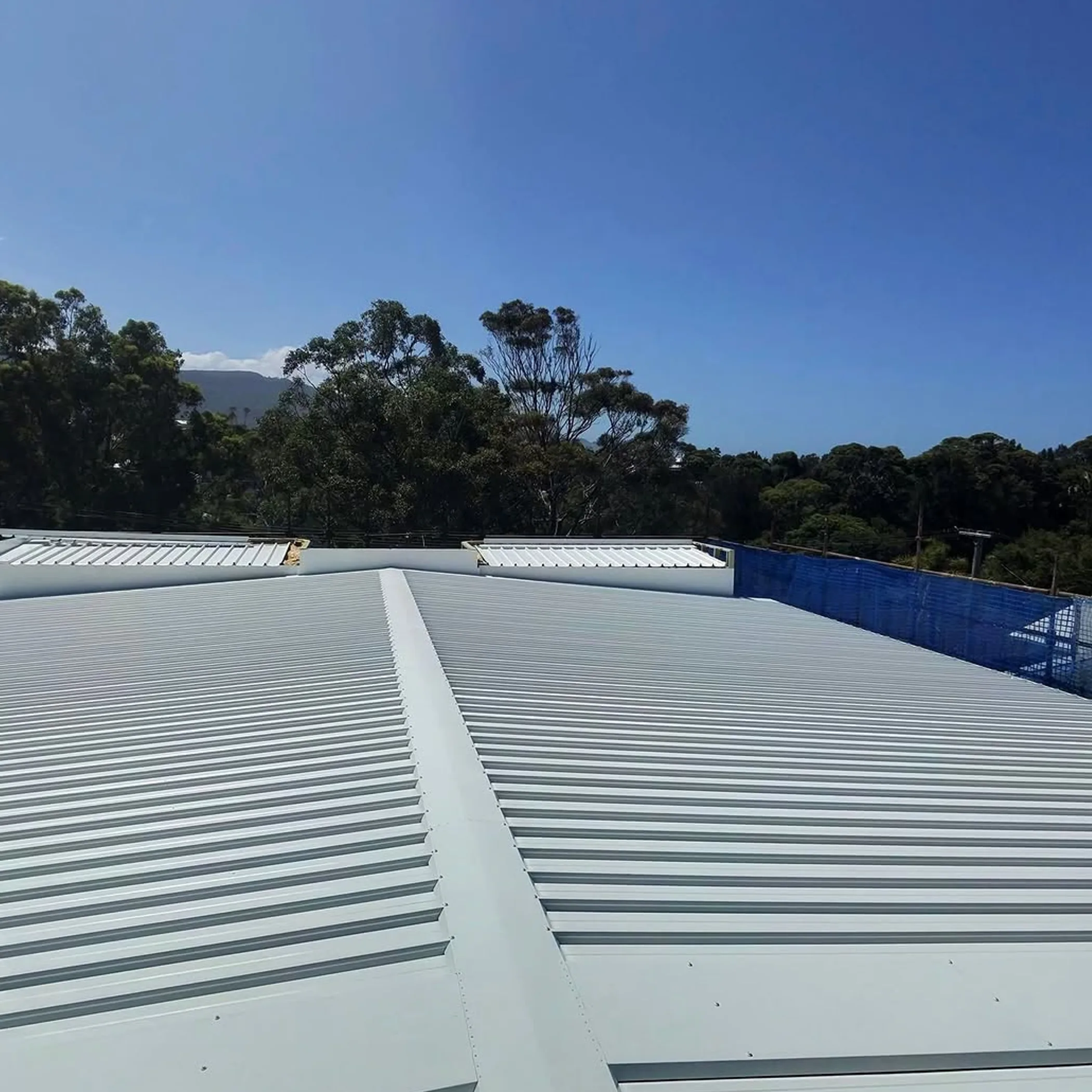
A little bit of litter on the roof can make for a blocked gutter in no time in autumn. Leaves take on the rain and swell up in the corners, leaving you with a muddy mess that has all the character of cold porridge. The aim is to be rid of it before winter, not just for tidiness. A clear channel means stormwater has somewhere to go to the downpipe instead of spilling over the eaves and exterior walls.
Before Winter
Make a note of any standing water or rust, a loose bracket, a join that is cracked or a section with the wrong slope to the downpipe. See if the stormwater drainage is up to a hard downpour and the downpipes are discharging properly. I was taken aback in Ballarat to discover the worst blockage was not under the largest tree but in a small roof valley out of sight where the wind had put in its leaves. The configuration of the roof is as important as what is in the yard.
- Inspect each downpipe opening and put an end to any loose debris.
- See if there is any sagging, corrosion or damage to the mesh and leaking joints.
- If it is safe, put some water through the system to test it.
- Put down where the trouble spots are to save time on the next inspection.
Spring Gutter Maintenance: September – November
You have two things to do with a spring clean: put the property in shape for the wind and heat and deal with the new organic growth. After a damp winter it is worth doing to uncover a leak or two. Then there is the matter of bushfire prep. Dry leaves left in a gutter are fuel for the roofline, though cleaning is only an element of your fire plan. Take your cue from the fire and emergency authority in your area. To put the risk of fire and storm to naught, a pre-bushfire season clean of the gutters is in order. This ought to cover the roof, downpipes, valleys and any penetrations in the roof line. Make sure to remove dry leaf litter from the ground about the house too; you can have a spotless gutter but it will not make up for combustible matter left by your walls or windows.
Reduce Fire And Storm Risk
When it comes to putting together a plan for outdoor work, refer to the Bureau of Meteorology for their official fire weather data. Under no circumstances should one be on a roof in the event of high winds, a storm, extreme heat or if there is fire activity in the vicinity.
Bushfire and Summer Gutter Care

A full routine clean is not what summer maintenance is typically about, more an inspection. In the space of minutes a summer storm will put roof debris, bark, seed pods and branches in the gutters, especially if there are large gum trees about.
Up in northern Australia the seasons are another matter. The Top End and the tropics of Western Australia have their cyclone period and a distinct wet season for most of November to April. Brisbane and the Gold Coast see their share of heavy summer rain. One’s regional climate is what should dictate the schedule.
Make an Inspection Following a Bad Storm
Start from the ground and survey the roofline after a severe storm for water marks, any roof sheets out of place, hanging branches or gutters that have overflowed. Should you find evidence of damage, do not go climbing with a bucket and some optimism; have a qualified person come and look at it.
The height of the day in summer is no time for roof work. Metal gets unreasonably hot and ladders are not to be trusted in a sudden storm. Better to work in the morning when the weather is calm and there is a clear way off the roof.
Rainy Winter Checks

While winter does not lend itself to a thorough cleaning of the gutters, it is the time for observation. A leak or a blocked downpipe that is not apparent in the dry will show itself in the rain. It is best to have cleaned the gutters prior to the winter rains, but a check then can forestall a minor issue turning into water damage inside the home. Observe where the water pools or spills as it falls.
Wet Weather Precautions
Strong wind, cold hands and a slippery roof with a wet ladder are not a good mix. Do not put a ladder on soft soil or wet decking and stay away from overhead powerlines. Where the roof is steep or the reach awkward, call in a professional.
A winter check will tell you if water is being directed at a wall or a neighbour’s property. Proper stormwater drainage is for more than the gutter; it keeps damp from the foundations and avoids puddles at the front door.
What the Regions of Australia Require

You will not find a national 2026 schedule for gutter maintenance that is applicable to every postcode. The demands on a home exposed to cyclones on the Queensland coast are not the same as a townhouse in coastal Sydney or a leafy Melbourne address.
Use the table below as a planning guide and modify as you see fit for the design of the roof, local rainfall and tree cover.
| Region | Main window for maintenance | Additional check | To consider locally |
|---|---|---|---|
| Melbourne and Victoria | Late autumn, spring follow-up | Post major storms | Gum trees, deciduous leaves and the winter rains |
| Adelaide and South Australia | Late autumn/spring | Prior to hot, windy conditions | Bushfire prep, dry leaf litter |
| Hobart and Tasmania | Late autumn | Late spring or in the wake of strong winds | Dense vegetation and cooler, wetter weather |
| Sydney and the NSW coast | Spring and late autumn | After a summer storm | Intense rain and coastal wind |
| Brisbane/Gold Coast | Before the wet season in late spring | When summer has been stormy | High rainfall and subtropical growth |
| Perth and WA | Late autumn and spring | Before the fire risk of summer or winter rain | Dry leaf litter, strong winds |
Tailoring to the Property
If the home is under a lot of trees three inspections a year may be called for. Where there are few trees a single clean will do so long as the gutters are free-flowing. Then there are the salt and sand a coastal property will pick up, or the bird nests and overhanging branches of a rural one. Older homes have their fragile drainage systems to contend with. All of which should inform how often one cleans.
Set A Sensible Cleaning Frequency
In Australia, a good rule of thumb for most homes is to have the gutters seen to twice a year, say once in late spring and again after autumn has put down its leaves. But it is not as if that frequency is written in stone.
If you have trees hanging over the roof, are prone to storms or live close to bushland where the gutters tend to retain water, then more frequent cleaning is in order. You can get away with less only if an inspection reveals the system is clear and there is no real risk from the surroundings.
The Two-Minute Inspection
After a bit of wind or rain a ground-level look will tell you if a proper clean is called for. Look for any vegetation in the way, overflowing corners, nests, stains under the joints or water not making it to the downpipe.
There is a trick to gutter cleaning not everyone is aware of: before you start scooping out the channel, see what is at the downpipe inlet. A blockage there can make a largely unobstructed gutter act like one that is completely clogged. Gutter vacuums are fine for getting fine material out of hard to reach places but they will not put right a leaking joint or a bracket in need of repair.
Don’t Wait For Problems To Make Themselves Known

Gutters do not put up a sign when they are blocked. You might notice a waterfall coming off a corner, some peeling paint under the eaves or damp in a wall; by that time the gutter has been on its last legs for weeks.
It makes sense to act without delay if you find water in the home, rust holes, downpipes at a standstill or a storm has dislodged some roofing. It is far less of an inconvenience and cost to put in a small repair than to have to replace a few metres of trim and drainage.
Reality Check
Some would have you believe that with guards on your gutters there is no need to clean them. In fact, while they keep the larger leaves at bay, dust, moss, seed and grit from the roof will still make their way in. And a badly fitted guard can be a hindrance to access. Then there is the pressure washer. The high pressure is liable to force debris into the downpipes, ruin seals and leave your walls and windows with a dirty wash. Controlled flushing is of more use.
When To Call In An Expert

If the roof is steep, the building is two storeys or you are not comfortable with a ladder, professional upkeep of the fascia and gutters is a sound option. Equally so if the job entails repairs or an assessment of the roof.
Before you put in a booking, ask what is covered. Does the provider take photos, report on damage, check the downpipes and see the waste disposed of? Be sure they have the right insurance and know how to go about roof and ladder work safely.
Making The Job Count
Work to the weather and don’t be in a hurry as the day ends. Plan for the valleys, downpipes and the edges of the roof under large trees. What should be ten minutes from the ground can turn into hours with a blocked pipe and an awkward side passage to contend with. Pick a dry day and from the ground inspect the roofline, starting with the highest risk areas such as the valley outlets and downpipe inlets. If the situation or the ladder position is unsafe, get someone else to do it.
- Pick a dry day and from the ground inspect the roofline.
- Start with the highest risk areas such as the valley outlets and downpipe inlets.
- Check the weather and do not hurry as the day ends.
- If the situation or the ladder position is unsafe, get someone else to do it.
FAQs
These come up a lot when one is considering seasonal maintenance of the roof. The answers are straightforward enough though climate and property type will dictate things.
What months are best?
For the south of Australia the period between April and May in late autumn is often ideal, winter rains being on the way and the leaf drop done with. Late spring (October/November) is a good time to prepare for storms and bushfire season.
How many times a year?
Twice is reasonable for many. Where there is heavy tree cover or exposure to the elements, three cleans or inspections may be required.
Is there a little known trick?
Inspect the downpipe inlet. You will find the overflow problem explained quicker by removing an obstruction there than by scooping out more leaves from a channel that looks clear.
Can I do it in the rain?
You can watch the gutters to see where the water goes, but climbing a wet roof is asking for trouble. Wet ladders and unstable conditions are a fall waiting to happen. Better to wait or engage a pro.
A Simple Schedule
Late autumn and late spring are the seasons for it across Australia, with the odd extra check following a big storm. Put two days in the calendar and be prepared to have a look if the weather has been rough on the backyard. There is nothing to be gained from having to account for a ceiling stain to an insurer. Some regularity in your roof maintenance will protect the stormwater and save you a chore on a Sunday.