There is a simple fact any Australian traveller should take on board if he or she wishes to not end up with a collision: do not drive at dawn or dusk if you can help it, put your foot down in signed zones, keep an eye on the verges and for heaven’s sake do not out-drive your line of sight. That is the short and blunt of it, and on our highways there is more to it than most would think. For those planning a scenic trip, a Melbourne to Adelaide road tour offers a breathtaking adventure.
I am Lyra Fenwick. It is all very well to nod at these things but once you are on some long rural bit with the light going and your shoulders wound up, and a kangaroo materialises as though it has no time for your road rules, it is a different matter. Do not mistake what happens on the telly for some bush drama; on regional roads and touring routes this is a genuine safety concern.
Then again, the official road safety information from Transport for NSW road safety information is worth consulting to be sure of the latest. You will find the principles hold true in every state even if the hotspots and mobile reception do not.
The Risk Of Wildlife
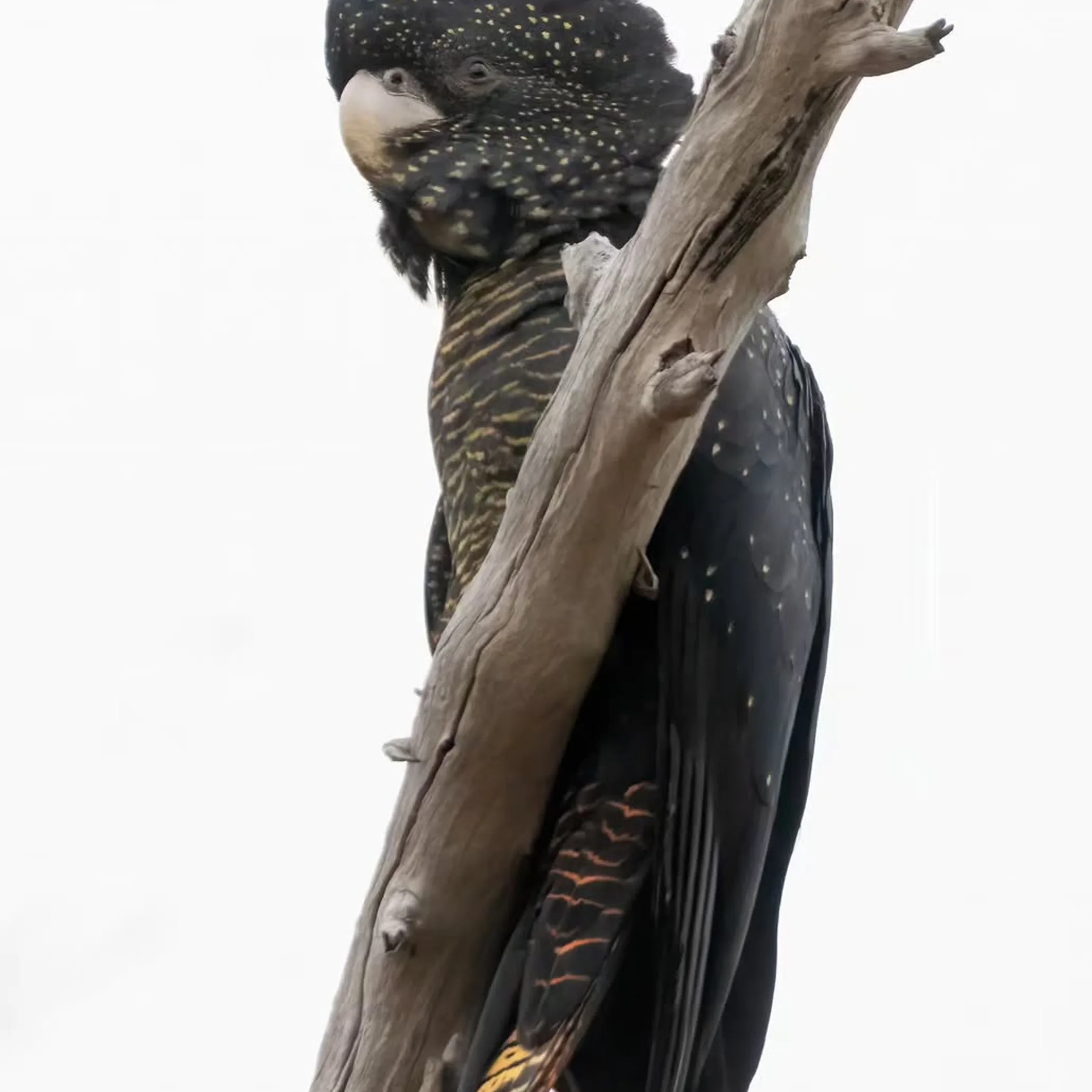
An animal in your path can mean a broken grille or worse, a fatal accident if one swerves at speed. The problem is not so much the beast as the reaction: over-correcting, a hard stop, drifting off onto unsealed ground or into the other lane.
What is disarming is how normal everything seems beforehand. You have a flat road, the podcast is on and hardly another car in sight, then in a split second the mood shifts. Highway safety is a case of bridging that divide between calm and chaos.
Reality Check
You may think you will have ample warning to react to wildlife. In truth they come out of the scrub or a table drain without notice and a big kangaroo or wombat can do its work in no time. Koalas are not as much of a feature on the main highways but are to be found on forested country. And a wombat is low and solid, making them hard to spot after dark and rather nasty for a vehicle. They are not as harmless as they look; a wombat will put an end to your day quicker than a radiator hose.
Do Your Planning
Before you are even out of the driveway you can make the trip safer. I do not just count the kilometres when I put together a regional run. I consider where the road gets narrow, when I will be tired and whether I have inadvertently put myself behind the wheel at an unseemly hour.
And leave some margin in the schedule. People will plan a long day and then make allowances for nothing, forgetting the toilet breaks, the town traffic and how driving in the bush takes its toll even on a level road. A six hours can turn into eight before you know it and put you in bad light. If you have a single day for a long haul, get to your overnight stop before the sun goes down. There will be time for the historical signs later, but you do not want to be dealing with wildlife in the dark.
Make Sure You Have Coverage
Between the bigger centres your phone signal can disappear. Make sure it is charged and let someone know where you are going. For those in a hire car from the likes of Drivenow, Ace Rental Cars or Cruisin Motorhomes, have a word about roadside assistance terms first. Towing or in a campervan means you need more room to stop, so you have to be on the ball about slowing down in the right places.
And put in a pre-trip check of the vehicle. It is not much fun to be left with a steaming bonnet and a scared toddler in the back by the side of a rural highway. All the more so if you are bound for the western plains and the like. There is nothing exciting about the fundamentals, until they come to your rescue.
Pre-Departure Checklist
- See to the tyres (pressure and tread) and the spare as well.
- Put fuel in the tank a little ahead of when you would normally bother.
- Make sure the windscreen, mirrors and headlights are spotless.
- Give the high beams, brake lights and indicators a test.
- Inspect the wipers and top up the washer fluid.
- Have some water and snacks on hand along with a torch, first aid kit and phone charger.
- And put any loose things away so hard braking does not make them into projectiles.
- Do not forget to have your roadside assistance details to hand.
Rural driving will at times bring up the subject of a bull bar. While it might see off some of the damage from an animal strike, it is no replacement for being alert and driving with due caution and at a sensible speed. One can be strangely overconfident in one’s equipment and lose sight of the fact that behaviour is what counts.
Choose Safer Driving Hours
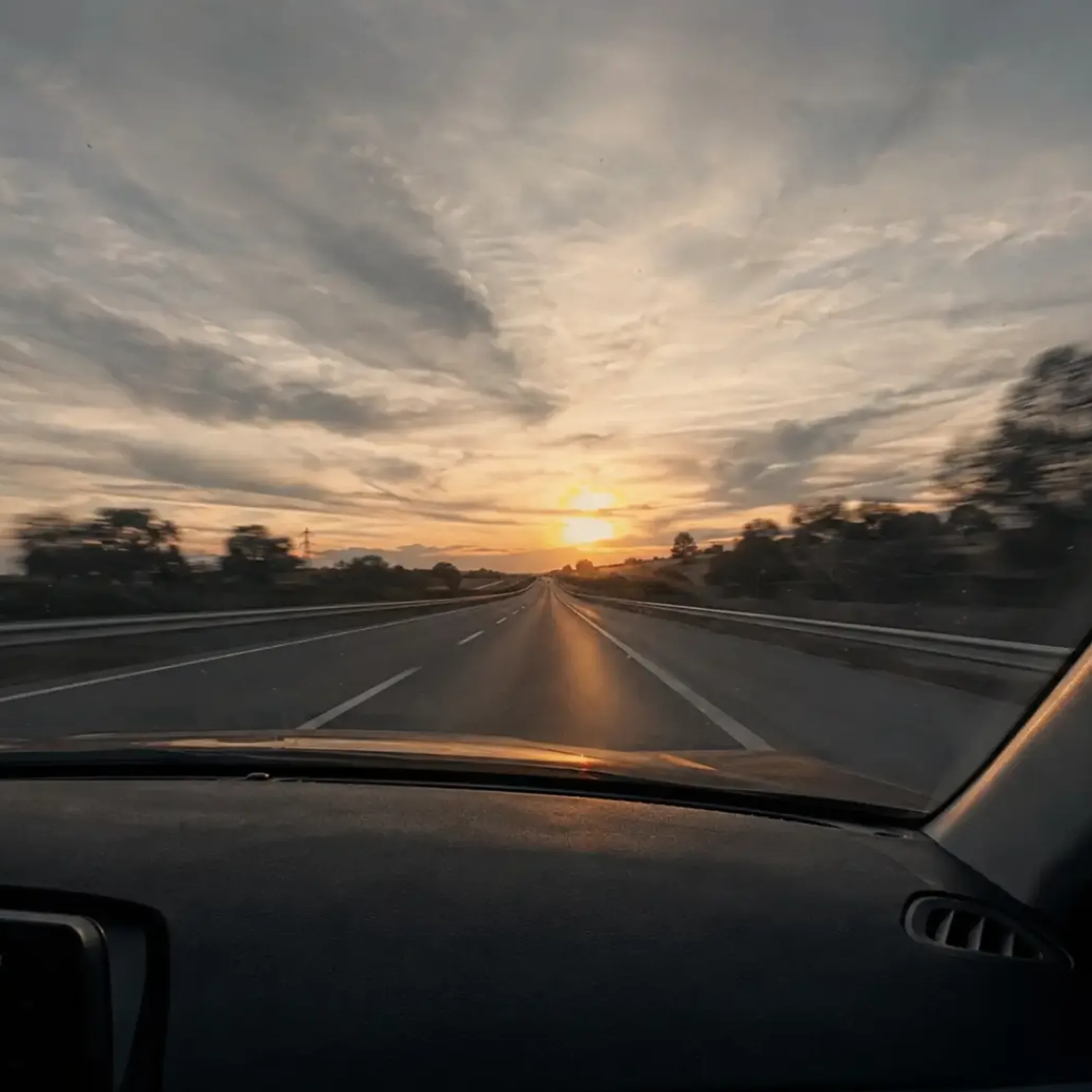
The way to sidestep the risk of a kangaroo collision is straightforward: do not drive at dawn or dusk if you can help it. You will find visibility is not in your favour during those low-light hours which are when many species are most active.
Then there is night driving. Your high beams will improve what you can see on a rural road but they do not shorten your stopping distance nor do they render wildlife any more predictable.
Dawn, Dusk And After Dark
Changing light makes animals harder to judge and more of a hazard. The verges are full of shadows, contrast is lost on the road and your eyes will tire quicker than expected.
Should you have to be out and about at these times, slow down in signed areas or where the vegetation is thick, by creek lines or where the rain has put on new green growth. Be scanning the verges, not fixated on the middle of the lane like a mullet. Spot a kangaroo and put in an appearance of others; they seldom travel alone.
Highway Tactics
On a rural highway good roadcraft is steady and unremarkable. It is the kind of disciplined driving that gives you room to react and which no one is going to be boasting about at the servo. Such habits are what make the difference for safety with highway wildlife, particularly when you are touring long distances or on a route you do not know.
Read The Road
Do not just take in the scenery of an animal warning sign, act on it. Be more circumspect near scrubby shoulders, paddocks and water. On a dark road with no oncoming traffic the high beams have their use, but dip them in good time for other vehicles. Watch for silhouettes past the white line, eye shine or something stirring in the grass. Do not let your gaze become fixed.
When An Animal Puts In An Appearance
Put the brakes on in a straight line and as hard as you can. Resist the urge to swerve, at highway speed this could mean you hit another vehicle or lose control, either of which is preferable to the strike. Sound the horn if you must but keep the car stable.
A last minute bit of dramatic steering is what most are prone to do. It seems the thing to do, yet it may send you into the gravel or the unsealed edge of the road or in front of a truck. A poor bet on roads with heavy vehicles and road trains.
What To Do
In the event you have made contact with an animal or see one injured, the order of business in the next few minutes is important. First your own safety and that of your passengers, then managing the traffic, and only then tending to the animal if you can. Panic is the usual response in such circumstances and thinking clearly is not.
After A Collision
- Get as far off the road as you can once it is safe.
- Hazards on.
- Make sure you and your passengers are all right.
- If you cannot drive the vehicle, put some distance between yourself and the traffic and make a call.
- Leave a large injured animal be unless you can approach without risk. For a pouch animal put in to local wildlife rescue. New South Wales residents will know of WIRES. Elsewhere get in touch with the local service or police, or your roadside provider. A domestic animal calls for the vet or council. If you are in doubt as to who to put on the phone and there is an immediate safety issue, emergency services will tell you.
You would not think the expression “what to do in case you hit an animal” has a clinical ring to it, but once it is upon you you understand why people are so on edge in its wake. The thing to do is stop and put your mind at ease; do not put off the mundane safety procedures or keep on driving in a bid to put some distance between yourself and the incident. Stop, have a look around and reset.
Fatigue Management
There is more to managing fatigue behind the wheel than the risk of nodding off. Sluggish reactions, poor lane discipline, failing to see a sign or brake in time are all part of it, and that is of great import when wildlife has a way of materialising out of nowhere.
One is prone to the error of saying “I am only a little flat, not really tired”. I have been guilty of it. Yet that is precisely when one’s concentration will start to pack up.
A Rest Stop Worth Taking
It is preferable to make short rest stops of a regular nature than to attempt some heroic effort. Put down the coffee (it is no substitute for sleep) and the chips in the cup holder (neither is a valid fatigue strategy), get out of the car, stretch your legs, use the dunny and let your eyes have a break.
As for sleeping in the car, the law is different from place to place and hinges on local council edicts, signage and safe parking. But if you are past the point of going on, it is wiser to find somewhere legal and safe to halt. In towns or coastal no-camping areas be sure of the restrictions.
Trouble Spots on the Route
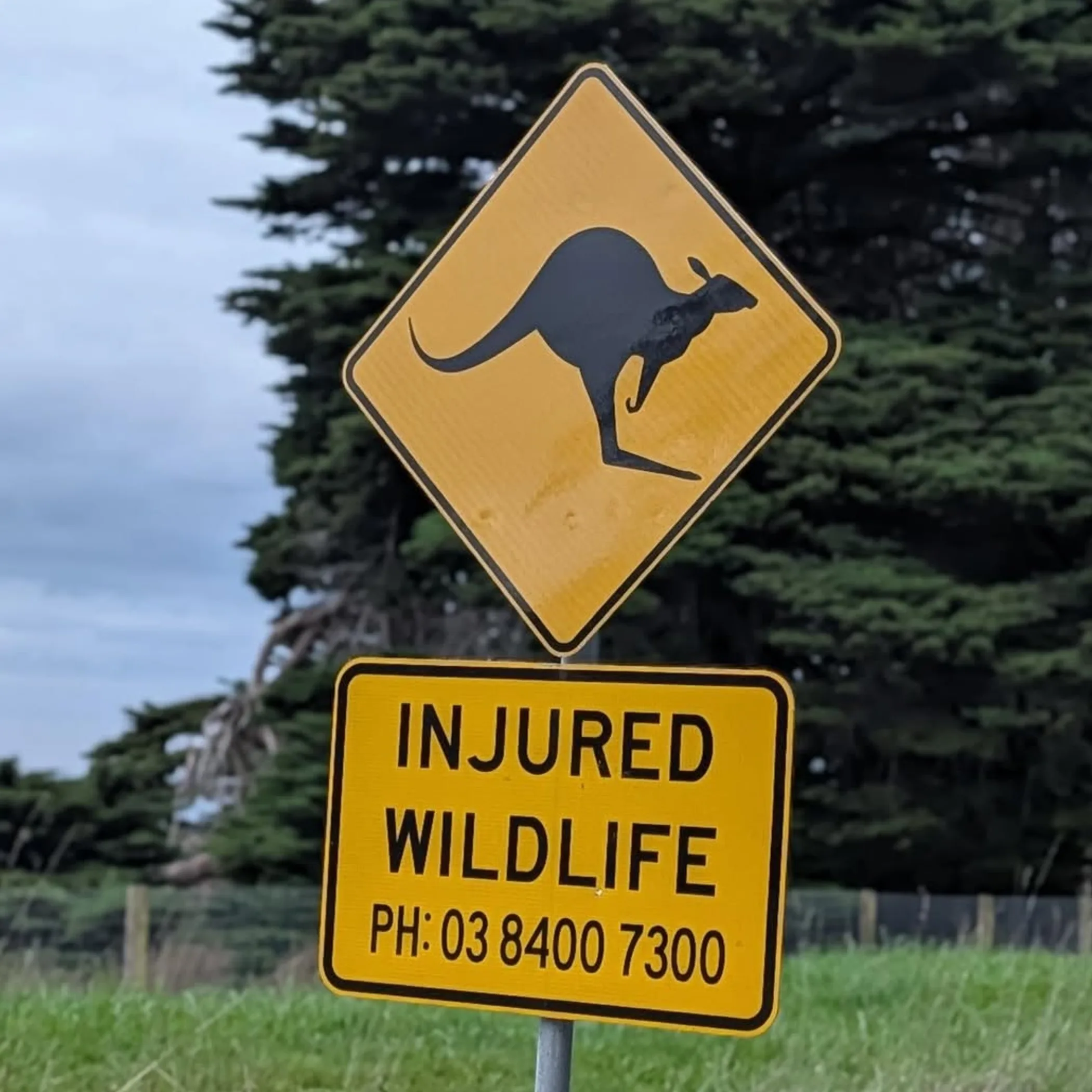
Your choice of route will have a bearing on how safe a road trip from Melbourne to Adelaide is. An inland run is not the same as a leisurely meander by the coast; each brings its own set of risks be it the weather, overtaking or animals. With the latter there is a lure to hurry because the road seems simple enough, but they can be deceptively so. You have the long unvarying stretches and the light will be against you should you go too early or stay out too late.
By the Numbers
| Route Section | Typical Distance | What to watch for | A word of advice |
| Melbourne To Ballarat | 115 km or so | The traffic, speed changes and impatience | Time your departure to sidestep the worst of it, but do not be out in the rural dawn later |
| Ballarat To Horsham | In the region of 190 km | Weather, judging an overtake and creeping fatigue | Reconsider your timing here before heading west |
| Horsham To Nhill | Some 95 km | Monotony, verges where you may find wildlife and the fading light | Do not be lulled into thinking a shorter leg is less of a risk |
| Nhill To Bordertown | 70 km | Animal movement and border fatigue | Exercise some discipline with your speed and spacing |
| Bordertown To Adelaide | 270 km | A tiring last bit and city traffic | Make a proper stop of it instead of trying to just see it through |
These are rough figures; roadworks, the elements and traffic will alter your times. For those with young ones or older drivers who are not accustomed to long rural drives, an overnight split is the more agreeable and sensible way to go.
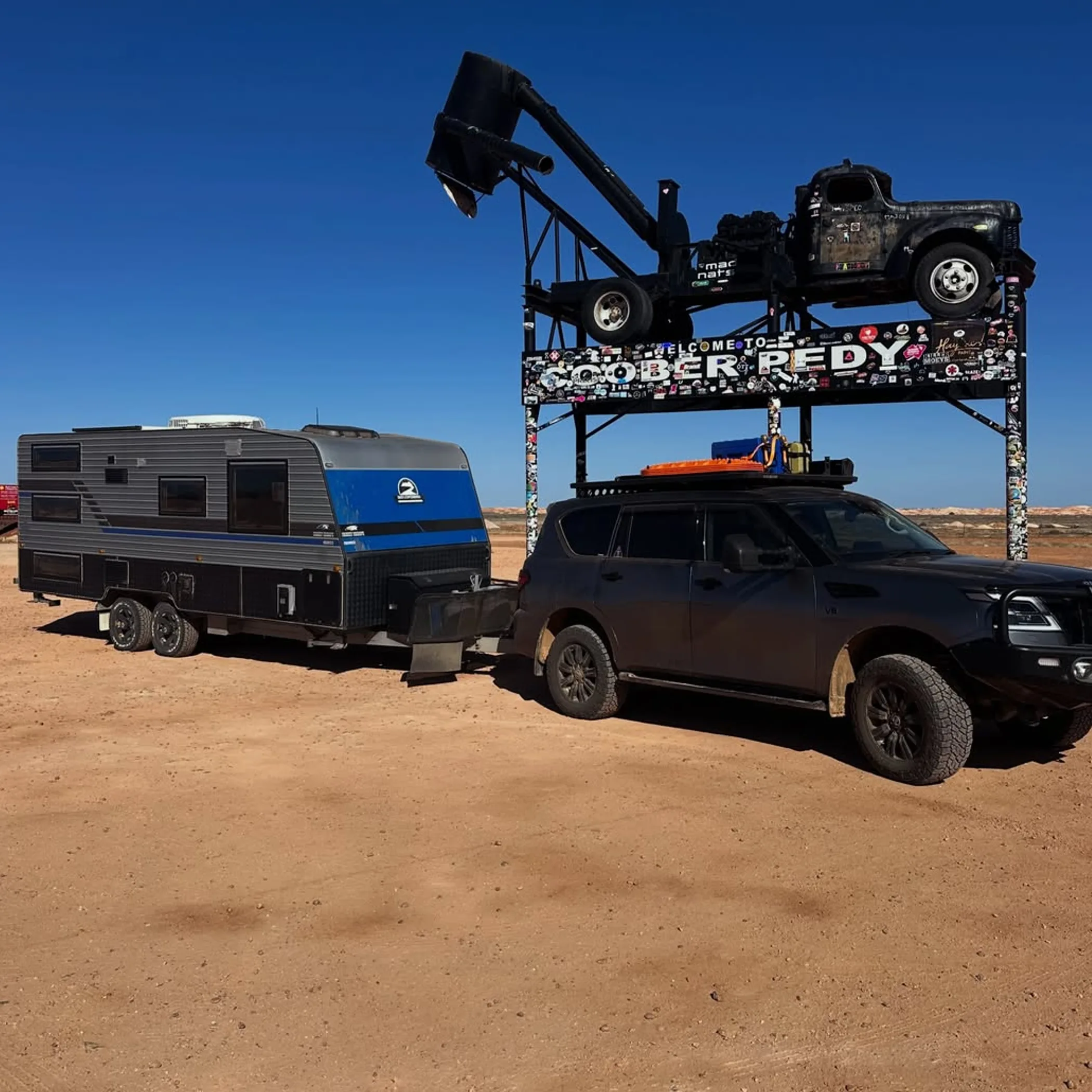
Elsewhere in Australia the landscape dictates the wildlife. Be it the western plains or the Orana, Dubbo and Bathurst country, you will encounter varying mixes of open-road weariness and heavy vehicles and the like. RACV and RAC WA and the state transport authorities have sound advice for a longer outing, even if the basics do not change.
Reliable Support
A laminated spreadsheet and a dozen apps are not called for, yet you want some resources you can put your trust in. With the right planning the stress is taken off and there is room in one’s head for the job of driving.
Australia.com will provide some ideas on where to go, but when it comes to matters of safety I would put state road authorities, a check on the weather and your roadside assistance ahead of that. Inspiration is all well and good, as is not having your vehicle break down in an area with mozzies the size of small aircraft.
For Whom This Is Intended
Self-drive types, families, those on an interstate holiday or in a hire car will find this guide of use, as will anyone putting in the medium to long kilometres of a region. It has particular relevance for the unaccustomed to rural roads, night time behind the wheel or sharing a highway with heavy freight.
Then again, for the sort of remote touring you do in the Top End or Red Centre, or along the Pilbara and Stuart Highway, or on a no-nonsense track like sections of the Gibb River Road, this may be insufficient. In those parts isolation, permits, fuel range and the elements demand their own kind of planning.
Be Sensible
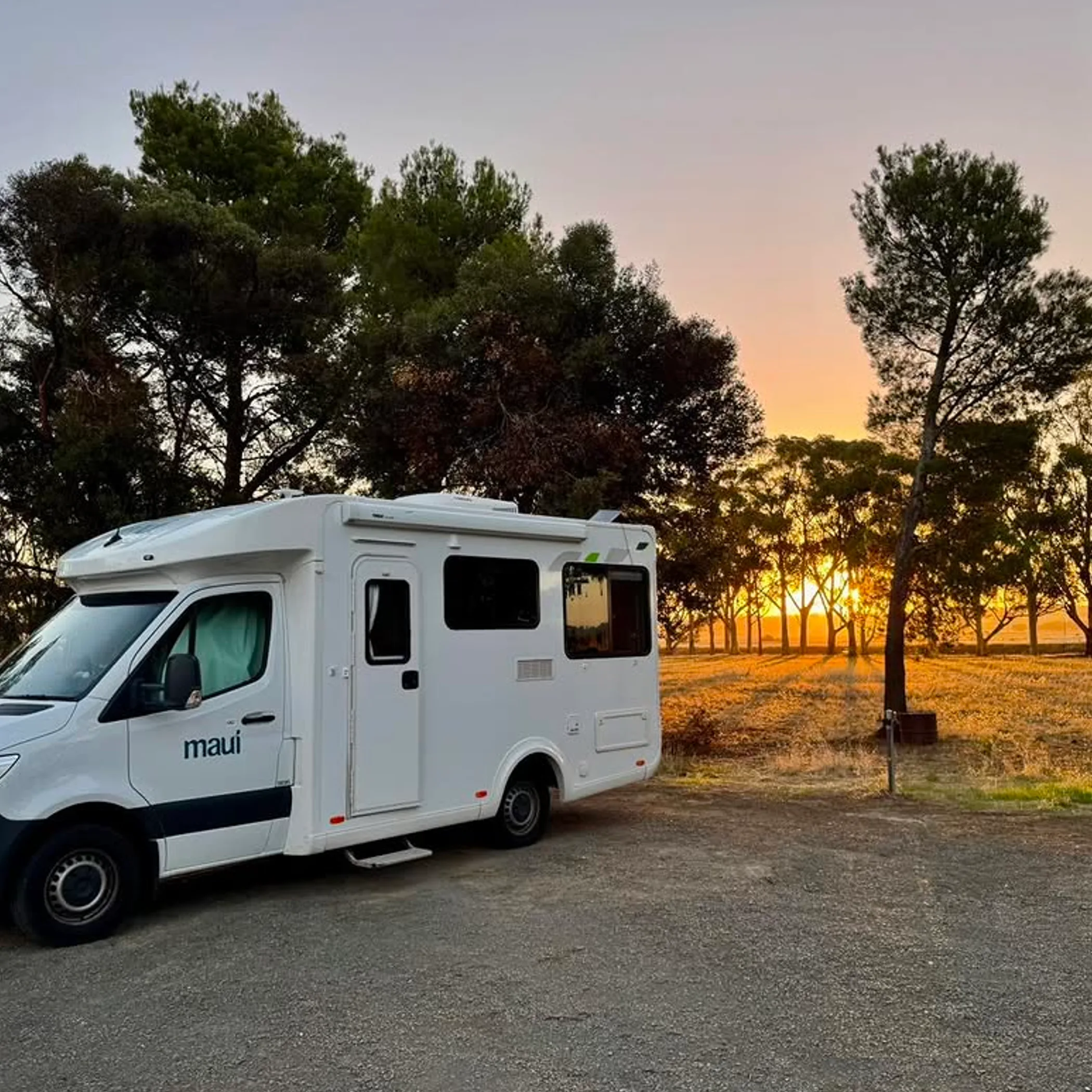
There is nothing elaborate about the way to be safe with wildlife. Make of your day what you will so that you are in a roadworthy vehicle and have the humility to put in the rest and pull over if things become mundane; drive at a sensible speed and in good light. That in itself will see you clear of most of the risk that is avoidable.
As Lyra Fenwick would have it: put in the dull prep, allow yourself more time than seems necessary and do not let the urge to put twenty minutes back on the clock make you of a poor decision. An Australian highway can seem very placid before it is not.
FAQ
The 5 C’s Of Safe Driving
Depending on the program the 5 C’s are not set in stone, but they come down to being calm, in control, courteous, concentrated and careful. On a country highway you show it by giving yourself a safe following distance, heeding conditions early, not making any sudden swerves and slowing down in wildlife country.
Is it legal to sleep in the car?
In some cases. You have to take into account the state and council rules, the signage and whether you are lawfully and safely parked. If you are running on empty it is better to find a place you are allowed to be than to force it. Have a look at local restrictions beforehand.
10 Golden Rules For Road Safety
If you want a workable list it is to plan ahead, be on the alert for hazards like wildlife, adjust for the light and weather, keep safe gaps, maintain the car, do not drive under the influence, put your seatbelt on, shun distraction, get on top of fatigue and observe the speed limit.
Drinking water while you drive
You will not run afoul of any national ban, but general road rules will see you in trouble should it compromise your control of the vehicle or prove a distraction. The easy answer is to make use of a rest stop for a proper drink.
How to sidestep a kangaroo
Do not be out and about at dawn or dusk. Put on the high beams on a dark road, slow in signed areas and if you spot an animal, brake in a straight line. A violent swerve at the last moment is not the answer. After the first one you will want to remain wary, there is likely another close by.