SEO Title
Uluru Heat And UV Safety Tips Worth Heeding
More than is commonly appreciated, one’s safety from the heat and UV at Uluru is important. Put simply, when you are in hot weather at Uluru, get your outdoor activities done early, have more water at hand than seems necessary, put on decent coverings, see what the park has to say in their alerts and don’t make an issue of pushing the heat for want of it. The unprepared will find the Red Centre to be as tough as they come.
Lyra Fenwick here. You learn things from travelling in Australia; even a well known spot has its way of catching you out in the most prosaic manner. A walk around the car park can become dehydrating and full of glare, a short distance seems much further with the sun on you. One does not go to Uluru to wing it with a cap from the servo and a warm bottle of water.
A Quick Summary Of Safety
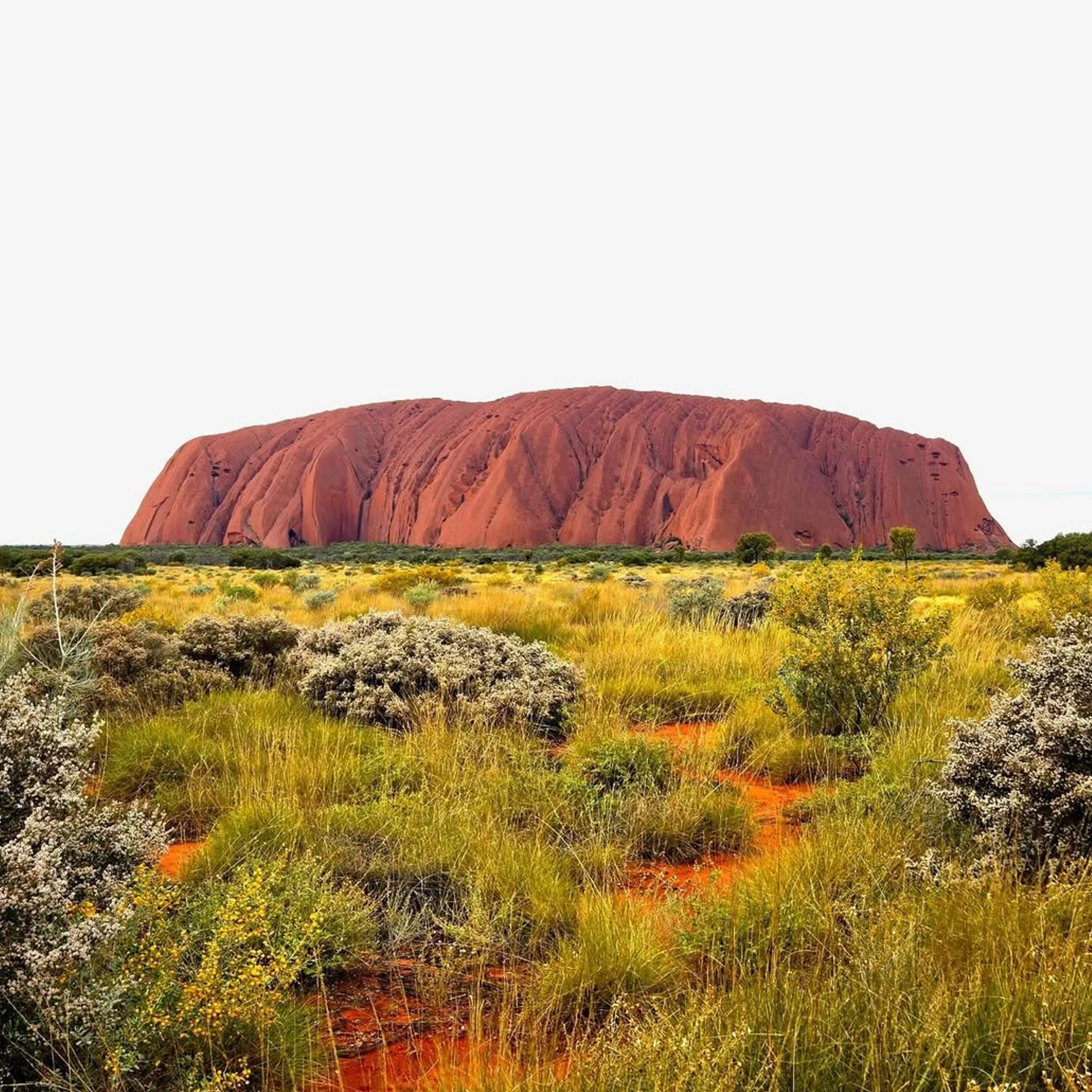
Read nothing else if you like, but this. Do not think of Uluru sun and heat safety as a summer concern alone; the UV can be as unforgiving in the morning as the air is mild.
Then there is the combination of a flat track that tempts you to press on, open exposure, reflective ground and dry heat. In Uluṟu-Kata Tjuṯa National Park, understanding the best Uluru visiting seasons ensures a more comfortable experience, those who know better do not consider a short walk a mere jaunt for a snack.
Make an early start and be done with any exposed walking before the day gets too hot.
Before you set off from Yulara or wherever you are staying, look up the conditions and any track closures at Uluru.
Have plenty of water to hand. The local authorities would tell you to put down 1 litre an hour per person on a hot walk.
Put on some SPF 50+ and a broad-brimmed hat, proper footwear and something light and loose.
At the first sign of heat exhaustion, stop. There is no merit in “pushing through”.
Should a trail be closed on account of the heat, so be it, and make other arrangements indoors or in the vehicle.
The Harder Climate
You lose fluid without thinking about it at Uluru because the sweat dries in a hurry. On a clear day the sun is unfiltered and the air is arid, not to mention the lack of shade in some of the more exposed areas.
With a UV index that runs from severe to extreme, a case of sunburn or heat strain can come on quicker than is anticipated by the visitor from overseas or a cooler part of the country. To call the environment potentially hazardous is no exaggeration.
Reality Check
One might think “I’ll be alright, it is not a long track.” But factor in the photos, the children, the fly nets, a trip to the loo and someone who has mislaid his hat and it will take longer. Or you may not feel the heat in the morning, but the UV is already high and the rock and ground will be holding onto it all day. That is where people are taken aback.
What is Missed
To view Uluru as you would an outing in town is the principal error. In town you can retreat to some air conditioning or put in a call for a ride. The heat and the distances around Yulara and Uluru alter the equation.
Glare is another thing to be had in small measure. Here sunglasses are good eyewear to cut the fatigue of squinting and let you gauge how you are faring, not an affectation.
Better Timing
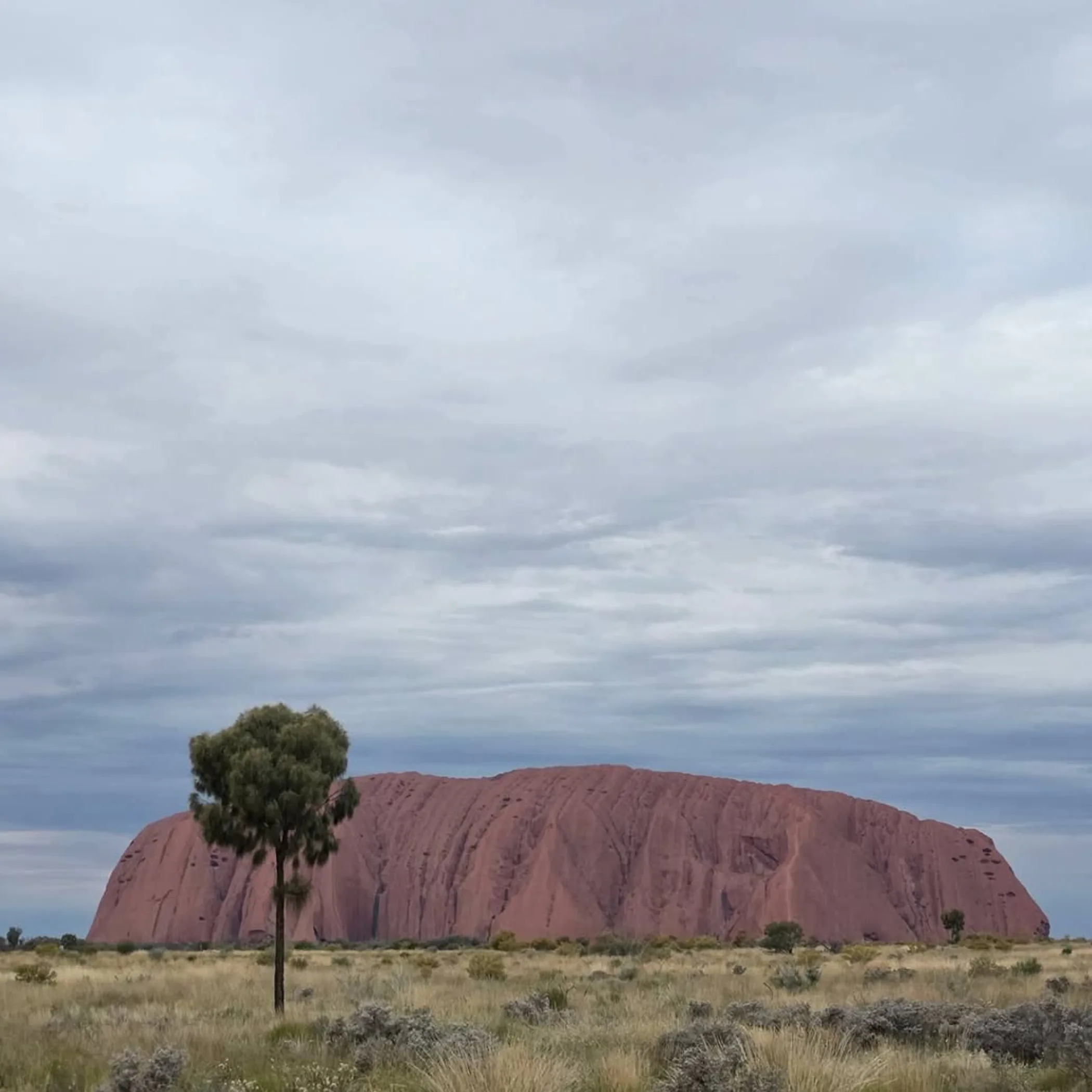
There is an easy safety win in putting in the time to plan your visit. The shoulder seasons offer a great deal more in the way of comfort and usable hours of the day.
For the most part the cooler months are more accommodating of a lengthy time outdoors. A summer trip to Uluru calls for less ambition and a sterner approach to planning. Make no mistake, there is no heroism in having to manage the heat on your holiday.
As it is on the ground
Come the cooler months you can put in a sunrise or morning walk on foot without your face feeling like it is in an oven. When it is hot, particularly in a heatwave, you would be ill advised to be out walking by late morning. When the object is to put in some time outdoors with the children or elderly relations, to do a bit of photography and walking, you will find the milder months are preferable for a trip to Uluru as opposed to the height of the heat. Should summer be what you have to work with, then temper your plans and make shade, rest and water the focus of the day.
| Travel Period | What it is | Best used for | Things to watch |
| Cooler Months | You get longer outdoor windows and a more agreeable morning | Sightseeing days of any length, walks, seeing the family | The odd cold start and popular times that are busy |
| Shoulder Conditions | Temperatures are mixed but there is flexibility | A balanced itinerary, an early or late walk | Midday can see the heat run up fast |
| Peak Heat | The window for safe activity is considerably reduced | A scenic drive, something cultural or a brief sunrise | Risk of heat illness at Uluru and closures |
Plan Early
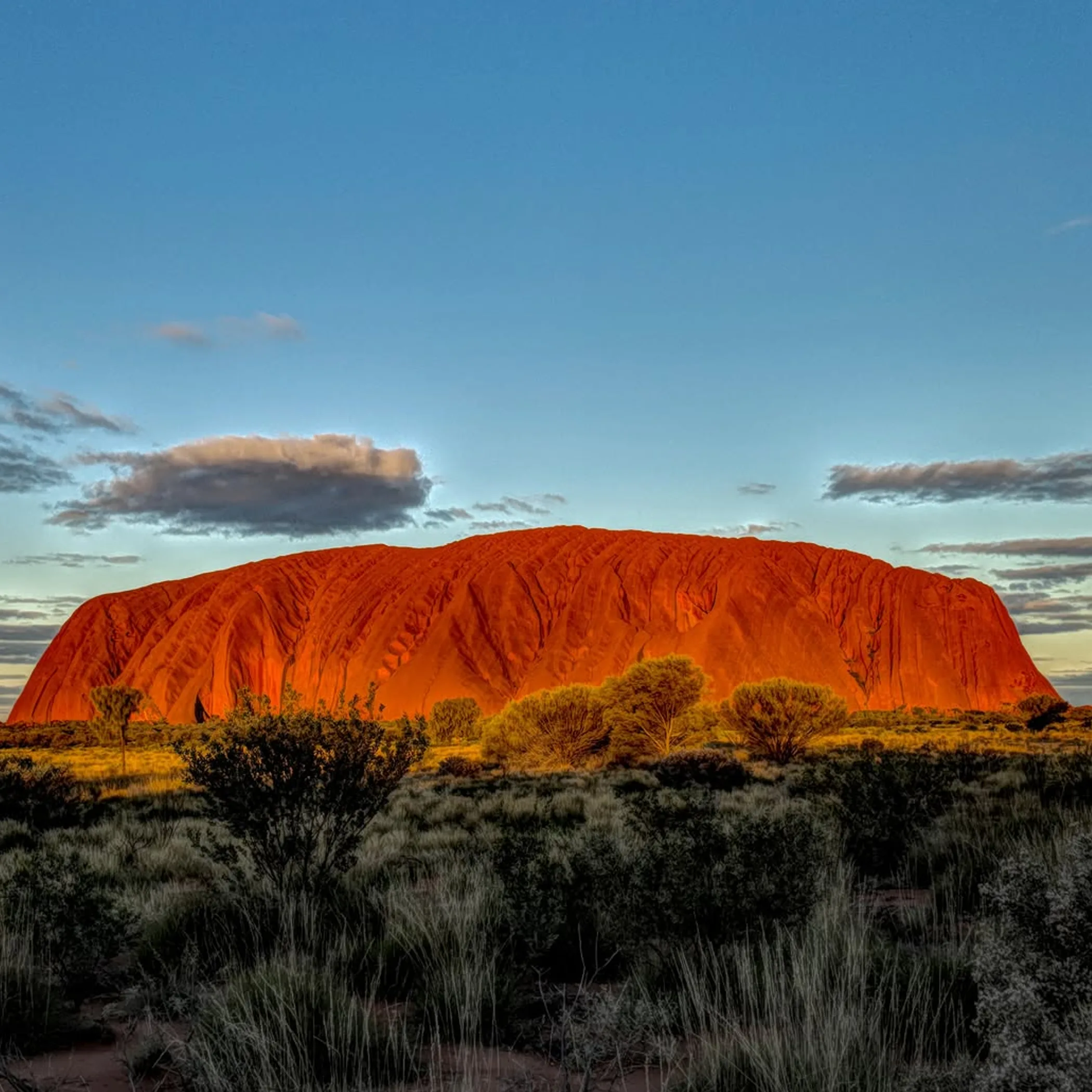
There is no glamour in the most effective safety practice at Uluru: an early rise. It is sound advice to have hikes under way by 11am, though in hot weather I would put in an exposed walk well before that if it was to be done properly.
Then come midday and it is prudent to have left the track and be in the shade or air-conditioning with food and drink. The bush is not in the habit of handing out medals for overexertion one could have done without.
Keep to Realistic Timings
One day is all you have? Make the most of the sunrise and a good morning walk, take a proper break in Yulara or where you are staying and put in a cultural activity or sunset later on. You are better off with that sort of rhythm than attempting to fit every track in during the harshest hours.
As for getting about, the majority put in an appearance via Yulara, be they on their own behind the wheel or making use of a hire car or tour after flying in. There is parking to be had at the main visitor spots but having a car does not mean low physical demand; step out of it and the conditions will tell you otherwise.
Closures Happen
Do not be surprised to see 36°C trail closures mentioned in the context of local safety when the heat is dangerous. Before you set out, check in with Parks Australia for the state of the park as thresholds and alerts are subject to change. Their Uluṟu-Kata Tjuṯa National Park information is the official word on safety and the first port of call to see if a walk is sensible or not.
Hydration
People will still go about it the wrong way despite the simplicity of the matter. They carry insufficient water, are already a little dehydrated and then ration it like they are in the Simpson. One should drink and have enough to spare.
The Northern Territory heat and sun call for a practical approach to exertion, hence the local recommendation of a litre an hour on a hot walk. Do not think of it as some wellness exercise.
Carry What Is Needed
On an exposed short walk I would rather have too much and be mildly put out than be properly crook for want of it. A hydration pack spares you the bother of small bottles, handy when you have cameras, children or a hat to contend with.
Get your intake in from the start, not in one go and be done with it. Something steady through the morning is better, and eat something of substance, not just coffee and good intentions.
Some Need to Be More Cautious
A conservative plan is called for by those with heart or kidney issues, the pregnant, older folk and families with young ones. Nor is this a place for a novice to put his fitness to the test in the middle of the day.
Should anyone in the party say he is feeling “a bit off”, heed it. You can put right a heat problem at the first wobble, far easier than once it has become a full crash.
Appropriate Attire
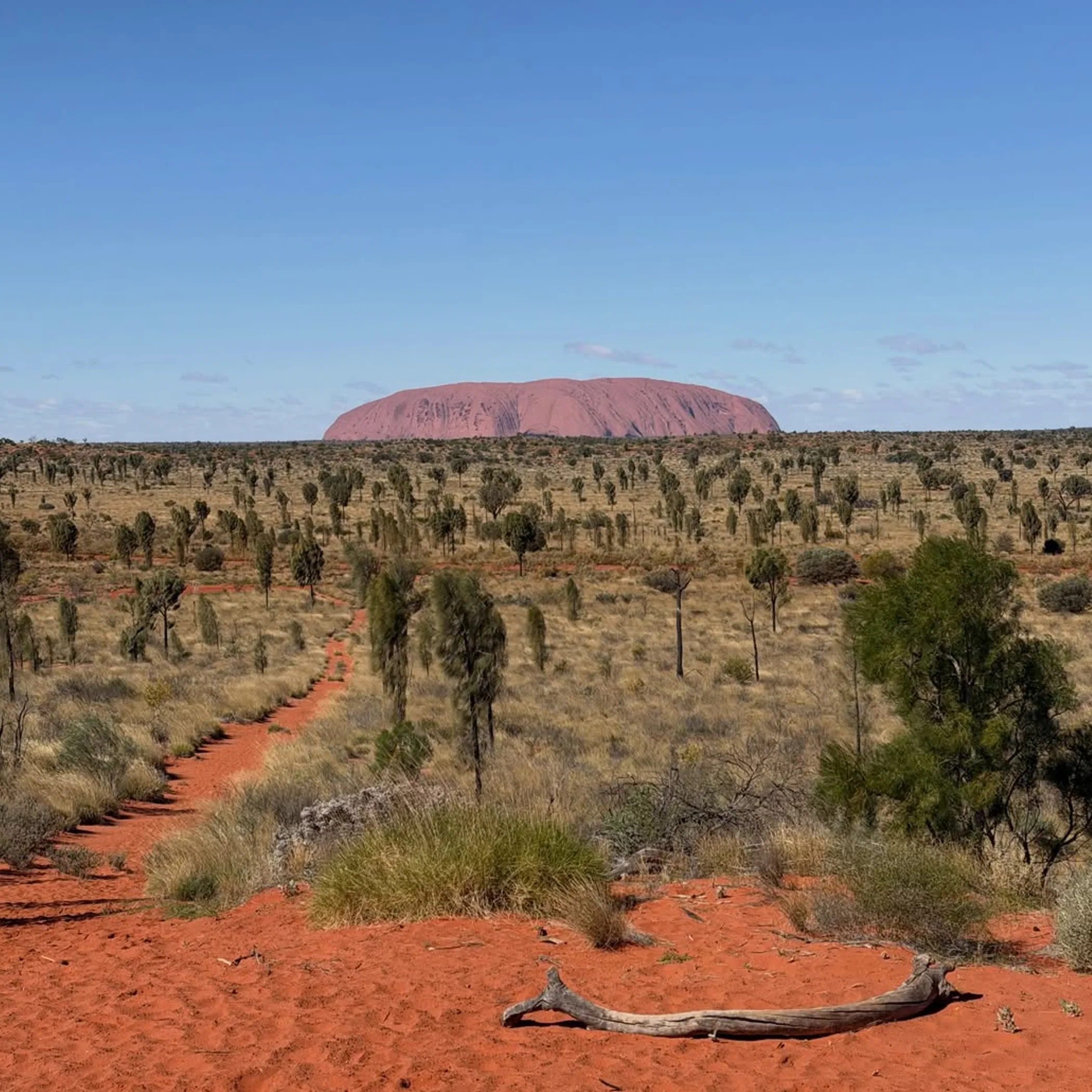
After packing for the photo opportunity rather than the weather, the question of what to wear is asked. You need footwear and gear that will stand up to being sweaty and dusty, as well as sun coverage and airflow.
Let your clothes do some of the heavy lifting for Uluru sun safety; sunscreen is important but not the whole of it.
The Ideal
Something loose and light for the shoulders and upper legs is hard to beat. And a hat with a broad brim will protect the face, neck and ears which are the first to feel it, unlike a baseball cap.
Put on your SPF 50+ sunscreen prior to going out and reapply in accordance with the product instructions, particularly if you have been sweating. Make sure you have some closed walking shoes with a good grip and sunglasses that offer proper UV protection; thongs are for the poolside, not the open tracks of the Red Centre.
Small Comforts Matter
There is more to be said for lip balm, a light long-sleeve top or a small cooling towel than one might think. And while a fly net will not do anything for the UV, it is worth having to preserve one’s sanity when the mozzies and flies are about. I make a point of leaving an extra hat and water in the car. Button the terrier has shown me that being prepared can seem a bit of a fool’s errand until such time as it is not.
Know Heat Illness Signs
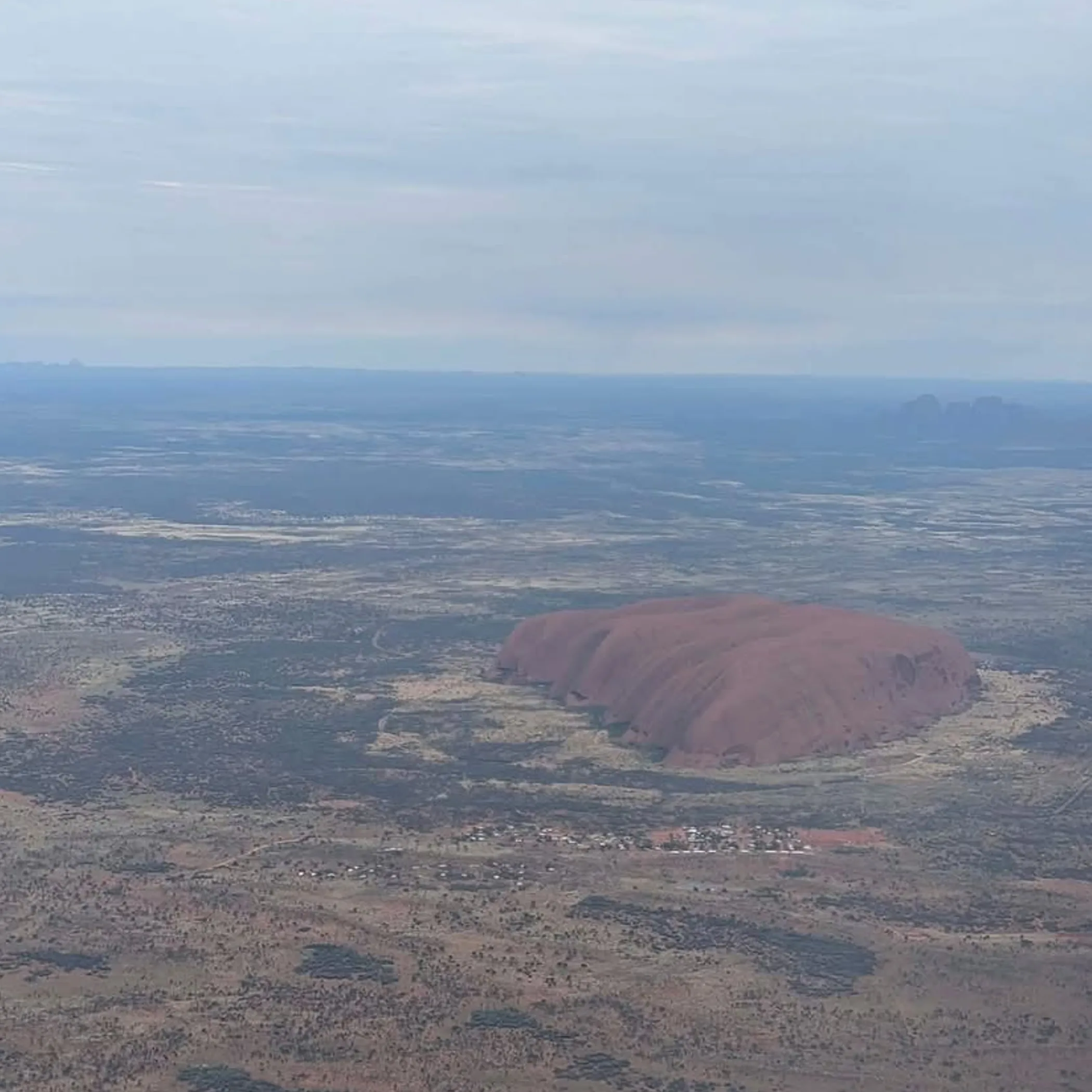
One must appreciate the distinction between danger and mere discomfort. At Uluru a case of heat illness will often present itself with symptoms that appear unremarkable and are put aside by those loath to alter their plans. Get to know the warning signs before you get there; they are easier to recall in the shade and with a clear head than on a hot track with someone turning pale and irritable.
Heat Exhaustion Symptoms
Clammy skin, dizziness, nausea, headache, muscle cramps, weakness and profuse sweating are all typical of heat exhaustion. In a group it is easy to overlook if a person becomes uncharacteristically quiet or tired. The course of action is to halt, put the person in the shade or somewhere cool, have them take some sips of water provided they are not vomiting and are alert, and use water or wet cloths to cool them off while loosening any clothing.
Heat Stroke First Aid
With heat stroke you are dealing with a medical emergency. Should you see red hot skin, very high temperature, seizures, collapse or confusion, call for help without delay, do not wait for them to recover of their own accord. Move the individual to the shade and cool him or her down fast. Reception is patchy in some of Australia’s more remote areas so be sure of your location and get assistance from staff or other visitors right away. Those with Ayers Rock Resort or a commercial outfit like Uluru Segway Tours should enquire ahead of time as to their emergency and heat safety protocols.
Pack Smart And Stay Connected
A measure of unexciting preparation goes a long way to avoiding drama. There is no need to pack for an Antarctic expedition but your bag should be able to handle communication, basic first aid, the sun and water. Yulara may have its accommodation and supplies but you have to be self-sufficient for what you are doing once you are out. A shop in the vicinity is not instant help.
Take your water, snacks, a broad-brimmed hat, SPF 50+ and sunglasses on every outing.
Have a phone with a full charge, but do not count on reception being flawless.
Put the emergency numbers in before you depart.
If you are off early or on your own let someone know where you are heading.
Make use of the toilets and refill points at hand instead of presuming the next one is round the corner.
Following Travel News, Destination Stories & Lifestyle Guides: a checklist we actually use ensures you carry enough water, sun protection, and emergency items for desert conditions.
Swap Plans If Needed
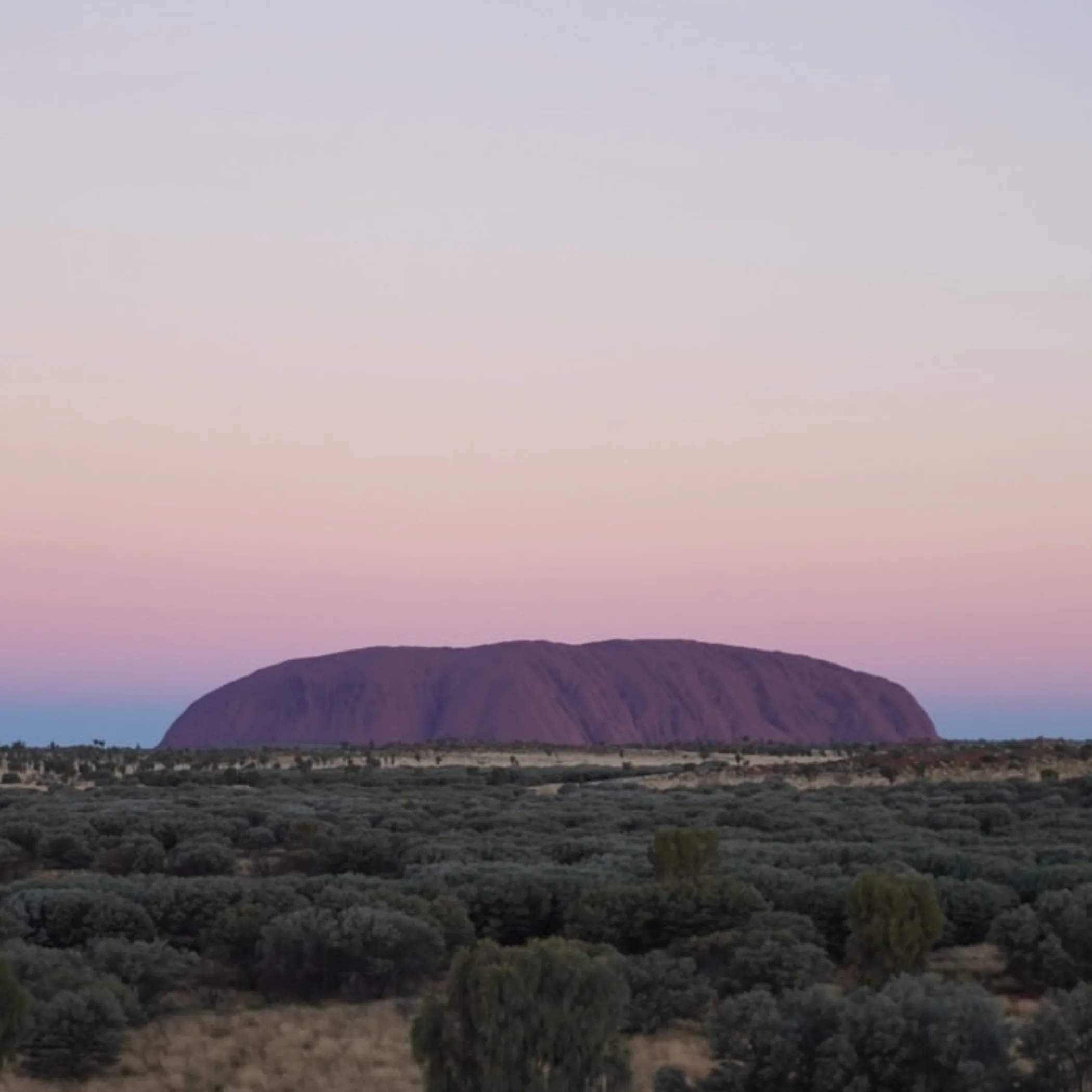
If the walk is off limits or the heat is onerous, there is no call for sulking in the car park. Pivot, that is the answer. There are safe alternatives that will make for a good day of it without you having to become a cautionary tale.
Take the low-risk route: put in some time at a cultural centre, go for a sunrise or sunset, or if rangers have something on offer, do one of their activities. A brief scenic stop with some shade and an eye on the clock will do. The logic is not unlike RACV road trip planning: see to the vehicle and the people, and pare down your itinerary before the weather has its way with it.
Best Pick For One Day
Hot conditions and only a day to spare? Make a point of an early-morning activity and a sunrise viewing rather than subjecting yourself to several walks out in the open. Put in some rest come midday and save a final experience for the cooler hours of the late afternoon.
Most will find this suits them well, first-timers and families included. Not so much those intent on making every walk no matter what, a travel disposition one would be unwise to indulge at Uluru.
Travel Smarter, Not Harder
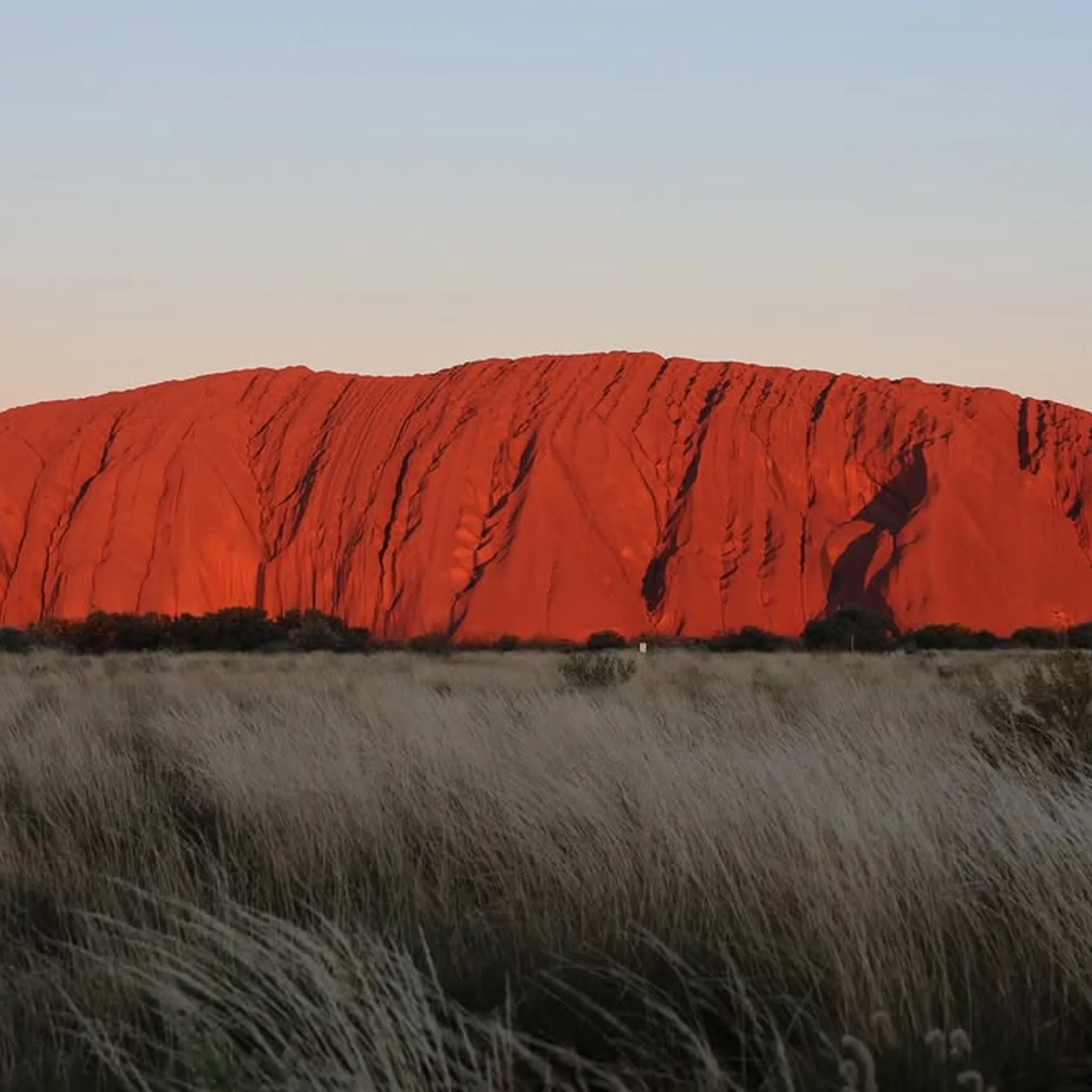
A romantic plan has no place at Uluru when a practical one is called for. Be organised and know your limits, have plenty of water, there is no need to be afraid but you must be realistic.
Let me put it this way: the trip with the bigger supply of water, a hat to match, a smaller ego and an earlier alarm is as a rule the safest. It may lack glamour but it is the way to return home with your memories intact and not have a ranger putting you right about a heat headache.
FAQ
When should one not visit Uluru?
You will not find a “never” period that applies to all, yet the height of the year’s heat can be trying for older travellers, families or those who do not take to it well, let alone for walking. Where long outdoor excursions are part of the plan, steer clear of the peak heat and make do with milder times.
How to protect Uluru?
In culturally important areas be respectful. Do not take any natural materials, put your rubbish where it belongs, heed closures and stick to the marked tracks. Part of protecting the park is to ensure you are not putting staff to an avoidable rescue or the landscape under any strain.
What to wear?
SPF 50+ sunscreen, sunglasses, a broad-brimmed hat and closed walking shoes. Go for loose and light. And in the morning have a light layer handy; the desert has a way of swinging in temperature that is not always anticipated.
Things to avoid at Uluru
Forgetting to pack enough water, leaving your activities to the hottest part of the day, disregarding a heat warning or going off-track for the sake of a photograph. A closure is not a suggestion, do not treat it as such, conditions can be dangerous.
Is a summer visit to Uluru invariably a mistake?
Not of itself, though you have to be more rigorous in your planning. You can still make it work by concentrating on the very early hours and sunrise, resting in the middle of the day and being attentive to Yulara heat advice. Some walking may have to be put aside.