There are ways to put right a damaged sewer or stormwater pipe in an older Australian home without having to dig up the garden, the driveway or half the house. But what is best will be dictated by the state of the pipe: its diameter, material and access, any tree root intrusion or collapse.
Lyra Fenwick here. I put pen to paper to demystify services that are otherwise hard to get your head around. With the plumbing in an old house one is tempted to think all ailing drains, including tree root damage to drains, require the same remedy, which is the biggest mistake. A badly displaced joint, a cast iron drain gone to rust or a clay pipe with a crack should be inspected before there is any talk of epoxy resin, putting in an excavator or being presented with a five-figure bill.
What Can Be Done With Pipe Relining
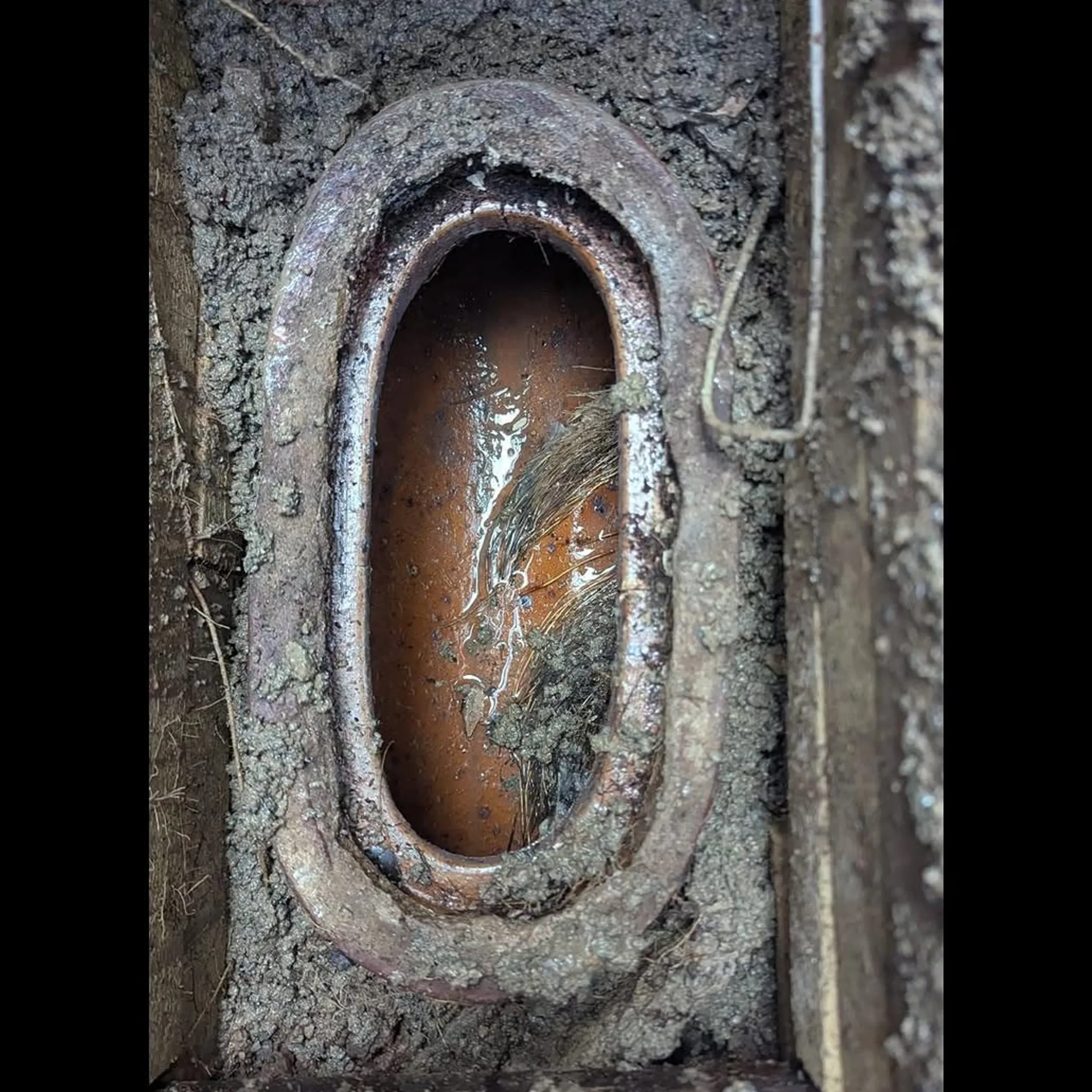
In essence it puts a new pipe within the old. The contractor will clean the damaged part and put in a liner coated in resin, curing it on site with ultraviolet light, steam or heat as the system dictates.
Most would know it as CIPP, or cured-in-place pipe lining. It is a type of trenchless repair in that you do not have to contend with the surface damage and reinstatement of excavation. Not that it is some kind of miracle; the pipe has to have the strength and shape to take the liner.
The Mechanics Of The Liner
Typically a flexible tube impregnated with epoxy resin is pushed or pulled through the pipe by the contractor. Once inflated against the wall and cured it forms a hard, unbroken inner pipe.
This will see off water infiltration and stop roots from getting in at the joints while sealing over small cracks and the like. The internal diameter is a touch smaller once complete so the contractor will want to make sure flow capacity is still adequate.
The Case For Repairs In Older Australian Homes
You will find your share of earthenware, cast iron and clay in these properties. They may have served well for decades but ground movement, bad joints, corrosion and blockages have a way of wearing them down.
Then there are the vagaries of the Australian climate. In dry times soils shrink, heavy rain can move them, and large trees will put out roots in search of water. Salt and moisture in coastal areas will hasten the corrosion of metal drainage.
Do not be fooled into thinking a slow drain is just a blockage. Some chemical treatment or vigorous plunging might put the flow back for a time but the pipe is still cracking and gathering debris.
When To Have Things Looked At
If you have sewage smells about an inspection opening, gurgling from the toilet or a wet patch on the lawn for no reason, put in for a drain camera. The same if several fixtures are running slow or the water usage is unaccounted for. Get the footage and a report in writing that lays out the pipe’s location, material and diameter and tells you if the issue is with the sewer, the stormwater or both.
Relining Clay, PVC And Iron
While pipe relining companies in Australia will work on clay, cast iron and PVC, each property is different. The pipe has to be open and aligned enough to stand up to the installation.
| Existing Pipe | Common Problems | Relining Considerations |
|---|---|---|
| Clay or earthenware | Root entry, cracked joints, ground shifting | Provided it can be cleaned and is open, it is often a good candidate |
| Cast iron | Rust flakes, scale, corrosion, failed joints | Requires a proper assessment of the shape left after cleaning |
| PVC | Construction damage, a joint out of place | Could be done, though for sections that are easy to get at replacement is the easier option |
| Stormwater | Silt, roots, poor falls, crushed areas | A question of diameter and access and how to deal with the water |
An old clay pipe does not have to be written off; if the damage is localised and the route is intact it can be relined. One that has been flattened or collapsed is another matter and calls for excavation.
Be Choosy About The Material
Find out from the contractor what preparation is in order for the existing pipe and the resin system they have in mind, and how it is to be cured. “Epoxy lining” is not much of an answer when it comes to the thickness, structural integrity or how long you can expect the pipe to last.
When it comes to PVC pipes, one might find a simple replacement the more sensible course of action in a section that is under an easily reached garden bed. Then there is relining, which has its place where you do not want to put a spade to a concrete path or internal flooring, or disturb a retaining wall, tiled area or an established garden.
Relining Or Full Replacement?
While pipe relining is an alternative to putting in a new pipe, it does not follow that it is superior to the excavation method. What dictates the choice is a matter of access and damage, of total cost and surface reinstatement, and how well the work will stand up over time.
Traditional excavation has the advantage of giving the contractor unimpeded access to the ground and the pipe. A liner can only do so much; with excavation one can put right poor gradients or a badly caved in part. The drawback is the disruption and spoil removal, not to mention the landscaping and any further damage that may be uncovered when the ground is opened up.
Compare The Main Trade-Offs
With good access, relining is often done in less time and with less trouble on the surface. Yet if the old pipe is beyond deforming, a replacement offering a new route is the obvious answer.
Do not be like most and make the comparison on the basis of the first quote alone. A low priced repair is no value at all if it leaves a collapsed section or has a tenuous warranty and does not put an incorrect fall to rights. Look at the whole scope of the job.
How Roots Enter Drain Pipes
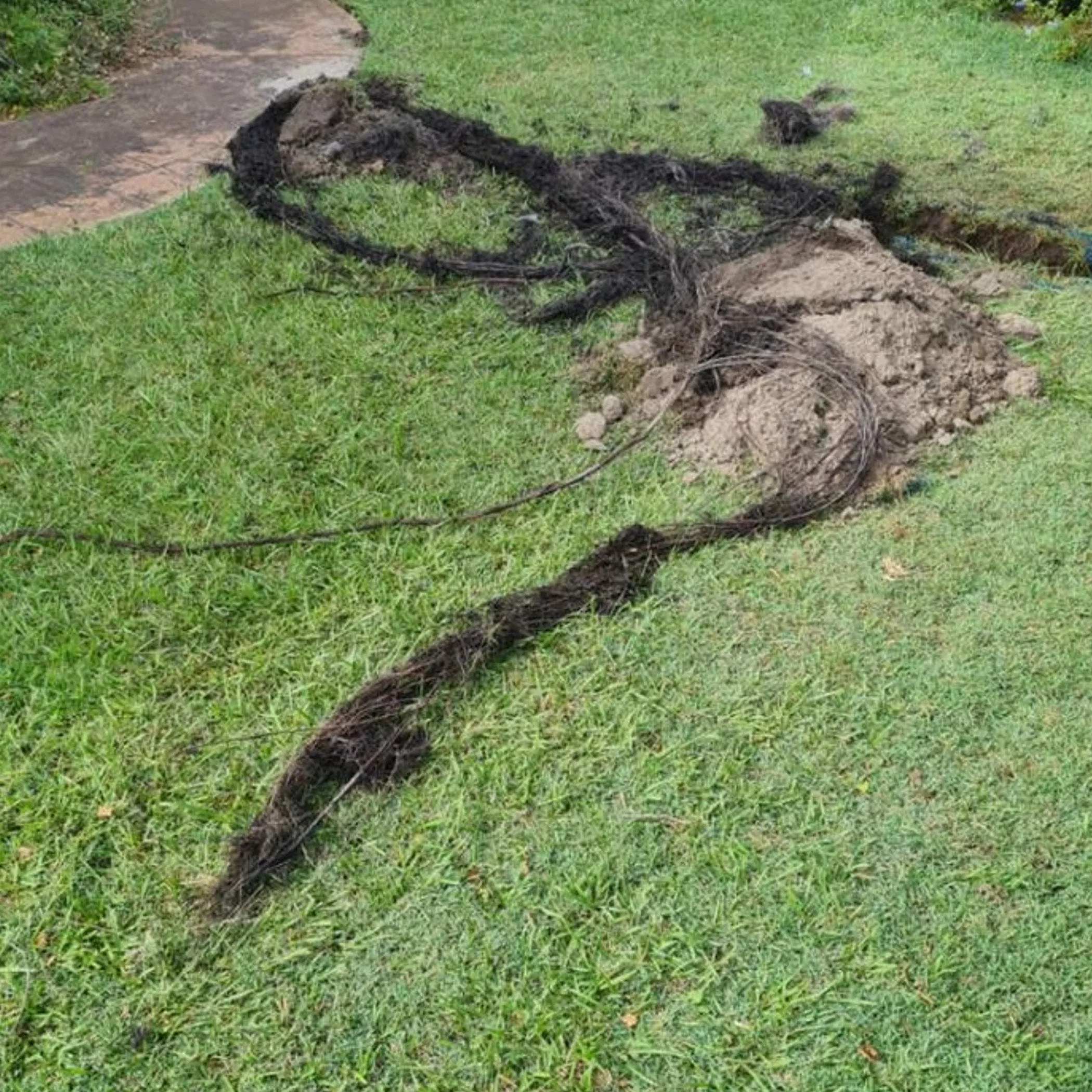
An undamaged pipe is not something tree roots are going to force their way through. They will find a way in at a crack or a deteriorated joint or some other gap and put down roots in search of what is inside the line. From there they will gather up grease, toilet paper and the like.
That is the reality of root damage. A contractor can clear the obstruction with hydro jetting or by mechanical means but that is not the same as mending the opening the roots made.
Relining Root-Damaged Drains
Once the roots are gone, relining is a way to seal off joints and cracks. The pipe has to be put in order first, usually with some cutting or hydro jetting, for the liner to be put in; hard scale or loose material will otherwise get in the way of a proper fit.
It is a repair to the pipe, nothing is done to the tree. Should the roots have made an entry in an unlined portion, expect the blockage to reappear. Have the full run of the pipe inspected and put to the contractor whether he would have a qualified arborist on hand for root management.
Australian Relining Costs
There is considerable variation in the price of sewer pipe relining from one end of Australia to the other. All manner of things will be factored in by the contractor: length and diameter of the pipe, depth, bends, the cleaning and curing involved, how much reinstatement is called for.
A short job that is easy to get at will be in the lower thousands, not a handyman’s bill. But add to the equation long runs, several damaged parts, the need to manage traffic or concrete and a figure in the five figures is not uncommon. Do not take these as a quote, only as a guide.
The average for the country is of little use to your property. You want to know the cost of putting the area back after the work is done, the number of access points and the measured length of the damage. Get it in writing.
Getting Quotes That Are Apples With Apples
- Have the drain camera report and footage, and a location plan with the relevant marks on it.
- Make sure you are clear on the lining length, the resin system, the diameter and how it is to be cured.
- See what is excluded, be it permits, junctions, excavation for access or reinstatement.
- And read the fine print of the warranty, maintenance and what is covered in the event of future damage.
For those in Victoria the Victorian Building Authority has some sound consumer information on plumbing matters. As states and territories have their own licensing and requirements, refer to the local authority when vetting a contractor.
What To Expect
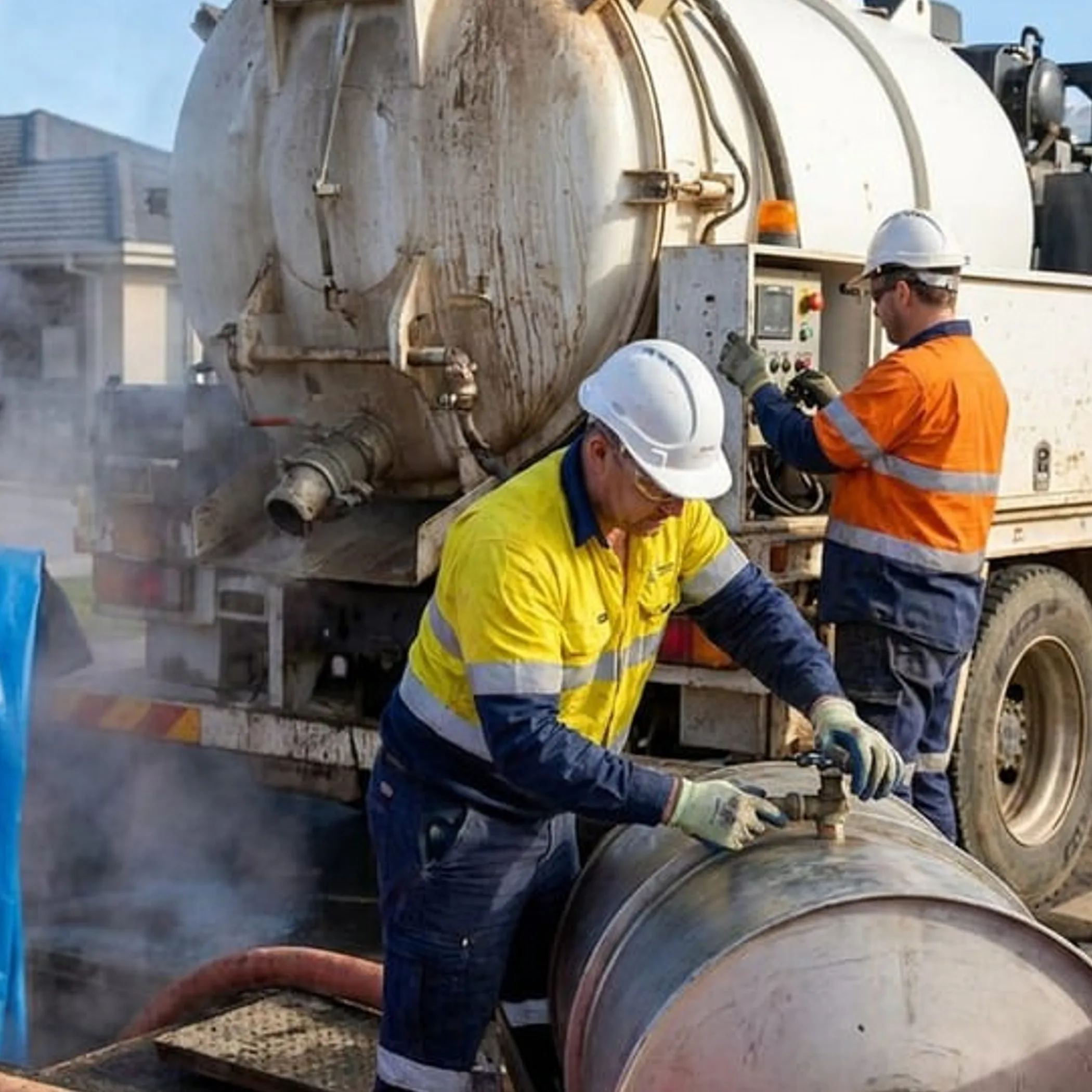
The contractor will set out the sequence: inspection, preparation, measurement and then installation. He should make plain what household activities must cease while the drain is being cured and for how long.
“Trenchless” is not to be taken as no digging at all, merely less of it. Access is via a small excavation, a maintenance hole or perhaps a removed toilet. If there is no point of entry to be had, the contractor will have to make one.
Work Sequence
- An inspection camera is run down the line to see the damage.
- Mechanical equipment or hydro jetting is used to clean the pipe.
- Any debris, scale or roots are cleared and the route verified.
- After measuring, the liner is readied with the appropriate resin.
- The liner is put in and cured before a final inspection.
- Branches are reconnected and the warranty and documentation handed over.
Plan on putting in some extra time if the going is wet or access is confined, and where you have to rejoin a number of household connections. Find out if you are to be without use of the toilets, washing machine, outdoor drains and showers for the duration of the resin cure.
Where Relining Will Not Do
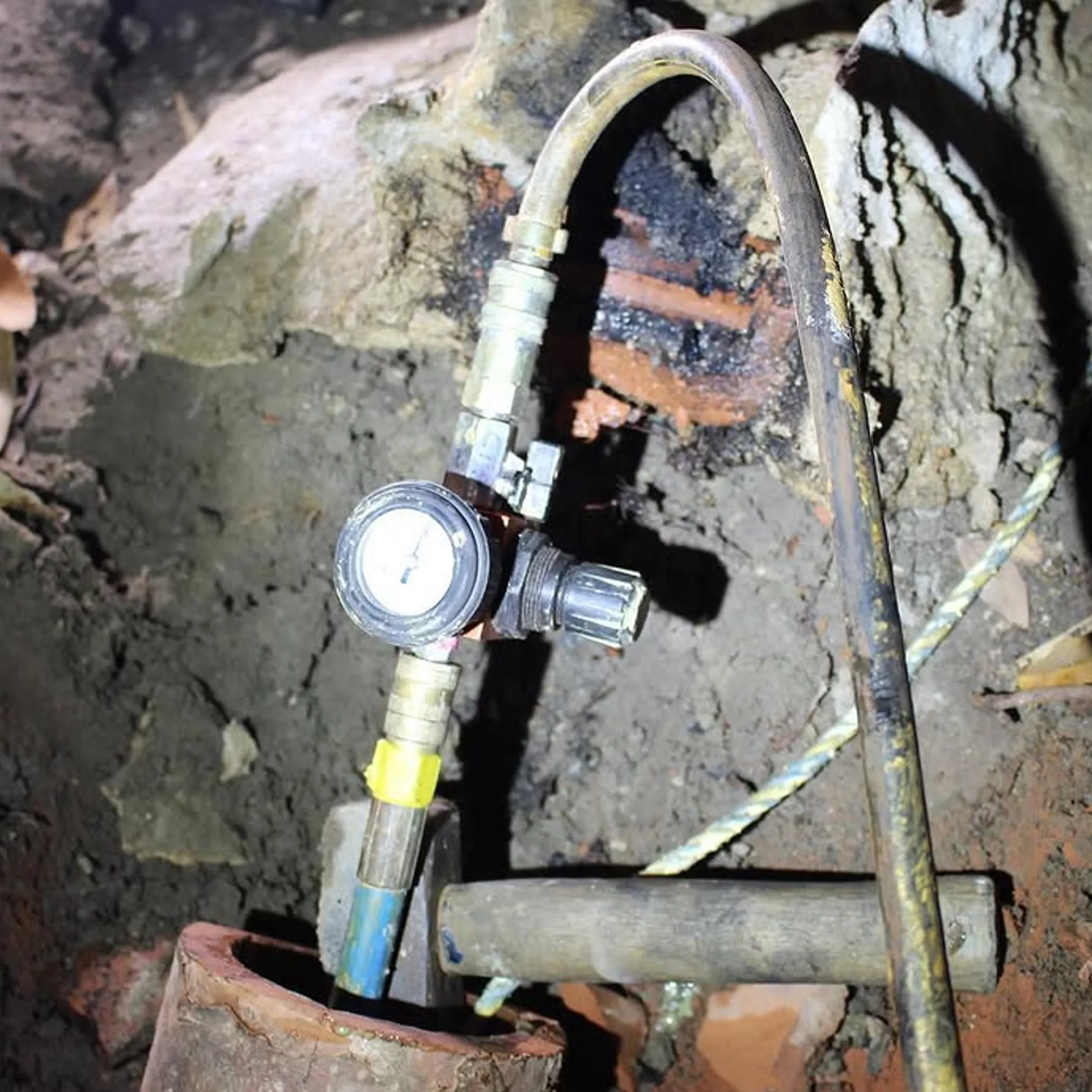
A collapsed pipe, one with major displacement or a severely flattened part, will not be amenable to relining. Nor will pipes of inadequate internal diameter, missing runs or an existing route with a serious gradient issue.
One cannot expect relining to put right a job that was done poorly from the outset. If there is poor fall and wastewater has a habit of pooling, a liner is not going to make of it a smooth downhill course; water is apt to follow the laws of physics.
To Excavate Or Not
If the damage is shallow and within easy reach, or a new junction is called for, or the pipe has to be put in a different line, then excavation is preferable. Where the surface is to be opened up in any event as part of a renovation, it makes sense to do so.
Have the contractor put forward both a relining and a replacement proposal. A good one will tell you why the former is more fitting and not proffer trenchless repair as a panacea.
In Selecting A Specialist
You want a contractor who will lay out his diagnosis in plain terms and show his hand before any work is put in hand. Put stock in a camera recording, a written scope, product particulars and a warranty over any fine sales talk.
Verify the licence, insurance and process warranty and see what experience he has with your type of pipe. Make sure you know who is doing the reconnection and installation and if there are subcontractors on the job.
Some Questions To Put To Them First
What of the bends and inspection openings? How will they be handled? What is the procedure should the liner not make it through the pipe? And how will the final inspection be put on record? Also ask about the price if more damage comes to light.
As for the life of the pipe, no contractor worth his salt will say a relined pipe is beyond all future trouble. Ground movement, external damage and the like can still cause issues.
Frequently Asked Questions
What Does Pipe Relining Entail?
By way of a resin-coated liner cured in situ to form a new inner pipe, the existing drain is put in order. You will see it used for certain sewer and stormwater work provided the original pipe is open and in alignment.
Old Clay Pipes?
In many cases they can be relined, even with their cracked and leaking joints, assuming they have not given way or been badly shifted and can be cleaned. An inspection camera will confirm this.
The Cost?
There is not an Australia wide figure. While a short and readily accessible job might run a few thousand dollars, long runs and reinstatement of a collapsed pipe will be at a premium. Get an itemised quote for what is there.
Is It Superior To Replacement?
Not of necessity. With relining there is less disruption to the surface, but only a replacement will sort out a bad gradient or a section that has caved in. Look at the long term outcome and the warranty.
How Long Is It Good For?
That is a matter of the system used, the quality of the install and how the soil and the pipe behave. The manufacturer’s figures and a written warranty from the contractor are worth more than a verbal assurance.
Will Roots Get In?
Not through a continuous liner that has been put in correctly. But they may find their way in via an untreated branch or a reconnection that has failed. Bear in mind relining is for the pipe in question, not every drain on the premises.
Does It Mean Digging?
Trenchless is not a guarantee of no digging, particularly if there is no point of access. The contractor ought to spell out what access is required before the quote is taken up.
A Repair For The House
With older homes in Australia the sensible approach is one that stands up to an honest comparison with excavation and is backed by a clear scope and inspection. Let the camera report guide you as to the nature of the failure and what is in store for each junction.
In the case of an old house the most unassuming repair is often the best, one that gets to the root of the matter and will not have you facing surprises when the rain comes.