The first rule of thumb is to consider the Outback remote, notwithstanding what the map may suggest about the distances. Be sure to have more water on hand than you think necessary, be meticulous with your fuel, verify road conditions and let a person know where you are going; do not count on having a mobile signal.
Travellers to the Red Centre, the Pilbara, the Stuart Highway or other long-haul routes in Western Australia will find what they need in this guide. Lyra Fenwick has written it with the intent of providing no-nonsense preparation and the kind of common sense that keeps one from being an expensive story told by the side of the road.
The Necessity Of Planning
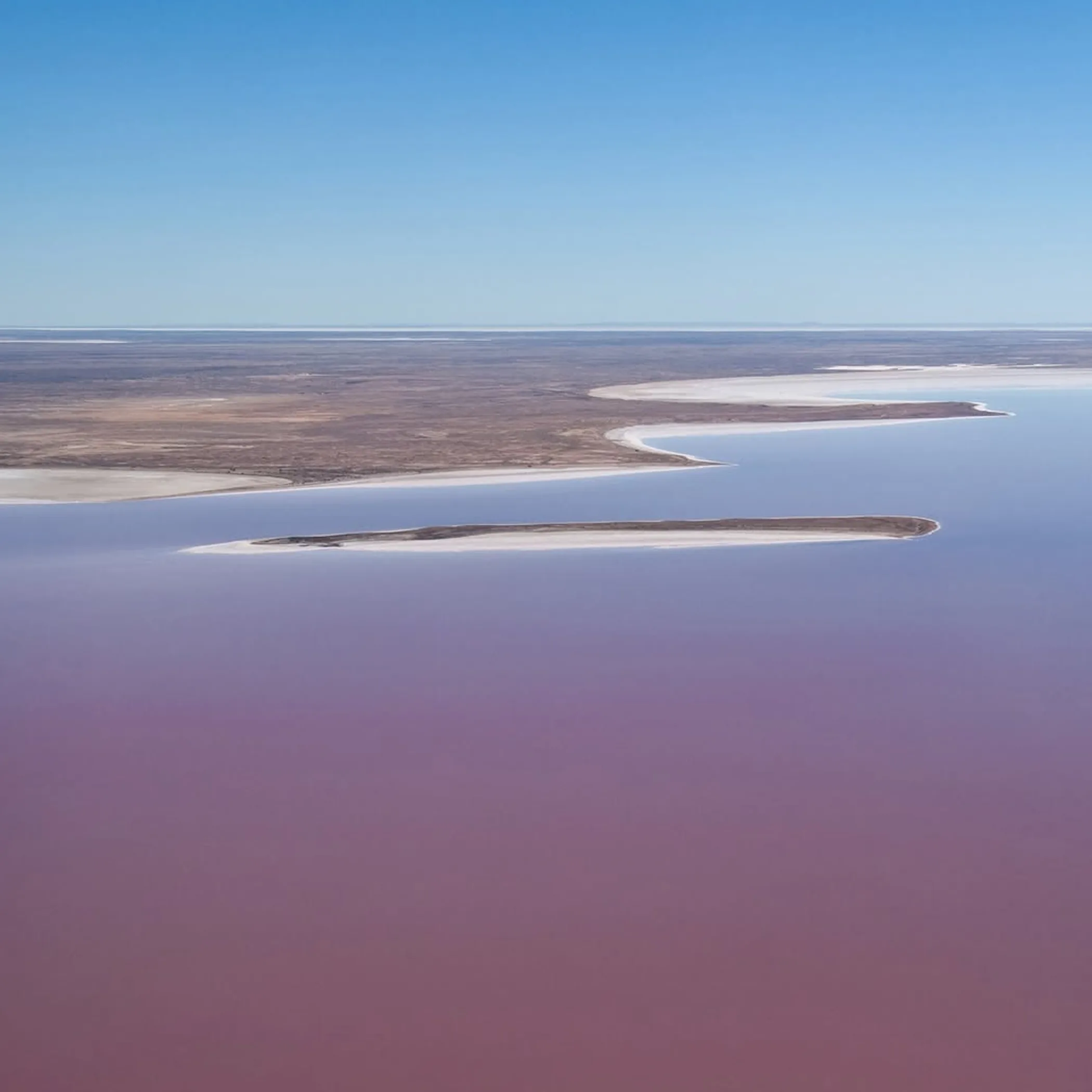
You plan because when trouble comes in the desert, help can be hours off. There are sections with little in the way of services for 500 km or so and sparse mobile coverage. What is a mere inconvenience in town like a flat tyre can turn into an emergency in the bush.
One does not prepare for the sake of anticipating disaster, but to ensure that ordinary issues do not get out of hand. The hazards are only to be expected: bad navigation, wildlife, fatigue, a vehicle giving up, dehydration and the heat.
Reality Check
A digital map will tell you how long a trip in Australia should take. In fact you will lose hours to rest, corrugations, the odd creek crossing, roadworks and the like. Summer makes it hazardous to walk for assistance and in the wet season roads can be shut down in short order.
Then there is the fallacy of thinking a four-wheel drive is the answer to all problems. It is not. It will overheat, run dry, get bogged or put a hole in a tyre as easily as any other. Preparation is what provides the safety, not the vehicle.
Make A Plan
Have something in writing. If things go awry your emergency contact can act on it rather than a vague “we are around the desert” type of message. Put in some time before you head out to look at the state of access, any closures, permits and the weather. Set a time with someone you trust for them to sound the alarm if you have not made contact.
Put Some Effort Into Mapping
Do not leave any stone unturned when charting your course. Note where you can put in fuel and water, where the rangers and roadhouses are and any good exit. Have an alternative in mind in case a track is damaged or a closure from bushfire means a lengthy detour.
Know the rules of the land, be it a reserve or Aboriginal-owned country; a public track is not necessarily open to all and you may need an NT Parks Pass or similar. Rely on your GPS but be aware the data is not infallible after a storm or some roadwork. Keep paper and downloaded maps to hand and a satellite device for when the mobile is of no use.
Be Conservative With Your Time
An early start in the Red Centre is better for visibility and to beat the temperatures. Do not make plans to be arriving at a campsite you do not know in the dark. Should you be limited to a day, stick to a route with good signage near a centre or take a guided tour. Attempting a track that calls for days of supplies and recovery in one day is not to be done, particularly by those new to the desert without the right vehicle and experience.
What To Pack
Water comes first. Make allowances for cooking and washing as well as an unforeseen delay. You can lose fluid to the dry air and exertion before you feel thirsty.
Fuel is another matter. Do not put stock in the manufacturer’s range figures; idling, soft sand and headwinds will see you use more. Either bring extra or check the distance to the next stop.
Your Emergency Kit
Your emergency kit must be fit for purpose. Have your first-aid, spares, a compressor, torches, a power bank, gloves and the tools to effect a repair. Throw in some food that does not require cooking in case your equipment or fuel lets you down. When your travels will put you out of range of a good mobile signal, make sure to have a satellite phone or other form of satellite communication. Put in the time to familiarise yourself with it before you leave and see that it is fully charged; also make a point of having emergency numbers in more than one spot. There is no sense in having a phone languishing at the bottom of an esky as your means of communication.
The Bureau of Meteorology’s Australian weather information has the forecasts and warnings you need. Consult it prior to departure and on the road when you are able to.
Vehicle Preparation for the Outback
Many an emergency in the bush can be forestalled by a thorough inspection of your vehicle. Make arrangements for a service in good time so that faults can be put right, old parts swapped out and the likes of the cooling system, battery, belts, hoses, lights and brakes put to the test.
Give the load, roof racks and recovery points some attention. A vehicle under heavy pack will not handle as well, will be harder on the suspension, tyres and brakes and will burn through fuel. See that all is secure and heavy things are stowed low; you do not want anything turning into a projectile on a corrugated road.
Tyres And Recovery
Have a good look at the condition of your tyres, including the spares, and check the tread and sidewalls. One spare is the minimum, though on a remote desert run in a four-wheel-drive you may want to have two. Be certain the jack will work with the weight of the vehicle and that the wheel nuts come off.
You should have the basic tools to effect repairs and the know-how to use them. Get some practice in with a puncture, changing a tyre, running down the pressure or with your recovery gear. If you have not yet had to recover a bogged vehicle, it is better to learn on the track than beside it.
Do not take for granted that standard roadside assistance will cover every unsealed road, station track or Aboriginal land route. Ask the provider where their cover extends and read the conditions; you may have to be your own rescuer.
Conduct In The Heat And Weather
In the desert you have to contend with heat, fatigue and visibility as much as speed. Let the surface dictate how you drive. Washouts, dust and loose gravel have a way of presenting themselves without notice.
Even under a clear sky, be mindful of the heat: have regular drinks, put on sun protection and take a break in the shade. A parked car is no place for children, pets or anyone vulnerable, not even for a moment.
Other Traffic And Wildlife
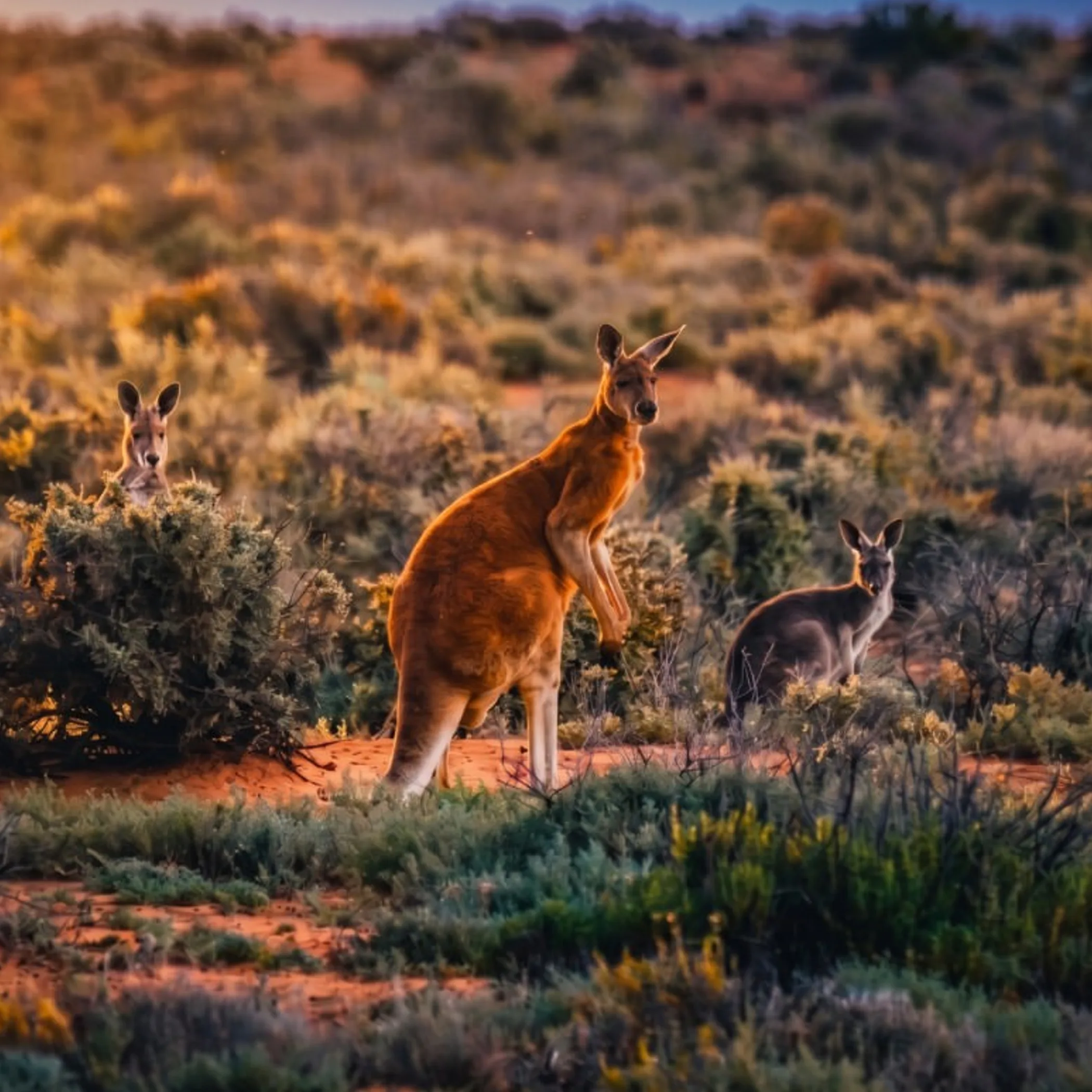
It is best to avoid driving at night. You will not see the kangaroos and livestock so easily and a road train will require a great deal more room to stop. When one comes along, get left and let it pass.
Dust is to be expected from another vehicle, so back off until you can see again. On a narrow track there is no need to put another driver on to a soft shoulder when a passing area is available.
Then there are storms which can render a creek crossing unsafe or a firm track a mud bath. In northern Australia cyclone alerts are a concern in the wet season, November to April, but they are not the only variable. Bushfire closures are common in hot and dry times. Heed the official warnings and never go around a closure sign.
Water And Wildlife
Protect your water supply from the heat in sealed containers. Do not be under the impression that a bore or tank or what is in a creek is potable unless you have been told it is or have treated it.
Wear something closed over your feet and use a torch after dark; snakes like to be found under equipment or rocks and one should not put hands in dark places. Should a bite occur, the person must be kept still, apply pressure immobilisation if you are trained in it and call for help. There is no value in trying to catch the snake.
Breakdowns
Keep it simple and visible. Off the line of traffic if you can, hazard lights on, check for injuries and save your battery and water. Only put distance between you and the vehicle if you are directed to by emergency services or it is the lesser of two dangers.
Make sure you can be located with safe markers and give coordinates if you can. In extreme heat remain with the vehicle unless you have the water and a sure way to get to help.
If You Find Yourself Lost
If you find yourself lost, put an end to driving. It will only cost you fuel and put you further from where you meant to be. Put the map to use, get in touch with your nominated contact or the authorities.
The group should not be split up. Ration water and shield everyone from the elements. With a satellite phone to hand, be explicit in the details you give: the vehicle, head count, any injuries, what water and fuel is on hand, landmarks and your last position.
Medical And Emergency Contacts
Make a note of the details for any roadhouse, medical facilities and police as well as park rangers and local emergency contacts prior to your departure. The number in Australia is 000. Put this information offline; you do not want to be without reception at the moment you require it.
Then there is the matter of remote travel insurance. If your itinerary has you on remote tracks or with costly equipment, or should you need a vehicle recovered or a medical evacuation, it is something to think about. But read the exclusions. The policy with the lowest price might not extend to what you are putting yourself up to.
Wildlife Communities And Culture: A Matter Of Respect
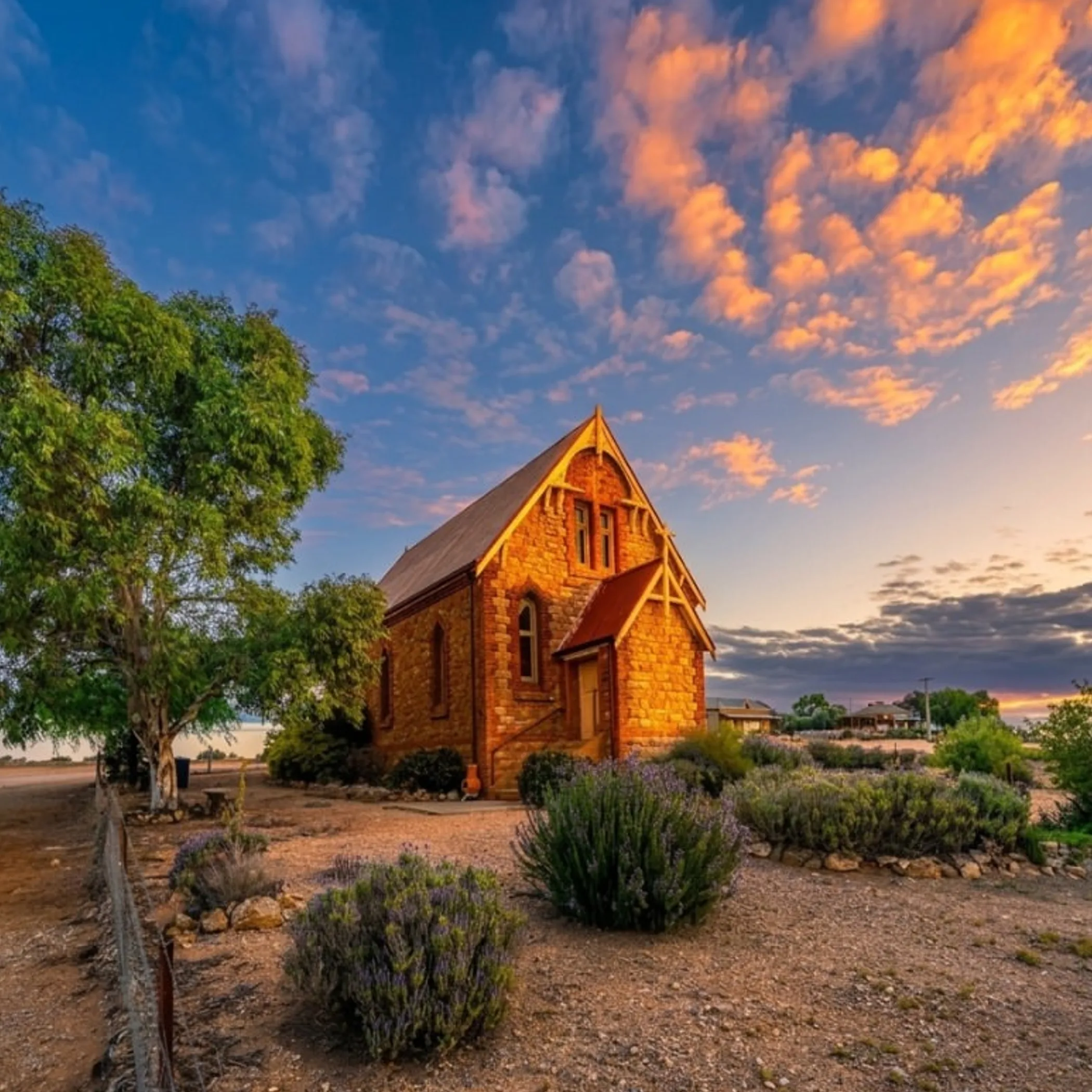
Part of being safe is showing due respect for the places and people in your path. In a remote community one will find access rules, services and cultural mores that differ from a large town. Heed local advice and put down some money for supplies where you can. Do not put a camera to someone’s face, or to a ceremony or communal area, without first asking.
The same goes for Uluru and other sites of cultural import; you will see signage and closures from the Traditional Owners and the park authorities, so abide by them. You get a genuine outback experience by listening and conducting yourself with respect, not by making a backdrop of living culture.
Track And Biosecurity Rules
Camping is only to be done in permitted areas, and gates are to be left as you come to them. Off-track driving puts new and hard to mend paths in the desert and does a number on the vegetation.
Before you cross a border, make sure you know the biosecurity rules. Get the mud and soil off your car, boots and gear. An officer will not be swayed by the contention that a burr “probably came from around here” after it has made a long journey.
An Outbound Checklist For The Desert
Run through the following before you set off and at every major resupply point. What was a good plan yesterday may have to be rethought after rain or a road closure.
- Confirm you have route access, permits and that you are aware of any weather hazards or closures.
- Let someone know your plans, the vehicle and when you will check in.
- Have on hand extra fuel, water and provisions and the right sort of clothing.
- See that the vehicle is in order, test the battery, cooling system, lights and recovery gear and the spare tyres.
- Maps, a power bank, navigation back-ups and a first-aid kit and tools should be in the pack.
- Do not forget to charge and try out the satellite phone.
- Record the location of water and fuel and who to call in an emergency, and do it offline.
- Factor in the risk of night driving, heat, fatigue and the odd kangaroo or snake.
- And verify your roadside assistance and insurance for unsealed country.
Frequently Asked Questions
Travellers tend to have these questions when they are going beyond the reach of services. The answers below are straightforward but each route warrants its own scrutiny.
What would be the top 5 safety tips?
Check conditions and the weather, have your communication in order and tell others your route. Be judicious with your fuel and take plenty of water. Cut back on speed and eschew night driving if you can. In the event of a breakdown, stay put with the vehicle unless told otherwise.
Where are the no-go zones in Australia?
You will not find a national list. Whether it is private land, Aboriginal permissions, cyclone damage or simply unsafe roads, access can be denied. Check with the authority and consider every notice or gate to be enforceable.
What are the five things to do before you go?
A written plan to share, good communication, an eye on the latest road and weather reports, a calculation of your water and fuel and a proper inspection of the vehicle will head off most trouble on an Australian road trip.
Staying safe in the Outback?
Adhere to the principles: drive to the conditions, have the necessary supplies, insulate against the heat and do not count on one tyre, one route or one phone.
Is a four-wheel drive a must?
Not necessarily. A conventional vehicle will do on a sealed highway or good gravel, but a sandy or corrugated track calls for a suitably equipped four-wheel drive. Have a look at the current advice and hire terms. It is not an excuse to flout the limits of the vehicle or ignore a closure.
Preparation Is Part Of It

There is reward in remote desert travel but it requires you to be humble. All your confidence and mobile signal put together are small compared to the landscape. Leave a plan and allow for turning back.
Lyra Fenwick would say it is as simple as this: assume the bush will find the detail you have overlooked, so check your facts and have the basics with you. With some sensible preparation and an attitude of respect for the country, you can put more distance between you and home while those in your company are all the safer for it.
More on this: authentic outback cultural immersion.