There is no single national timetable for gas appliance servicing in Australia. For all intents and purposes, owners are well advised to put the manufacturer’s instructions into practice and have a licensed gasfitter perform regular service; if an appliance gives any indication of trouble, get it inspected without delay. One should also be aware of the extra obligations that can apply to Type B gas appliances of higher risk, as well as commercial and rental premises.
I am Lyra Fenwick and my writing covers the more pragmatic aspects of daily life. My first rental in Melbourne had a courtyard of such proportions it lent the house an air of sophistication, but the heating was another matter. I did not know much about gas safety at the time. It was an unglamorous lesson, but a useful one: just because a heater will turn on does not make it safe.
Gas Servicing Rules At A Glance
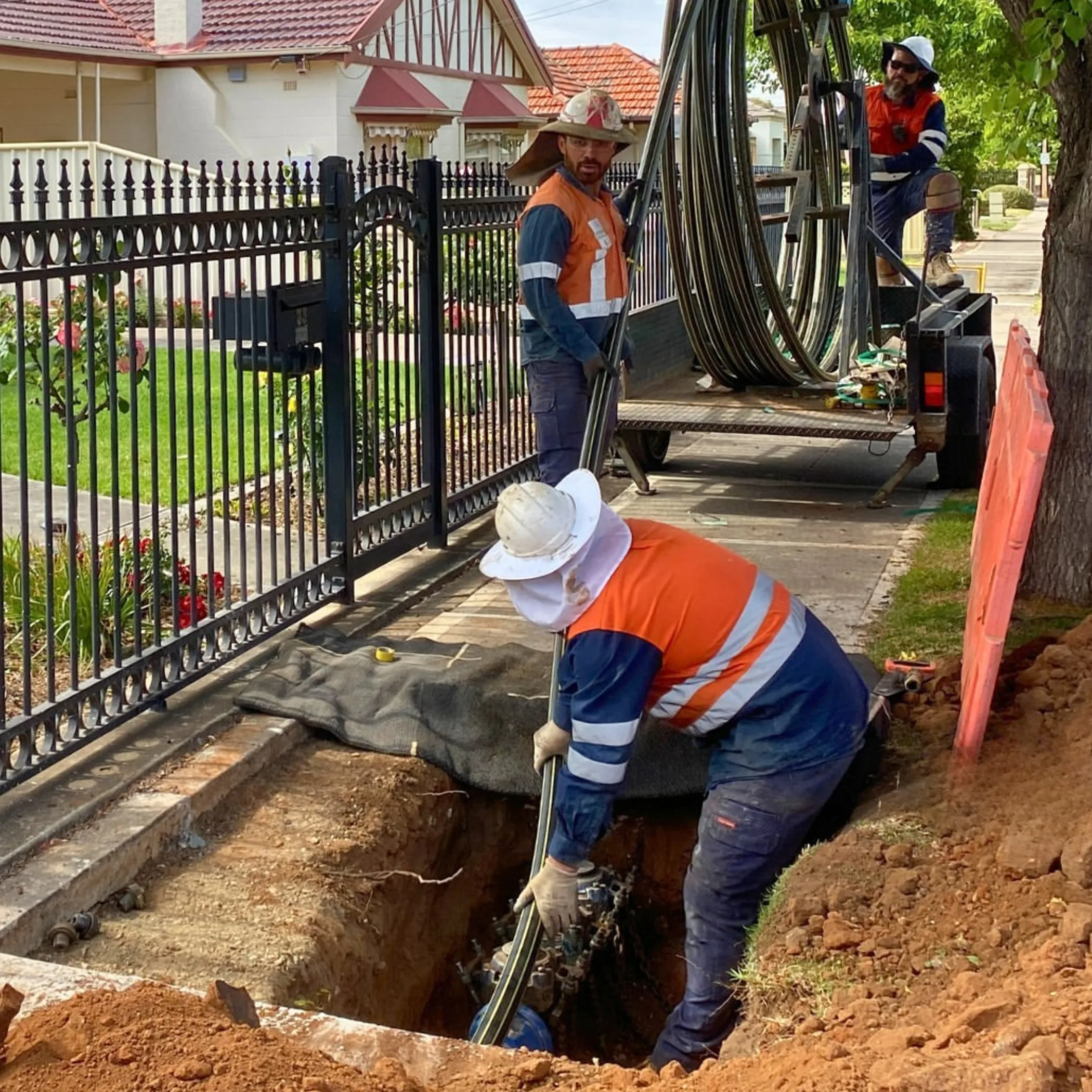
The point of regular servicing is to safeguard the appliance and those around it. A proper check will find what could otherwise turn into an emergency, from gas leaks and carbon monoxide to blocked flues, compromised seals or inadequate ventilation. For added peace of mind, arrange professional gas inspections.
With six states and two territories, every jurisdiction has its own way of doing things when it comes to licensing and certification for gas. The prudent course is to observe the local rules of the state or territory in question while adhering to national safety standards.
| Situation | Practical action | Who should do it |
|---|---|---|
| A routine household appliance | Periodic professional checks and service as per the manufacturer | Licensed gasfitter |
| Your gas heater in the winter months | Have it serviced before the season starts, assuming it has not been used for some time | Licensed gasfitter with experience on the appliance |
| Rental property | The landlord or property manager should see to documentation, repairs and state inspection rules via an authorised gas professional | Landlord or property manager using an authorised gas professional |
| Commercial/industrial | Put in place a maintenance and testing programme commensurate with the risk and standards involved | Qualified gasfitter or Type B specialist |
| Suspected carbon monoxide or the smell of gas | Put the appliance out of commission, ventilate the area and call for emergency assistance if you have to leave | Emergency services or a licensed professional |
How Often Is Servicing Required?
An annual check is good sense for residential gas heaters, hot-water systems and anything put to hard use. Legally speaking though, the frequency is dictated by the appliance, where it is sited, how it is used and the dictates of the manufacturer and local law.
One should not consider “it worked last winter” to be an adequate record. An appliance can be sitting there quietly and be affected by corrosion, water, insects, dust or a seal going bad.
Follow What The Manufacturer Says
Start with the manual. Should it call for a yearly service, then so be it, irrespective of whether local law has a set interval. In the case of a gas heater, book in for a service ahead of winter. Technicians will be in demand once the cold sets in and this way there is time to put right or replace a unit before the family is depending on it come nightfall.
When Conditions Are Risky
If an appliance is in a coastal location, a workshop full of dust or a commercial kitchen, once a year might not cut it. Nor in a room with poor ventilation or where there is a record of problems. Unexplained headaches, soot, a yellow flame or a pilot light that will not stay lit are all reasons to have a gas safety inspection done up front.
Older models warrant some caution. They may have parts that are hard to come by or controls of a bygone era. While age is not in itself proof of danger, put it to the technician if it would not be safer and cheaper to replace rather than continue to service.
What Kind Of Appliances Call For A Professional?
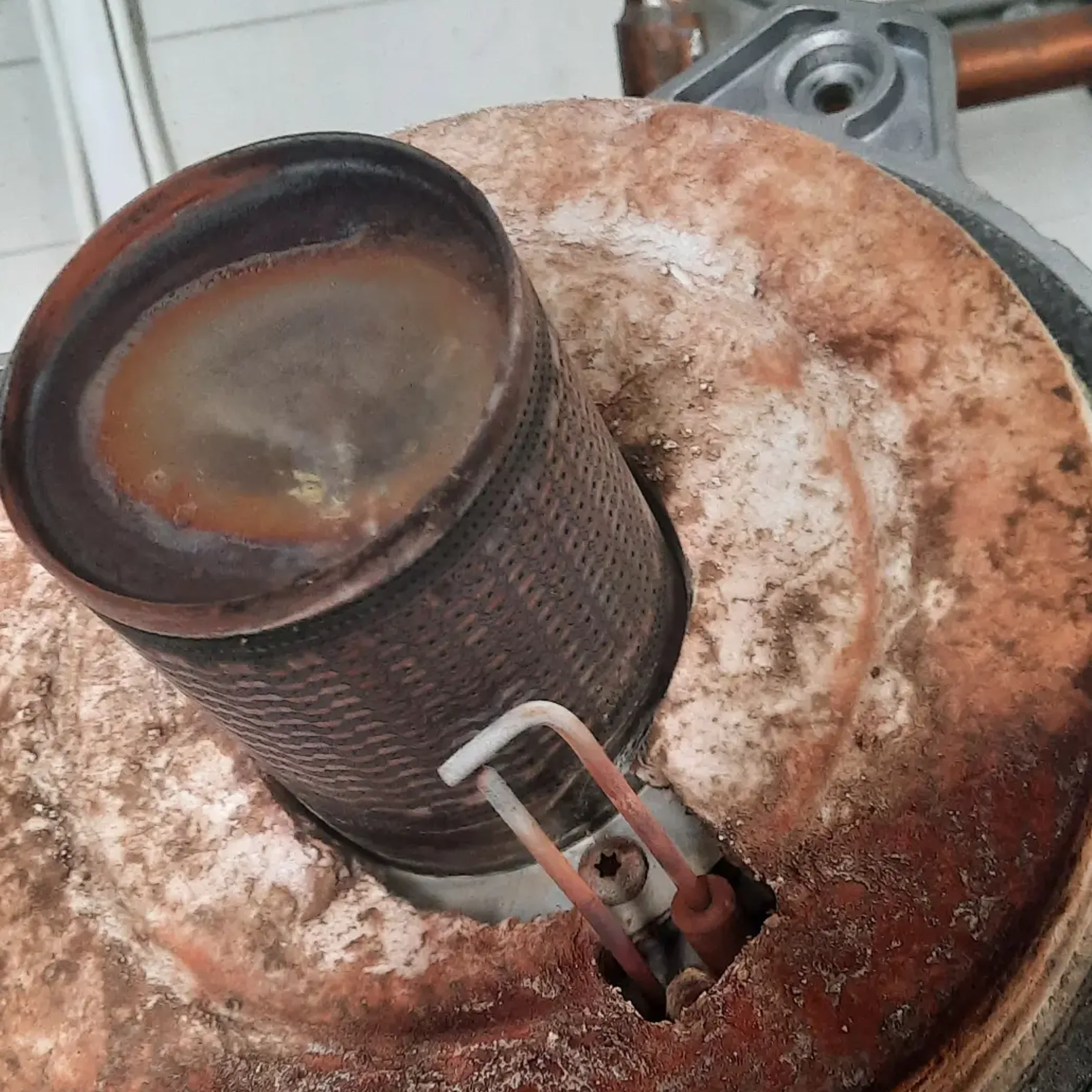
From a cooktop or oven to a boiler, wall furnace, ducted heater or commercial cooking rig, any fixed gas appliance can need attention. Even portable ones are not without risk. Do not take outdoor equipment inside and stick to the instructions. Carbon monoxide is a far greater concern than a mozzie.
Residential Versus Commercial
You will find Type A appliances in the home, your typical mass-produced cooker or domestic heater. Type B are the larger or more specialised units you see in an institutional or industrial environment and they are more demanding in terms of design, commissioning and upkeep. There can be a need for engineering documentation and specialist competency with Type B work. Do not assume a household gas work licence is sufficient in all commercial installations; verify the technician has the requisite experience prior to making a booking.
Flues And Ventilation
Do not think of a service as an opportunity for a cursory examination of the burner. The technician will have to get at the flue, combustion air, ventilation and check the gas pressure, ignition, flame, safety controls and what the appliance is emitting.
One should not put a box or piece of furniture by a heater or flue, nor block a permanent ventilation opening on account of draughts, insects or the appearance of it. Such matters are small but they can impede heat discharge and combustion.
Who Is Qualified To Service Gas Appliances?
The law requires that whoever does the gas work has the licence or authorisation for that jurisdiction and type of work. “Builder” or “handyman” is not synonymous with a licensed gasfitter given the way certificate processes and licence classes are worded from one state or territory to another.
Put in a request for the tradesperson’s licence details before he gets to work and see that it encompasses servicing and installation. Any professional worth his salt will have no trouble with that. If a man takes offence at a question over basic safety, one might take note of that.
The Paperwork
Once the gas work is done, enquire as to the documentation. You may be presented with a compliance or safety certificate, an inspection report, test results, commissioning records or an invoice, depending on the work and where you are. A receipt is one thing, a compliance certificate is another.
File these with the appliance manual along with a note of the service date, who did it, any repairs and what was found. It comes in handy for insurance, rental records or when selling the property.
An Inspection
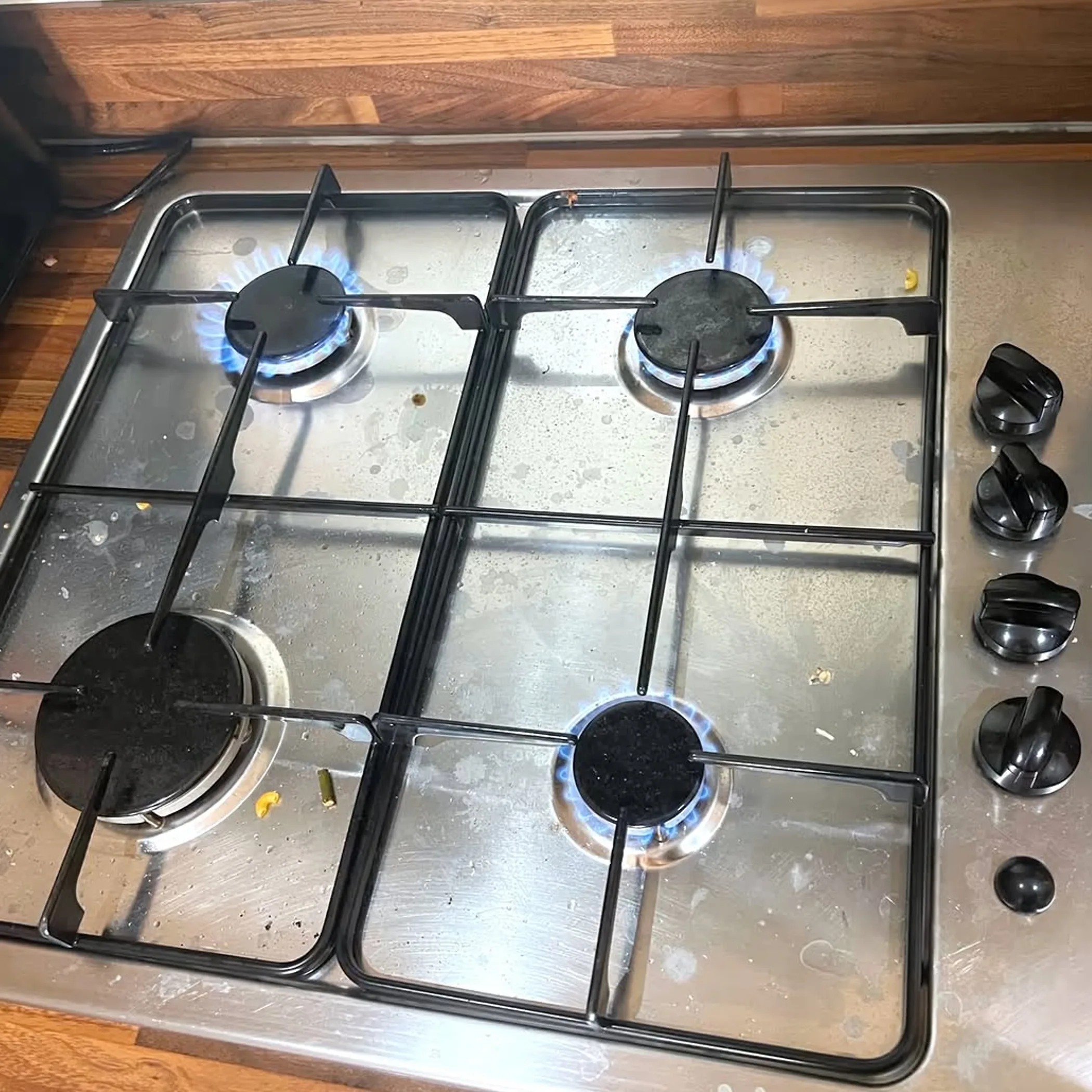
What to expect is a review of compliance, performance and safety. How this is done is down to the appliance but the technician ought to be able to tell you what has been checked and point out any limitations, not just say it is all fine. This is of some value in a commercial site being readied for operation, or if there is an odd smell, or when taking on a new rental or purchasing a property.
Safety Checks
Burners, pipework, seals, the ignition system, flue termination and shut off devices are all fair game for the technician. Combustion and emissions will be tested if the procedure calls for it. With a gas heater the flue and its performance will be scrutinised; a flue that is disconnected or in poor order will let combustion products into the room. And carbon monoxide being odourless and colourless, the nose is of no use in finding it.
- Find out if the appliance is safe to continue using and what faults were put right.
- Get any advice on monitoring or repairs in writing.
- Make sure you know if what was done was a compliance assessment or routine maintenance.
- Put away the photographs, invoices and certificates.
Gas Certificates
These are proof that certain work has been done or tested to the requirements. They are not a guarantee of perpetual safety for every appliance in the house, nor do they stand in for maintenance.
Since certificates pertain to the work done and local process, ask the gasfitter what the document entails, who is to get it and if it needs to be put on file with a regulator.
Rental Property
In terms of rentals there are disclosure duties, record keeping and timeframes for repair as well as prescribed safety checks. The legislation of the state or territory, residential tenancy laws included, dictates the obligations of the landlord and the safety of the tenant.
A tenant would be wise to report a fault forthwith and not attempt to put right or tamper with a gas appliance. For their part landlords and managers should have licensed people on hand and act fast on any report of a leak or unsafe heating.
Should a rented heater be putting out soot or going out time and again, or give one a headache or dizziness, then it is best to cease using it and put in an urgent report. In the event of suspected carbon monoxide, get out of the property and ring emergency services from somewhere safe.
Differences Between States and Territories
You will not find a uniform set of Australian gas regulations. The technical side is covered by Australian Standards but it is the regulators in each state and territory that make the rules on licensing, certification and rental matters.
Take Energy Safe Victoria for an instance of a state safety authority. For those in Victoria its official gas safety guidance is a good place to begin, though one should look to the regulator of one’s own state or territory if based elsewhere: see the official guidance from Energy Safe Victoria.
The Job Dictates The Standards
Whether it is installation, maintenance, commissioning, ventilation or the design of an appliance, Australian Standards are in play. AS 3814 has bearing on Type B work and industrial or commercial gas-fired appliances; for a host of other installations AS/NZS 5601.1 will be the standard. It is not as simple as coming across a standards number on the internet and knowing what is required of your technician. They are technical in nature and have to be read in conjunction with the legislation, what the manufacturer and regulator put forward, and the specifics of the installation.
Electrification And Gas Connections
In certain new developments some councils and jurisdictions in Australia are making electric equipment a requirement or at least putting it forward as an option. Yet policies on what is already in place, be it an appliance or connection, are another matter. There is no national edict that every household’s existing gas appliance has to go without delay.
It might make sense to go electric but planning is still called for; “just plug it in” does not constitute a renovation. One would do well to review the costs of installation, any changes to ventilation, energy tariffs and local rules on connections before making a replacement.
Carbon Monoxide And Other Warnings
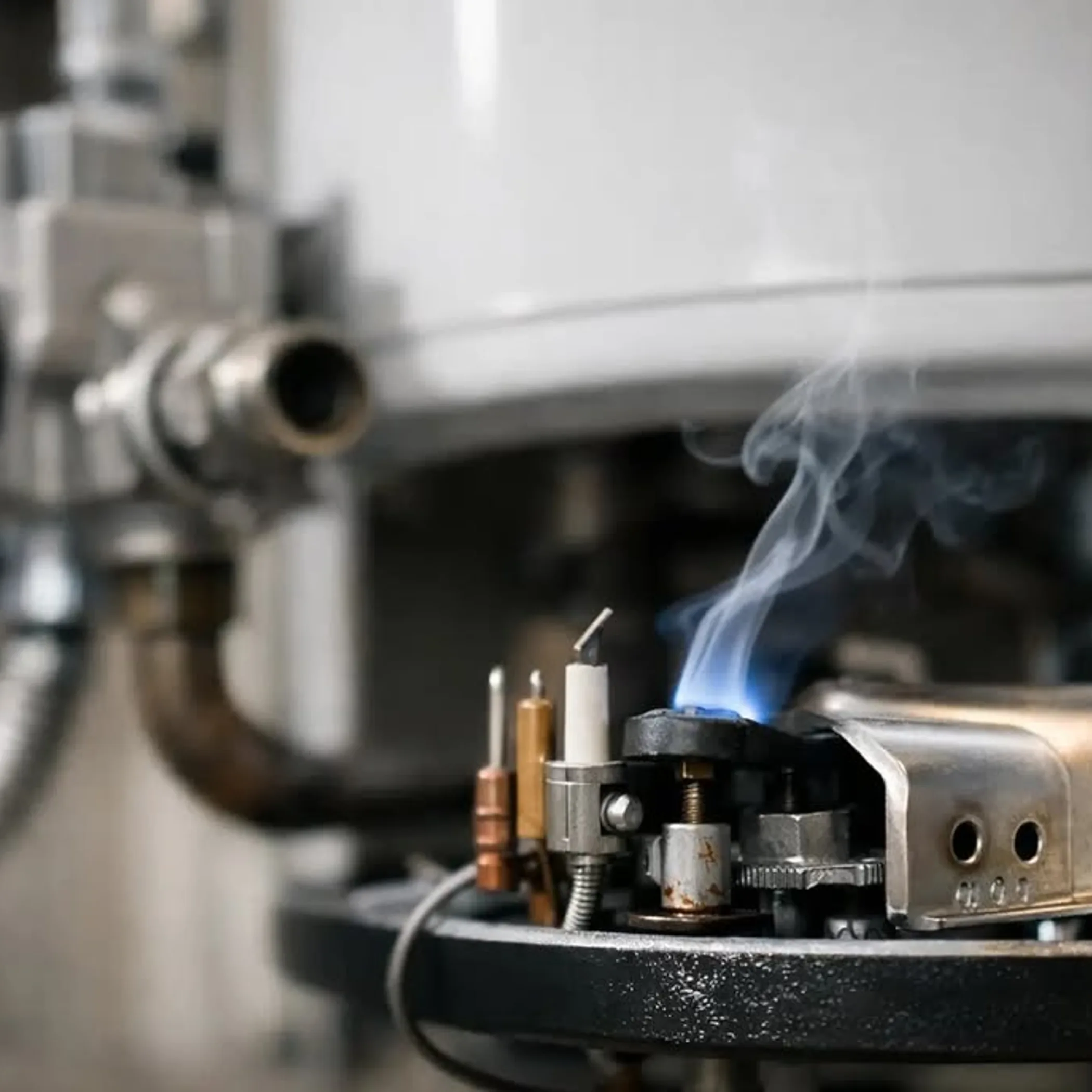
If there is a hint of something amiss with a gas leak, it should be treated accordingly. Give prompt attention to a hissing noise, a pilot light you cannot get to stay on, a pipe in poor repair, an unaccountable spike in gas use or the odour of rotten eggs.
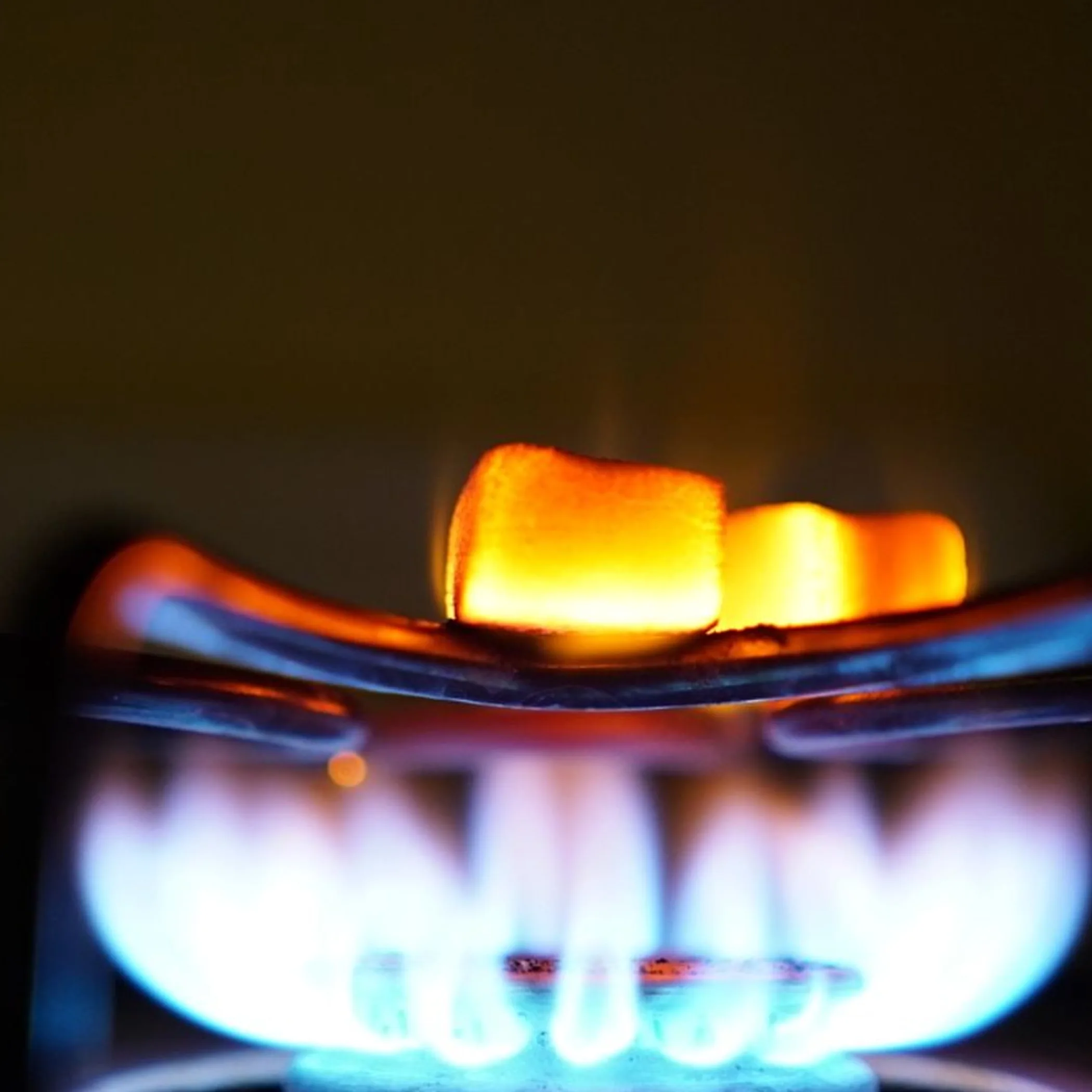
Then there are the more insidious indicators such as condensation, soot, a yellow or lazy flame, corrosion for no apparent reason or headaches. While they do not in themselves pinpoint the fault, they are cause enough to put the appliance out of action and have a professional come and look at it.
- Should the smell of gas be present, keep clear of anything that might spark, including electrical switches, cigarettes and open flames.
- Put off the supply at the emergency isolation point if it can be done safely and put some air in by opening windows or doors.
- A strong smell, symptoms or an unknown source means one should vacate the building.
- Phone the gas authority or emergency services from outside the area.
A carbon monoxide detector is an added form of warning but is no substitute for a working flue, proper ventilation or regular servicing. Follow the instructions in installing them and put them to the test from time to time. Do not let a detector be an excuse to run an appliance that is plainly at fault.
What To Expect In Australia For Servicing
Costs are not set by a single national regulation. What one pays is a function of the location, the kind of appliance, access, any parts or repairs, the need for certification and how urgent the job is. As a guide, a residential service of a straightforward nature will usually be in the low hundreds of dollars. But where you have to deal with difficult access, a number of appliances, a detailed inspection or commercial Type B work, the bill can be much higher. Do not take an online figure as your word.
Put In For A Quote
Put in for a quote and be specific about the brand and model, the location, the symptoms and the like, and if a gas compliance certificate is to be had. Make sure you know if call-out fees, GST, testing and follow-up are part of the price.
In the end the most economical visit may prove otherwise; a hasty inspector who overlooks a flue issue is going to cost you down the track. Do not give the go ahead on major work or to have parts put in without a quote in writing, an old appliance being no exception.
Practical Safety Plan For Households
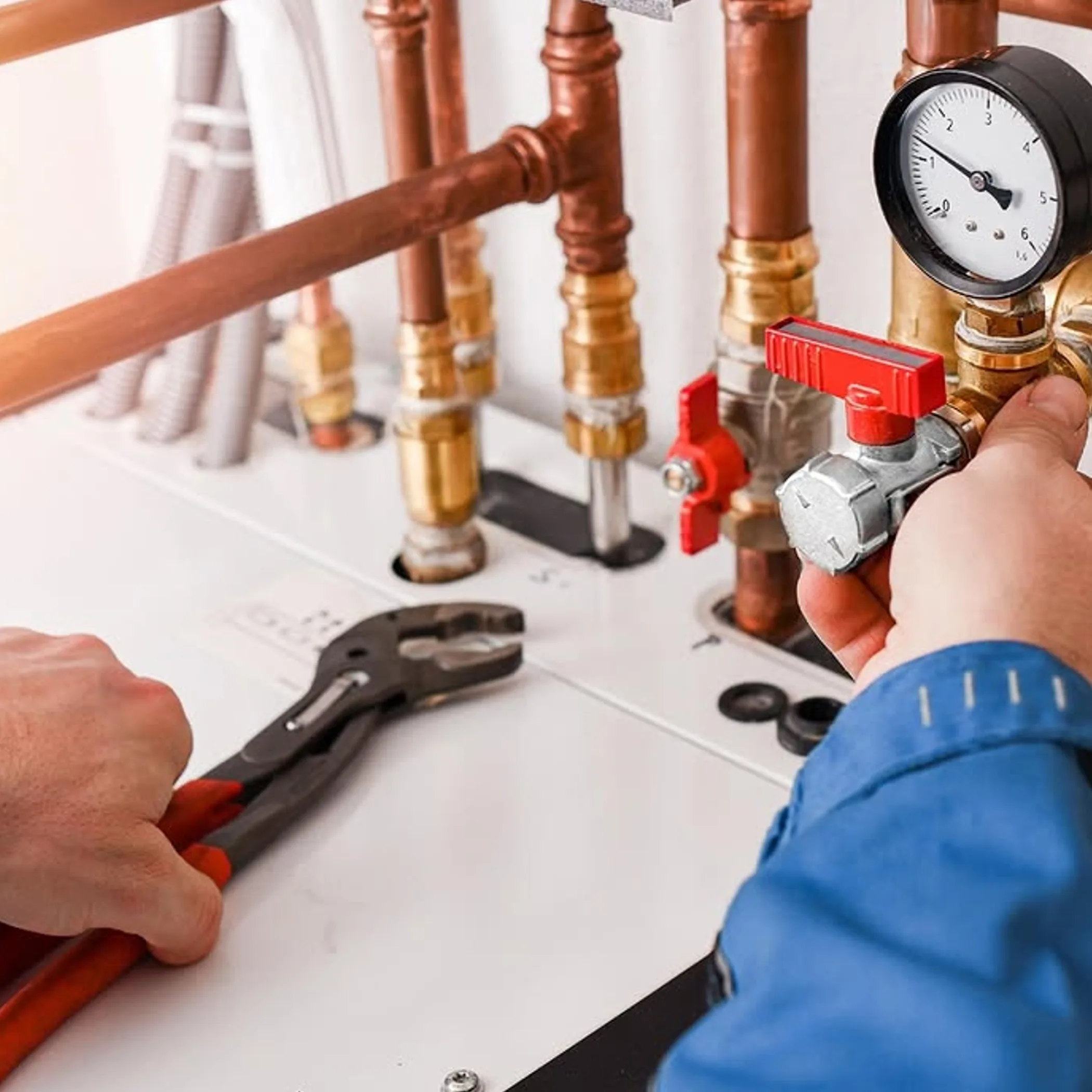
There is nothing mysterious about gas safety with a bit of routine maintenance. Note the service date on the calendar, see that ventilation openings are unobstructed and that all in the household are aware of the gas isolation point.
Take my time in a Melbourne rental where the heating could not be trusted: I was concerned only with the room getting warm. In retrospect I ought to have made inquiries as to who was responsible for repairs, if the flue had been looked at and when the appliance last had a service. The thing is, comfort does not equal compliance; it is easy to fall into that trap.
If You Only Have One Day
Start with any appliance giving you warning signs, then turn your attention to hot-water systems and gas heaters in living or sleeping quarters. Put in a call to a licensed gasfitter, get the manuals and certificates to hand and make out a list of symptoms for the appointment. Make sure there is clear access to the unit.
The following is meant for the upkeep of an ordinary home. Do not apply it to DIY gas work, commercial commissioning or if there is an illness or suspected major leak, for which one needs emergency or qualified help.
Frequently Asked Questions
What Are The Current Gas Regulations In Australia?
You will not find a national servicing law in Australia that is the same for every gas appliance. What is required is a mix of applicable Australian Standards and manufacturer specifications along with licensing requirements, the rules of the regulator and state or territory legislation. Consult the regulator for the jurisdiction in question.
What Are The Australian Standards For Gas Installations?
It depends on the appliance and the installation. AS/NZS 5601.1 is pertinent to a good number of gas installations but for industrial and commercial gas-fired appliances, including Type B, there is AS 3814. Leave it to a professional with a licence to determine what standards pertain to the work at hand.
How Much Does A Gas Compliance Certificate Cost?
Prices are not set in stone across Australia. It will vary with the complexity of the inspection, travel, testing, the kind of gas work and any needed repairs, not to mention the process in the state or territory. Get an itemised quote so you know what the certificate is for.
Are Gas Appliances Being Phased Out In Australia?
Not by some blanket national deadline. While certain developments or councils may be curtailing new gas connections in favour of electric, policies are not uniform across jurisdictions or appliance types. Before you plan a replacement, have a look at the local rules.
Can I Service A Gas Appliance Myself?
Provided the manual says so, basic user maintenance like putting in batteries or cleaning a surface is fine. But for valves, burners, pressure testing and the like you want a licensed professional. Under no circumstances should a gas appliance be taken apart to see what is wrong.
Make Safety The Easy Choice
Servicing requirements for gas appliances in Australia are not complicated. Stick to the schedule the manufacturer sets, perhaps have the more heavily used ones in the house done once a year and use a gasfitter with the right credentials. Retain the records and certificates. And at the first sign of a leak, combustion issues, equipment damage or carbon monoxide, have an inspector come round.
Then again, proper maintenance of a gas appliance is a quiet and rather dull affair. But it is worth the effort to have the heater in order, to meet landlord obligations and safeguard tenants, and to spare everyone a worry when it gets cold.