Heights Safety Australia 2026
The first thing to appreciate when it comes to 2026 guidance on working at heights is that a “safe” height is not something you will find defined in any universal sense. Under Australian WHS law, duty holders be they employers or workers are required to put in place appropriate controls and do away with fall risks as far as is reasonably practicable before anyone puts himself near an edge or opening to work or make a reach.
Then there is the 2 metre rule of Australia for working at heights. For the most part it serves to put high-risk construction work and the attendant SWMS obligations in play. It should not be construed as a licence to go without protection under 2 metres; one can do serious damage falling off a truck tray, ladder, platform or the roof line well short of that mark. Lyra Fenwick has put together this guide to the regulations that Australian businesses and their workforce have to come to terms with in 2026.
2026 Height Safety At A Glance
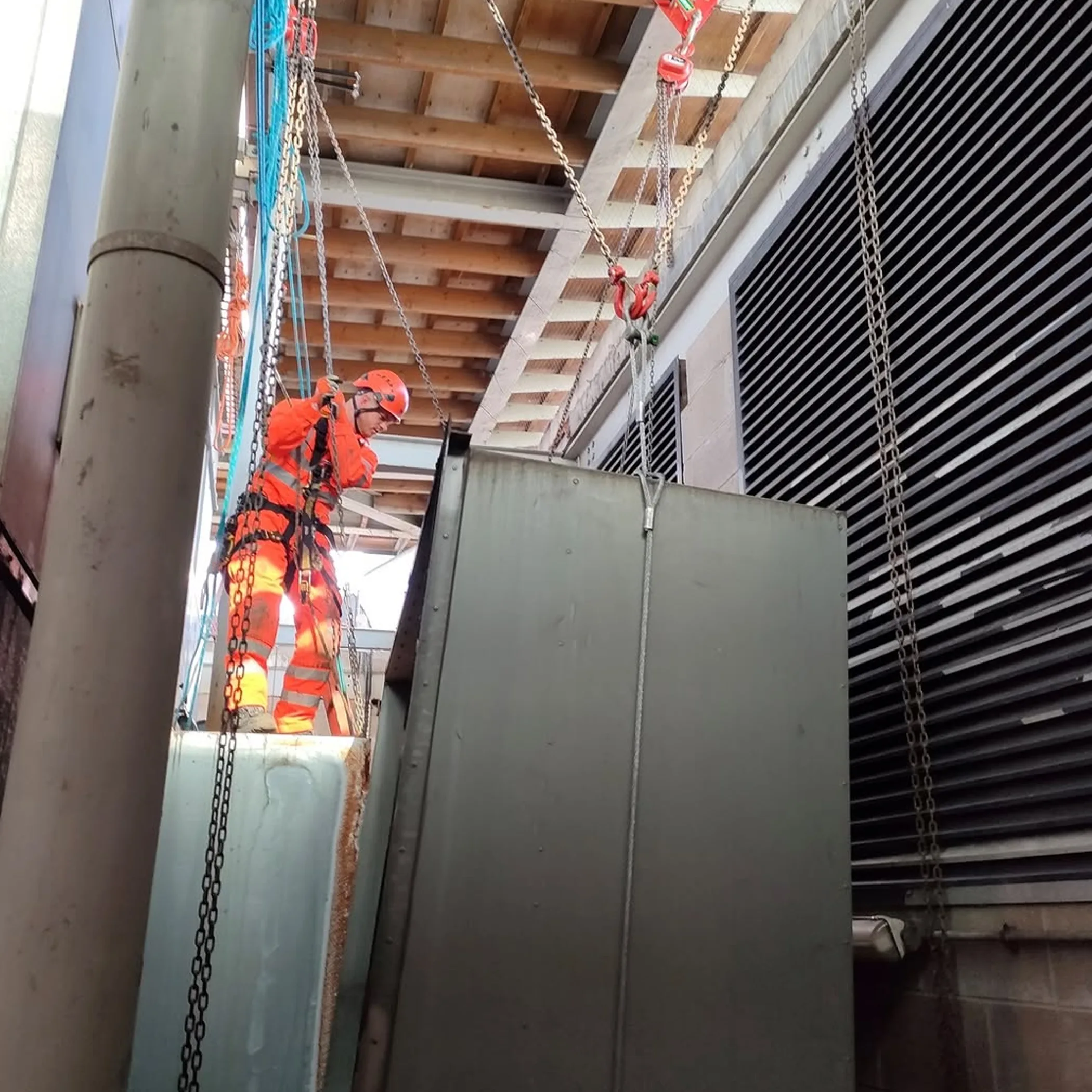
Risk management, fall prevention and the overarching duty of providing a safe workplace form the basis of the regulations across Australia. The specifics will differ from one jurisdiction to the next so it is incumbent on a business to consult the regulator for its site and not make do with some internet checklist.
In practice the rule is straightforward: plan accordingly, shun the height if you can, and where you cannot, put in place fall prevention. Reserve fall arrest for when the risk cannot be otherwise contained. Do not think of a harness as a panacea, it is not; you need the right anchors, a rescue plan, inspection and training to back it up. These measures should align with IRATA rope access standards.
| Situation | Key compliance question | Practical control |
|---|---|---|
| Roof, mezzanine or platform | Can it be done from the ground or from behind a guardrail? | Put in fixed edge protection or remove the need for the height altogether. |
| Construction work over 2 metres | Does the nature of the work mean a SWMS is called for? | Have the SWMS ready and reviewed by all concerned prior to commencing. |
| Ladder work | Is the ladder up to the task in terms of stability and force? | For anything involving awkward reaches or heavy materials of a protracted nature, opt for a more secure means of access. |
| Harness-based work | Do you have a certified anchor and a way to rescue? | A full fall arrest system with the requisite training and prompt rescue provisions is in order. |
What Counts As Working At Heights?
Any work where an injury could result from a fall between levels is covered. Roofs, trestles, loading docks, open shafts, fragile surfaces, scaffolds and elevating work platforms are examples. But the law is concerned with the risk of the fall, not what a tape measure says. There may be more to fear from a low platform next to some machinery than a higher deck that is properly guarded. An opening or edge is to be taken as seriously as roof work.
Height Is More Than A Number
One is asked from time to time what the maximum height is for unassisted work. The answer is there is no such number where safety controls are rendered superfluous. What is needed will be dictated by the person, the equipment and the environment as much as the potential consequence of a fall.
Take the Top End in the wet season and access surfaces become a slip hazard. In the Pilbara the dust, wind and heat are an issue for worker and equipment alike. You might have a site that was flat as a pancake in the morning but after the weather has been through it is another matter entirely. Fatigue, bad lighting, unstable ground and the like all add to the equation.
Understanding The Two-Metre Trigger
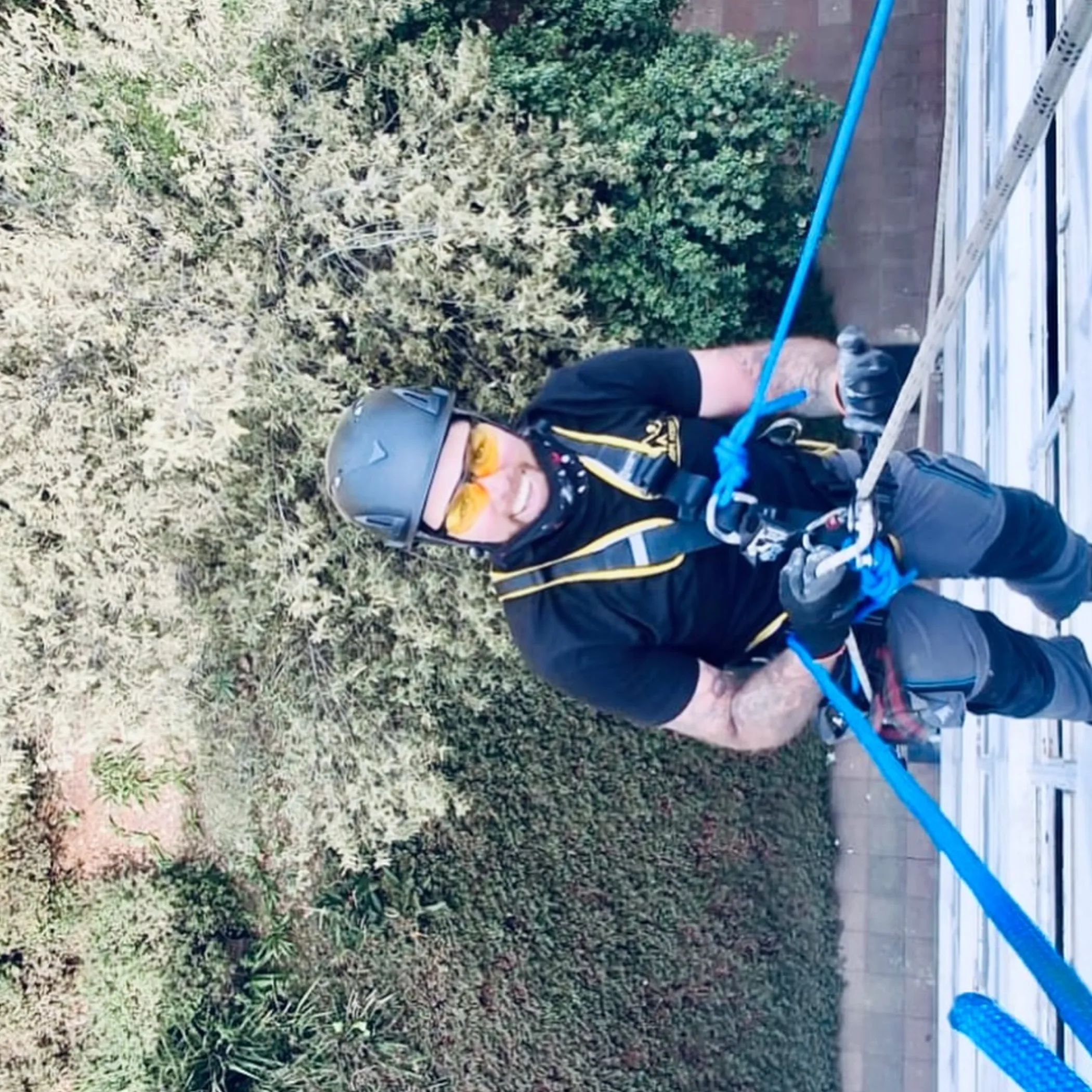
When Australians speak of the 2 metre working at heights rule they are referring to the kind of high-risk construction work where a fall of more than 2 metres is possible. A Safe Work Method Statement (SWMS) is generally de rigeur before that work can start.
It is a regulatory trigger, not an exemption from safety. If harm is foreseeable below 2 metres a business must control for it. To assume 1.9 metres is safe is an error that will catch people out.
High-Risk Construction Work
Where there is a risk of falling in excess of 2 metres the onus is on the duty holder to see that a SWMS is in place and adhered to during the course of the work. A good SWMS will leave no room for doubt: it will set out the work, the hazards and the controls, and how those controls are to be upheld. A method is not to be put together and then left to gather dust. When the equipment or work area changes, or there is a turn in the weather, it needs to be reviewed.
Duties of Employers and Workers
The onus is generally on the PCBU under WHS regulations to discharge its primary duty: to have in place a work environment free of health risks and safe for all. That means providing safe systems of work and the right equipment, as well as the necessary training, instruction, information and supervision.
But workers have their part to play. They are required to exercise reasonable care for themselves and those around them, to put workplace procedures into effect and heed any reasonable instructions. Depending on how much sway they have over the work, so too may designers, supervisors, site managers and contractors.
What constitutes good planning
Prior to commencing, the person in charge ought to make sure he knows who is to do the task, what the controls are and who will see to them, and what could go wrong. The plan has to factor in access and materials, tools, rescue and communication, and the eventuality of a worker being left suspended in his harness.
In the end one finds the weak link is seldom the harness; it is the hasty decision prompted by “It will only take five minutes.” Yet even a short job carries a risk of a fall. In that time a ladder can move, a boot slip or a sheet give way.
- Have a look at the work area for any edges, openings, fragile surfaces, overhead hazards, traffic, electricity or inclement weather.
- Opt for the most practicable control available, be it a platform, permanent edge protection or working from the ground.
- Make sure the equipment is compatible and has been inspected, that there is competent supervision and emergency communication in place.
- And if conditions dictate or the controls will not do as planned, stop and reassess.
The Hierarchy Of Controls
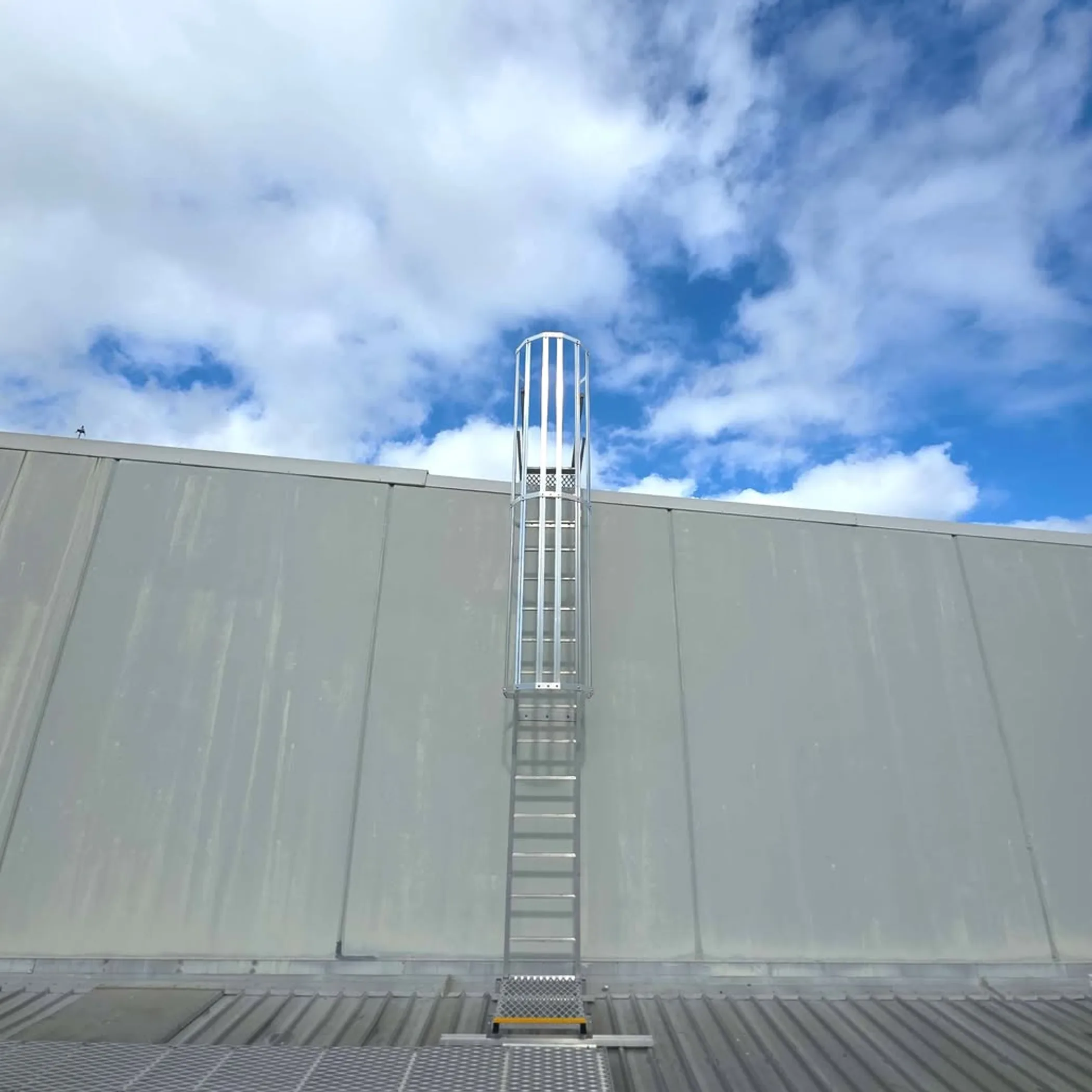
For jobs with ladders, scaffolds, roofs, elevating work platforms or fall arrest gear, the hierarchy of controls is an aid to the duty holder in selecting something more robust than individual behaviour.
Begin at the top. Is it possible to do the task from the ground, or assemble components there? Will a guarded platform or some form of barrier preclude a fall? Only after that should the plan resort to personal protective equipment or administrative measures.
Prevention As Opposed To Arrest
Fall prevention is about ensuring no one reaches the point of falling, or does so at all. One might use fixed guardrails, a compliant scaffold, covers that are secured and can take the load, or an elevating work platform set up correctly.
Fall arrest is different in that it does nothing to prevent the fall, merely to mitigate what follows. A system of this kind calls for adequate clearance, anchor points and connectors that are suited to the task, as well as a rescue plan. If a man falls into a harness he can be subject to suspension trauma; “we will get him down” is not a plan.
When you need a SWMS
Any construction work where a 2 metre fall is a possibility is high-risk and the SWMS requirements for working at heights come into play. It is incumbent on the person conducting the business to have the SWMS ready before the work is underway.
It has to be relevant to the location and the task at hand. There is no point in making off with a generic document from another site; it may well miss a live powerline, fragile roofing or a traffic route. The workers must be able to make sense of it and tell you how it bears on the job.
Safe Work Method Review
Should an incident happen, a control prove wanting or a new hazard present itself, the SWMS is to be reviewed. A supervisor would do well to verify the controls are in position and not just ticked over in a pre-start meeting.
If the work cannot be done as per the SWMS, put a halt to it and put the method right. It may be an inconvenience but it is less costly in the long run than an ambulance and an investigation and having to break bad news to a family.
Regulators and State Rules
There is no uniform set of rules for working at heights across Australia. Victoria operates under an occupational health and safety framework and Western Australia has legislation of its own, while the rest of the country for the most part abides by harmonised WHS principles. The duties are much the same but one will find differences in the codes, notification and enforcement. Check with the regulator for the workplace, particularly on a project that straddles state lines.
| Jurisdiction | Regulatory framework to check | Regulator or authority |
|---|---|---|
| New South Wales | Work Health and Safety legislation and regulations (construction SWMS) | SafeWork NSW |
| Victoria | The legislation, regulations and prevention guidance for occupational health and safety is to be found with WorkSafe Victoria. | WorkSafe Victoria |
| Queensland | WorkSafe Queensland has jurisdiction over the Work Health and Safety Act and the 2011 Regulation. | WorkSafe Queensland |
| South Australia | SafeWork SA is the authority for the 2012 Work Health and Safety Regulations and any codes of practice in point. | SafeWork SA |
| Western Australia | Under the 2020 Act and 2022 Regulations, WorkSafe Western Australia is the body to consult. | WorkSafe Western Australia |
| Australian Capital Territory, Tasmania and Northern Territory | One should refer to the state or territory WHS regulator for the local Acts, regulations and codes that are in force for the work at hand. | The applicable territory or state WHS regulator |
If a national perspective is needed, the working-at-heights guidance from Safe Work Australia is a good place to begin. After that, put it to the test against the requirements of the appropriate local regulator be it WorkSafe in Victoria or Queensland, or SafeWork in NSW and South Australia.
Equipment Training And Rescue
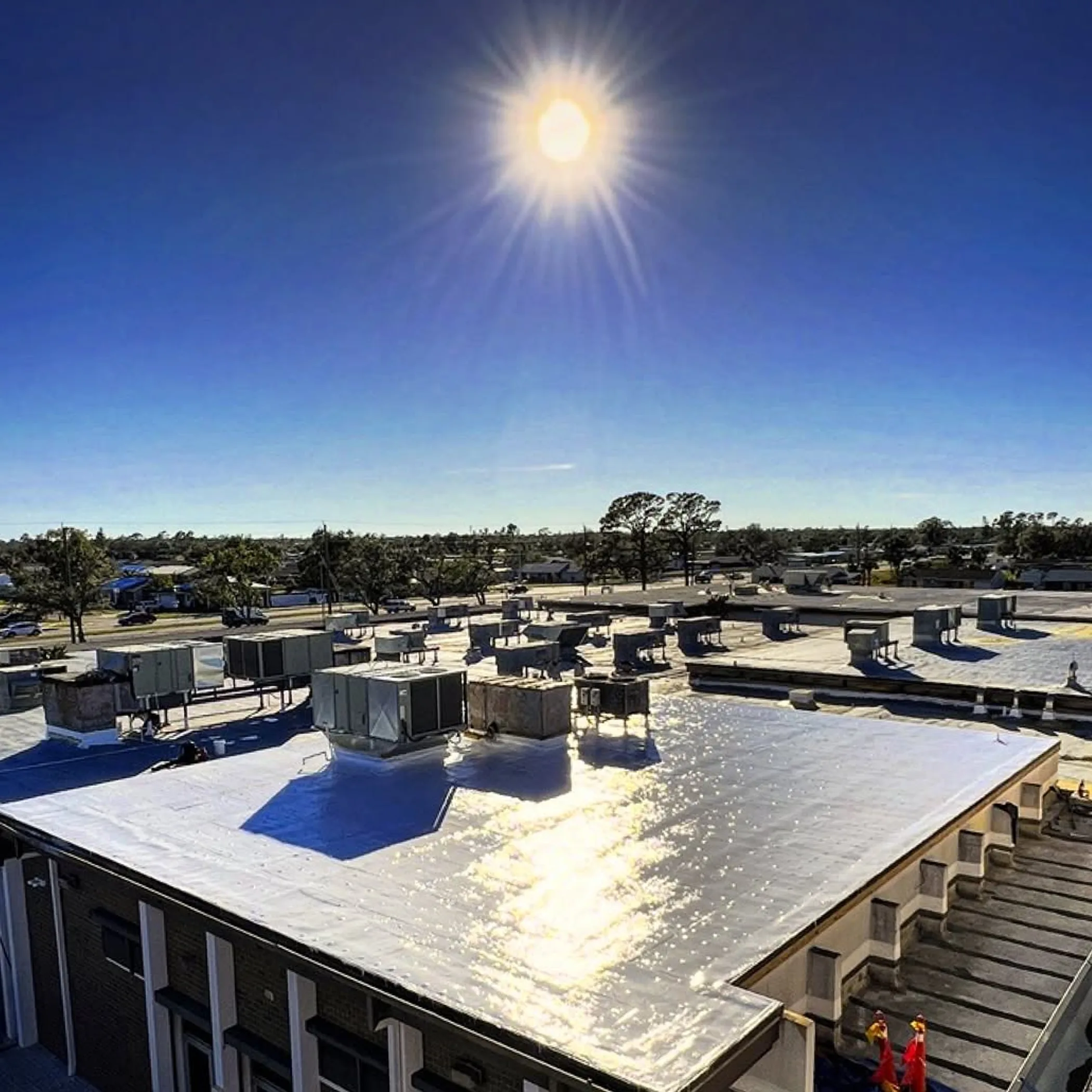
It is imperative that equipment be fit for purpose and in safe order, and that its use follows the manufacturer’s instructions. The same goes for ladders, scaffolds, elevating platforms, harnesses, lanyards, anchor points, static lines and temporary edge protection.
AS 5532 for single-point anchors and AS/NZS 1891.4 as it pertains to industrial fall-arrest systems are Australian Standards that will see you select and use your gear safely. But do not let a “compliant” label on a product make you think it is right for the site; standards are no substitute for WHS duties.
Inspection Is Not A Quick Glance
An inspection ought to turn up any fraying, cuts, corrosion, deformation, poor stitching, parts that are missing or labels you cannot read, as well as signs of an earlier fall. Should there be any doubt about fall-arrest equipment, take it out of service and have a competent person look at it. Make a record of the inspection if the standard, manufacturer or your system at the workplace calls for it.
Training needs to be commensurate with the job and the equipment. There are risks of swing-fall and issues of clearance and connection a worker with a harness must be versed in. New and labour hire workers or those who do not know the site will require more by way of training and oversight.
Where IRATA Fits In
For the specialist rope access work where technicians employ rope systems and structured rescue, IRATA standards are what apply. While IRATA certification can give a technician valuable competence, it is not a free pass on every site-specific or Australian workplace duty.
A PCBU has to do the legwork: assess the task and method, inspect the anchors and equipment, deal with other hazards on site and abide by the law of the state or territory. Rope access is a form of control, not a means to circumvent planning.
Common Mistakes To Avoid
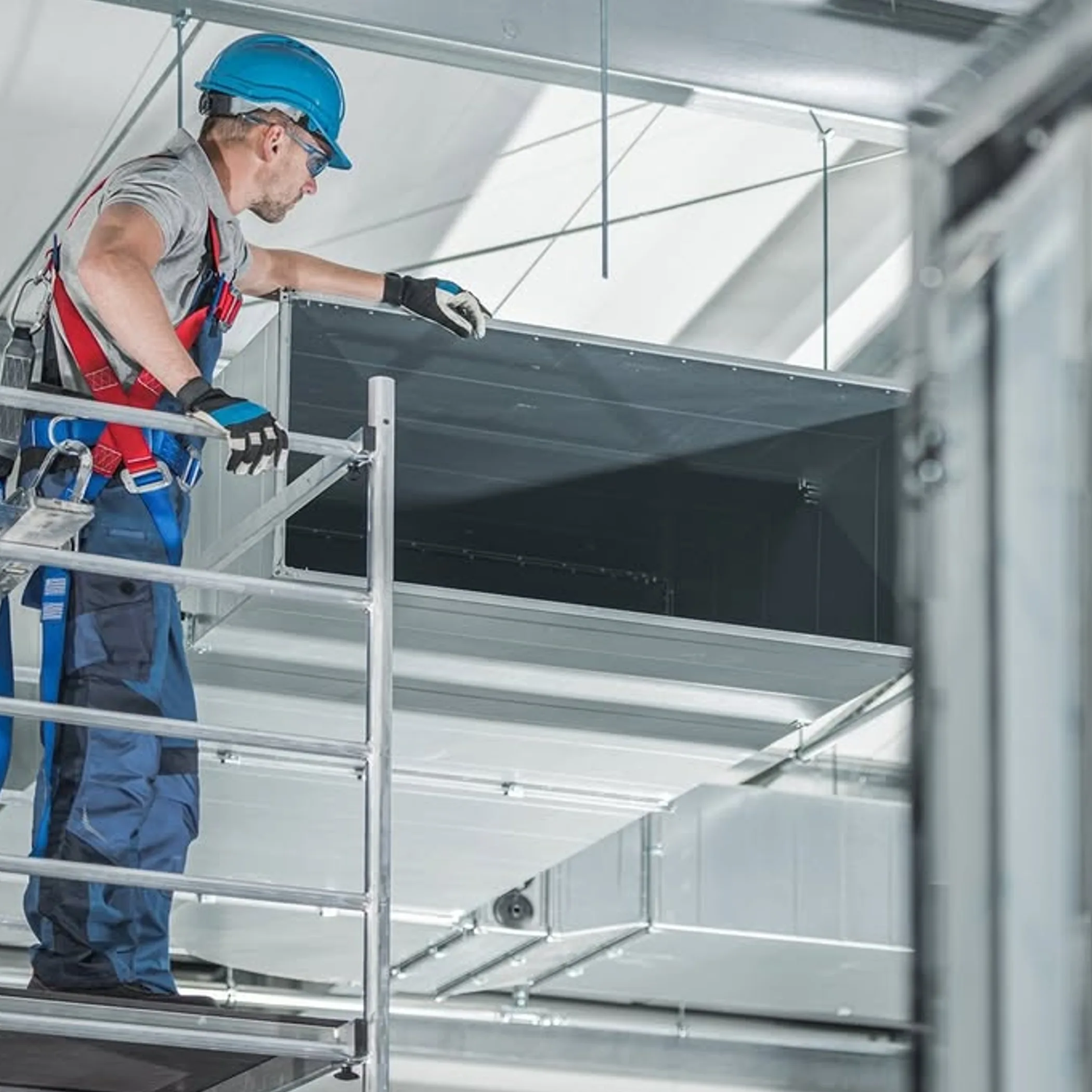
Take the 2 metre rule for instance, most will make the error of seeing it as a hard and fast line between what is and is not safe. The law looks at risk; a shorter drop on to concrete or near some sharp machinery can be catastrophic.
Then there is the tendency to go for fall arrest when prevention has not been thought through. A harness is reassuring but if the anchor is wanting or the clearance is not there and there is no one to put in a rescue, it is a risk.
Do not discount the season either. Up north a cyclone or wet season storm will put outdoor access and roofs off limits. Down south the wind and frost can alter the risk in a hurry on a wet surface. Plan on the conditions as they are, not yesterday’s forecast.
Frequently Asked Questions
What Are The Key Changes For 2026?
You would be best to put it to your current state or territory regulator since the law and guidance are subject to change. At its core the 2026 approach to compliance is still based on risk: put in place the hierarchy of controls for fall hazards, discharge your SWMS duties on high-risk construction and see that your people are trained and supervised.
What Standards Apply In Australia?
That will depend on the task and the equipment. You may find AS 5532 and AS/NZS 1891.4 to be of relevance for anchor devices and fall-arrest systems respectively, but they are to be taken with the present day WHS or OH&S requirements.
What Is The Maximum Safe Height?
There is none. Even under 2 metres there can be a risk of falling, though that figure is of note for SWMS obligations and high-risk construction work.
What Are South Australia’s Requirements?
Employers in South Australia must have in place suitable systems of work and ensure their workers are properly instructed and supervised to manage foreseeable fall risks. The 2012 Work Health and Safety Regulations and any current guidance from SafeWork SA should be consulted.
Does A Harness Make The Job Compliant?
Not in itself. It is merely one element of the system. One also has to account for the rescue plan, the anchor, compatibility of the equipment, training and so on. If a guardrail will do to prevent the fall, that is preferable.
Make The Safer Choice
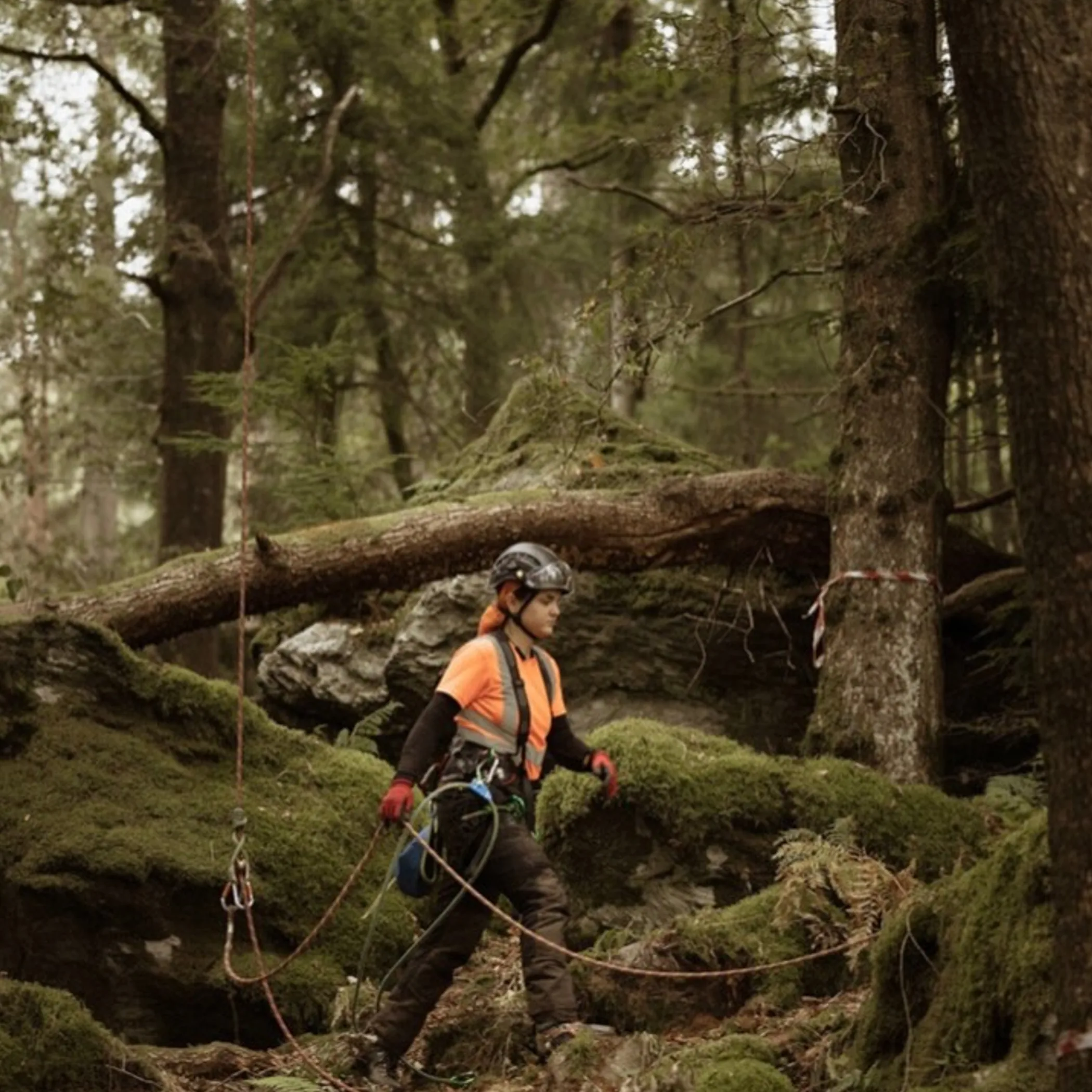
The 2026 regulations for working at heights in Australia are not so hard to come to terms with if height is seen as something to be planned for and not an afterthought in terms of equipment. Get down to ground level and remove the risk of a fall, have the workers who know the job do it.
As for employers, make sure the risk assessment, the SWMS, the records and your rescue arrangements are up to date. Workers will find the advice is straightforward: if the controls are not there or do not seem right, say something before you put yourself up there. It is not being difficult, it is how you get home for dinner.